
Last updated November 25, 2026
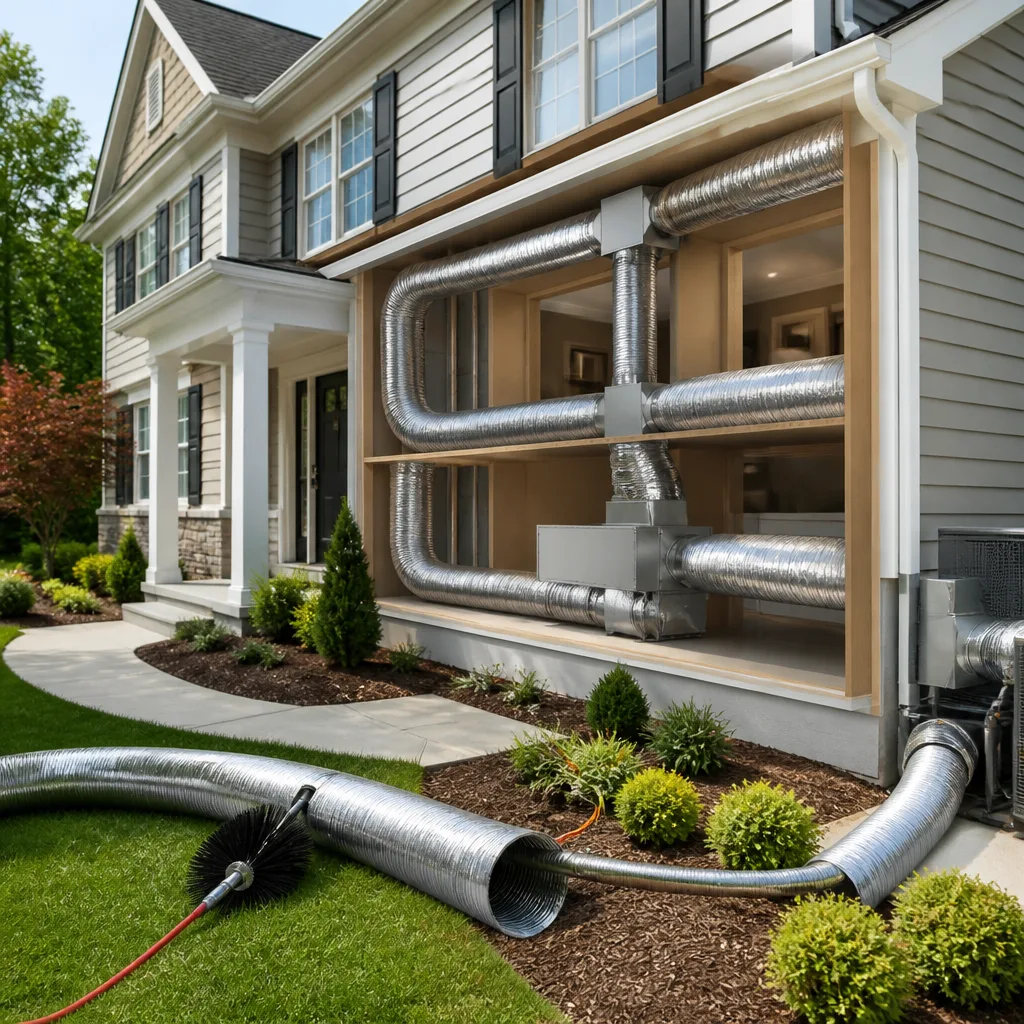 Whole-home duct cleaning
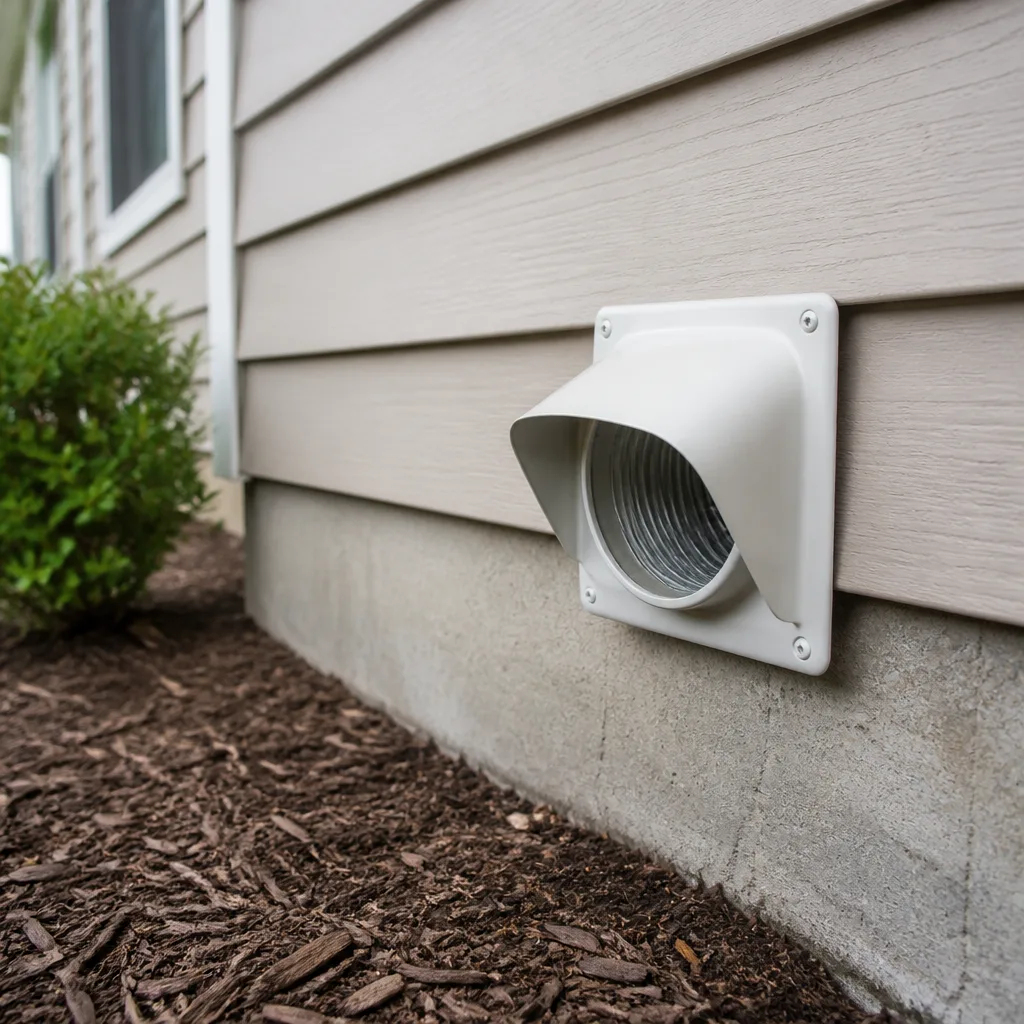 Dryer vent cleaning
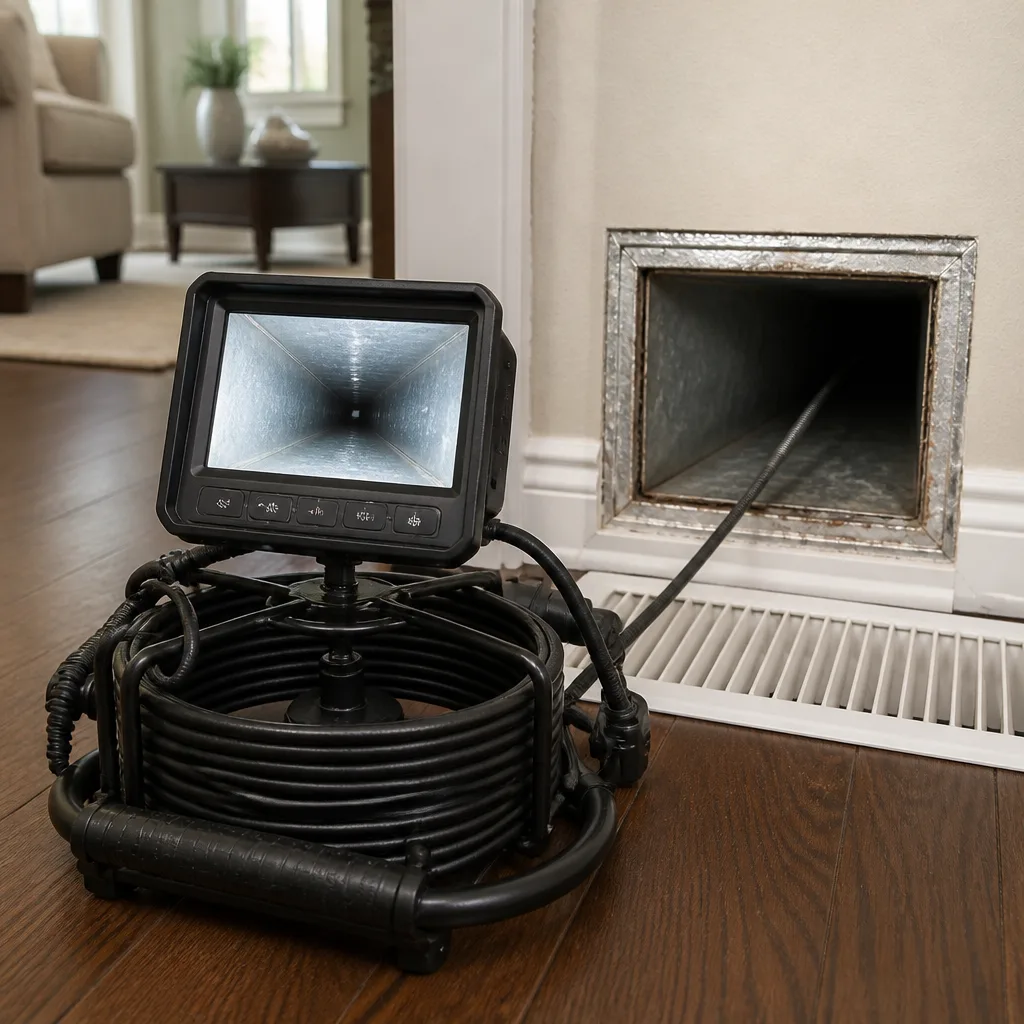 Camera inspection
 Sanitizing & deodorizing
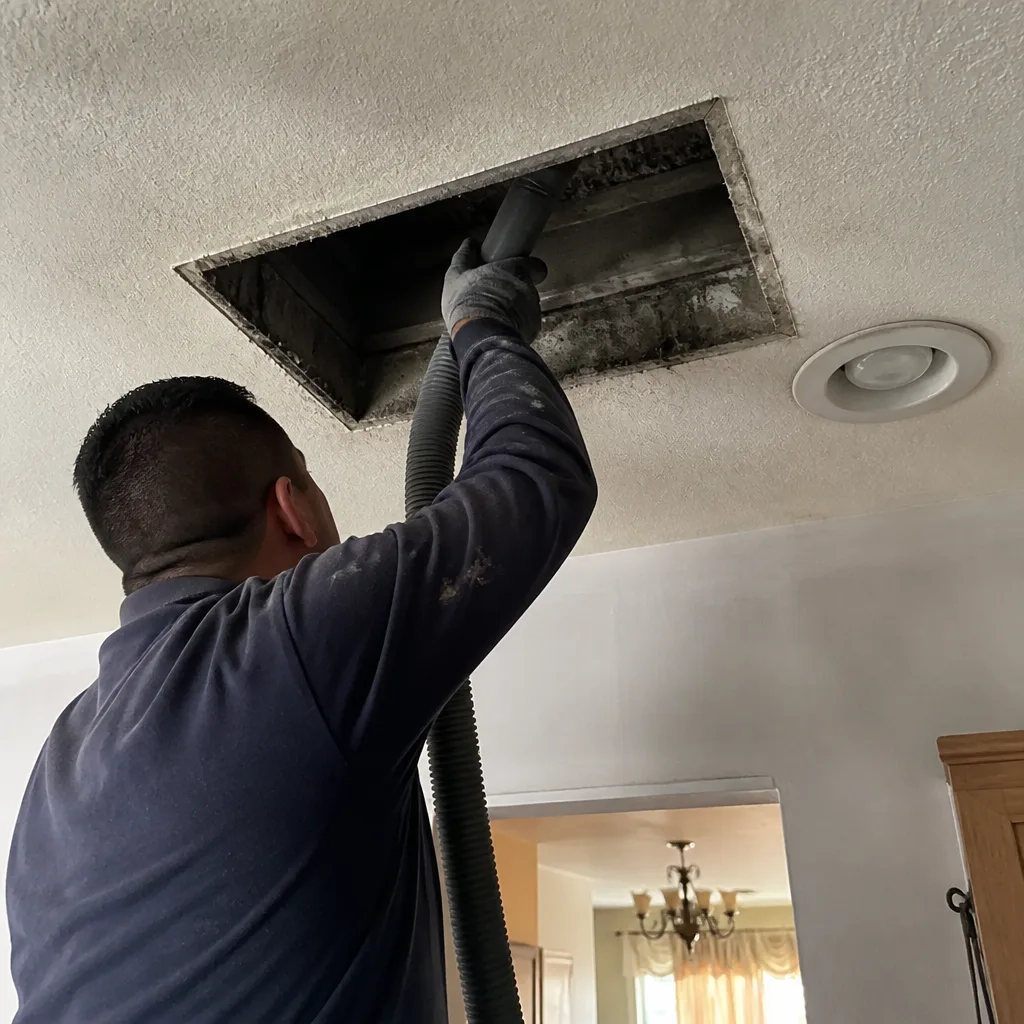
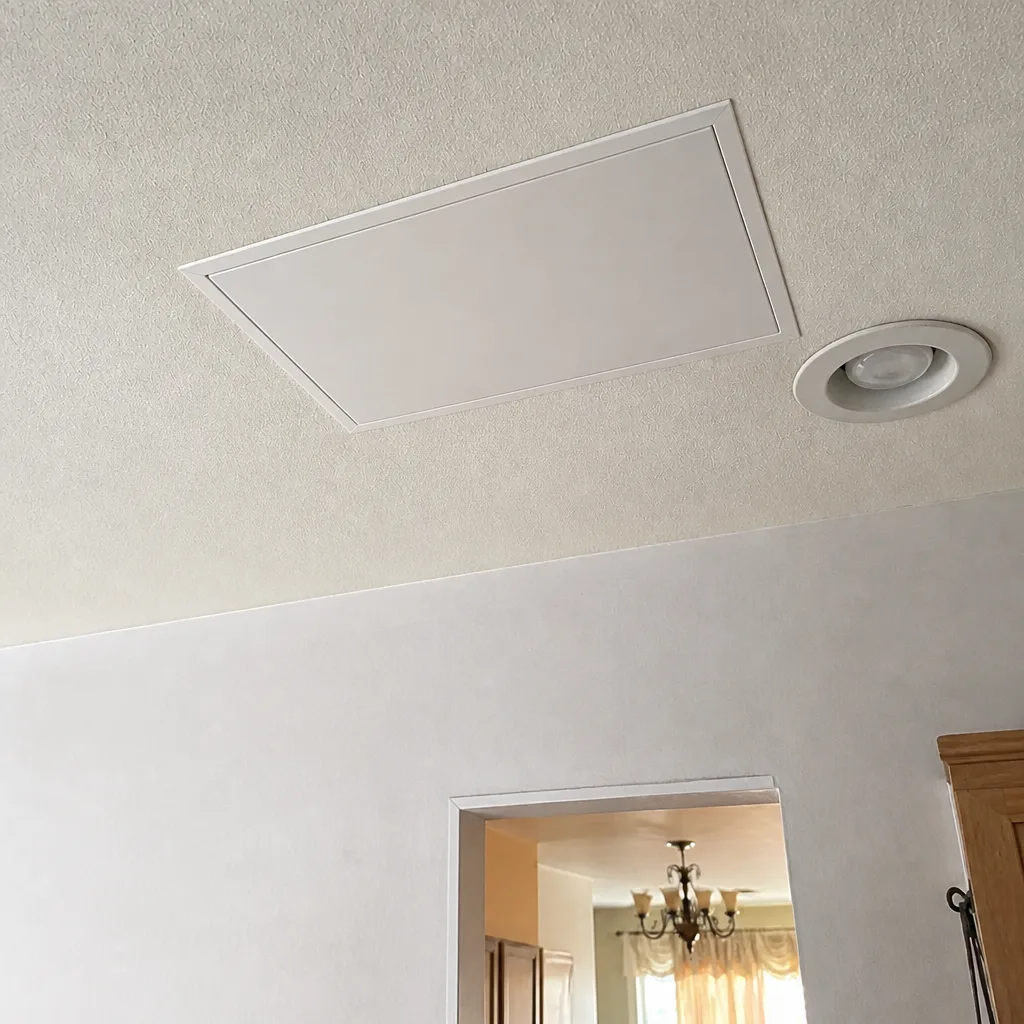
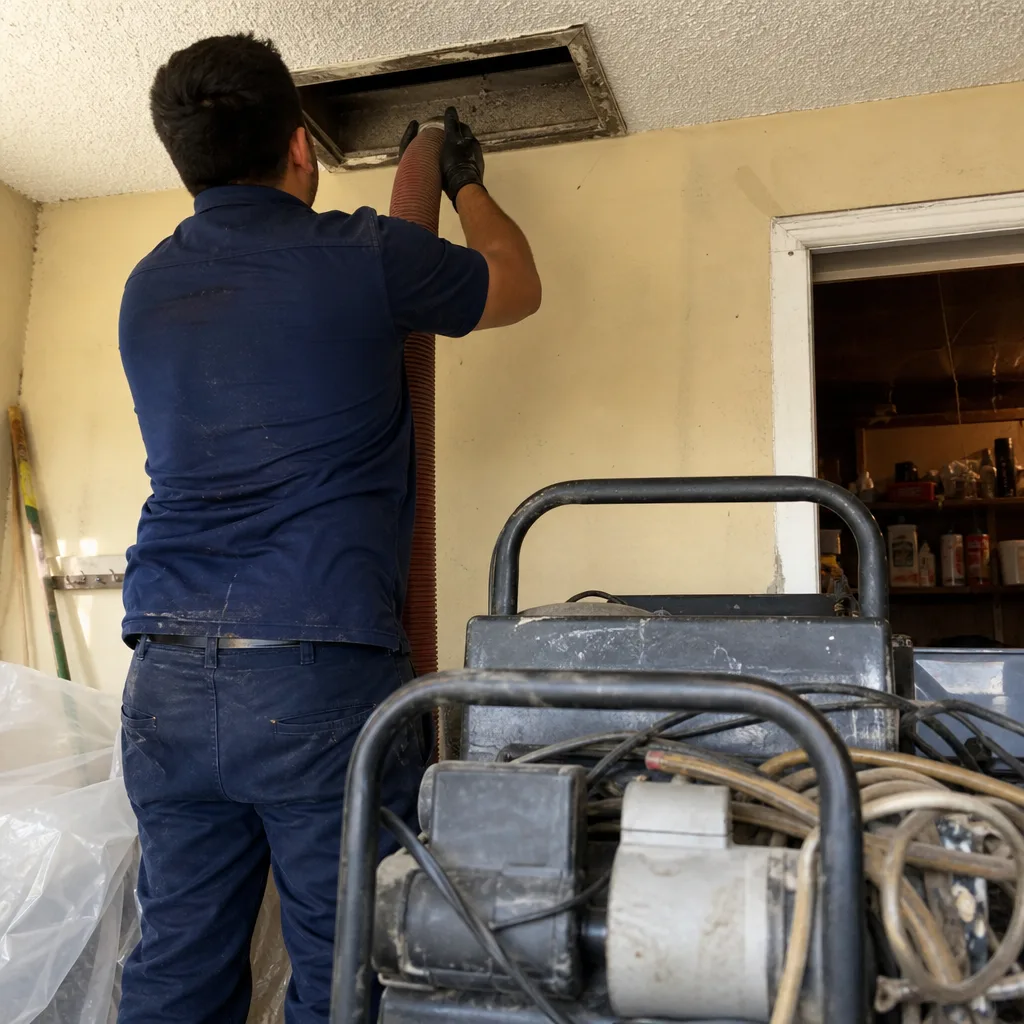
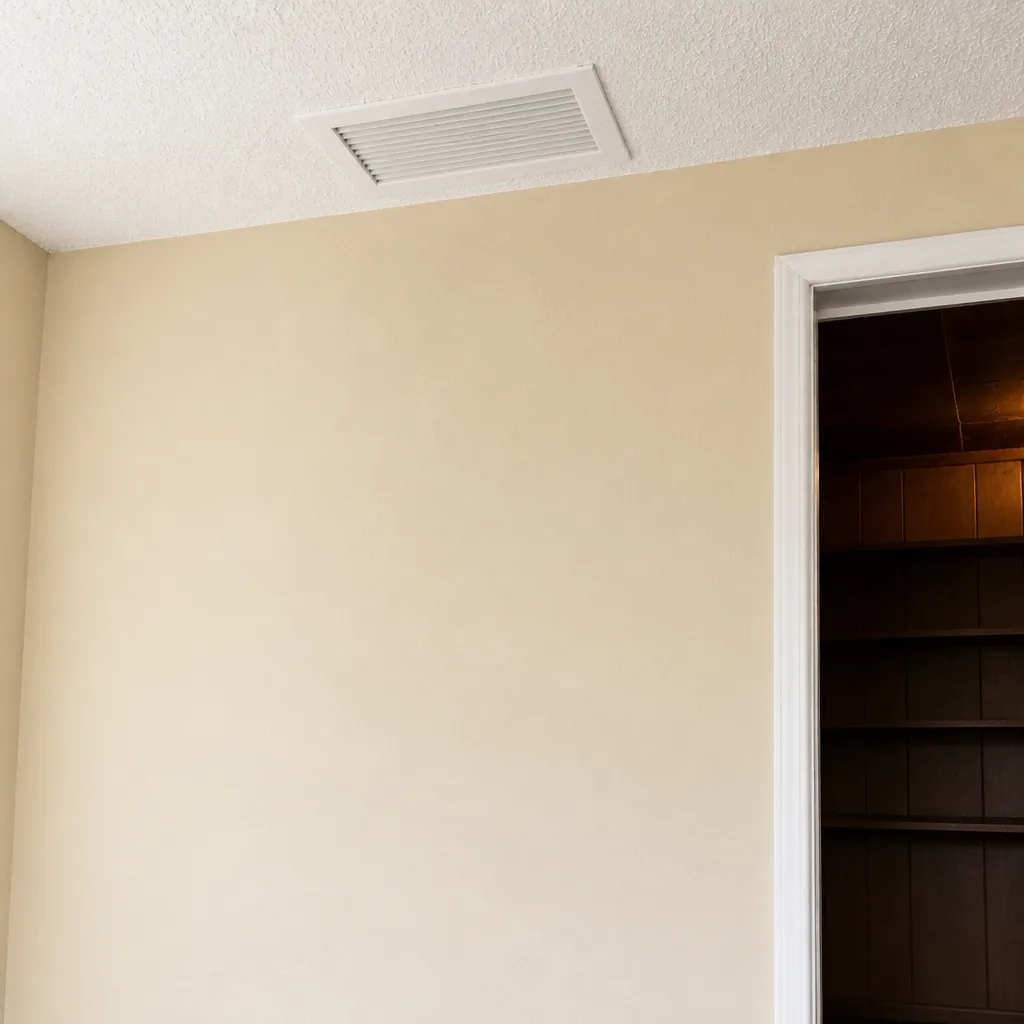
Whole-system duct and dryer vent check with before-and-after photos - you see exactly what came out of your vents
That "$99 whole-house special" is a bait ad - the real number appears once they are in your hallway, or the "clean" is a shop-vac at the register. We photograph the inside of your ducts before and after instead.
Choosing the Right Air Duct Cleaning Brand: A Buyer’s Guide for Fullerton
The brand name on the truck tells you almost nothing about the job you’re going to get. Two companies can both advertise “professional-grade equipment” and then show up with wildly different machines – one a truck-mounted vacuum pulling serious airflow, the other a portable unit that fits in a hatchback. We’ve watched Fullerton homeowners choose on marketing and regret it on results, and we’ve watched them choose on equipment class and a written scope and get exactly what they paid for. This guide is about telling those two situations apart before anyone knocks on your door. You’ll learn how to read equipment specs, what certifications actually certify, how to spot a real review, and why a written scope of work is the single most reliable signal of a company worth hiring.
Quick Answer
The right air duct cleaning brand in Fullerton is the one that uses a truck-mounted or high-CFM portable vacuum with real containment, employs NADCA-certified technicians, and hands you a written scope of work before any tool comes off the truck. Brand recognition matters far less than equipment class, certification, and a documented scope. If a company can’t show you all three, the marketing on their website is doing work their service won’t.
Styles & brands we work with
- Whole-home duct cleaning
- Dryer vent cleaning
- Camera inspection
- Sanitizing & deodorizing
Table of Contents
- Why equipment class beats brand name every time
- Truck-mounted vs. portable units: what actually matters in a Fullerton home
- What NADCA certification covers, and what it doesn’t
- How to read duct cleaning reviews like a skeptic
- National franchise vs. local specialist: the real trade-offs
- The written scope of work: the one thing that disqualifies a company
- Questions to ask before you book anyone
- Common mistakes to avoid
Why Equipment Class Beats Brand Name Every Time
A recognizable national name on the side of a van is not a technical specification. What determines whether your ducts actually get clean is the volume of air the machine can move, whether it can maintain negative pressure on the whole system, and whether the technician has the containment to keep what comes loose from going back into your living space. Those are engineering facts, not brand facts.
When you compare companies, look for three concrete things on the equipment side:
- Suction capability. Truck-mounted units and high-CFM commercial portables pull far more air than a shop vac or a consumer attachment. That airflow is what lifts settled debris out of long horizontal runs, not just the register you can reach.
- Containment. A real setup seals the system at the register or the plenum and keeps the vacuum side isolated, so dislodged dust travels to the collection unit instead of drifting into the room.
- Agitation tools. Rotary brushes, whips, and compressed-air tools do the loosening. The vacuum only removes what has already been broken free.
This is why we run Rotobrush and Nikro commercial-grade systems rather than consumer-grade attachments, and we keep Abatement Technologies equipment on hand for jobs that involve fine particulate or contamination concerns. The tool set changes what’s possible on a given day. A crew that shows up with the right machine can clean a system that a lesser setup would only skim.
Truck-Mounted vs. Portable Units: What Actually Matters in a Fullerton Home
Fullerton’s housing stock is a mix – older single-family homes near the downtown core, mid-century builds toward the edges, and a lot of 1,800 to 2,400 square foot houses with long duct runs and multiple returns. In a home that size, the length of the ductwork is the variable that exposes the difference between equipment classes. A 2,200 square foot Fullerton home with a central system can easily have 150 feet or more of supply trunk and branch runs. A portable unit with modest airflow struggles to hold suction at the far end of that.
Truck-mounted vacuums solve for distance because the vacuum source sits outside the house and connects through a hose at the main trunk. The suction stays strong through the whole run. High-end portables can do a credible job in smaller or simpler systems, and there’s nothing wrong with a well-run portable setup on a compact single-story home. The problem is when a portable unit gets marketed as equivalent to truck-mounted capability across the board.
Here’s a quick comparison to keep in mind:
- Truck-mounted vacuum: Highest suction, best for long runs and larger Fullerton homes, hose connects at the trunk or plenum.
- High-CFM commercial portable: Good suction for compact systems and tight-access situations, needs careful containment setup, can require more time.
- Consumer or shop-grade attachments: Not duct cleaning equipment. Useful for a register you can reach, nothing beyond that.
Ask directly which class of equipment a company plans to bring. A company that answers clearly and specifically is a company that has thought about your system’s layout. A company that answers vaguely is telling you something too.
What NADCA Certification Covers, and What It Doesn’t
NADCA – the National Air Duct Cleaners Association – publishes the industry’s source-removal standard and offers individual certification for technicians who complete its training and exam. NADCA certification tells you a technician has been trained on assessment, source removal, and the standard of care the industry recognizes. That’s meaningful. It’s also not the whole picture.
What NADCA certification does indicate:
- The technician has studied source-removal methods rather than surface cleaning.
- They’ve been exposed to industry standards for containment and inspection.
- They understand the difference between cleaning a system and fogging it with a product.
What it doesn’t cover on its own:
- Mold-adjacent work. If a technician finds microbial growth inside a duct or on a coil, that’s a different discipline. IICRC certification in mold remediation is a credential worth asking about when contamination is on the table. Abatement Technologies equipment supports that kind of work, but equipment alone isn’t the credential.
- Indoor air quality assessment. ACAC – the American Council for Accredited Certification – offers credentials in indoor air quality that go beyond duct cleaning itself.
- HVAC mechanical work. Duct repair, sealing, and coil work fall under different skill sets. Ask whether the company handles those in-house or refers them out.
For a Fullerton homeowner, the practical takeaway is this: NADCA certification is a baseline to look for, and additional credentials matter when your situation involves more than routine dust. Allergies, musty odors, recent renovation debris, or an aging HVAC system are all reasons to ask about the deeper credentials. For the routine case, we recommend starting with air duct cleaning and asking about certification when you book.
How to Read Duct Cleaning Reviews Like a Skeptic
Reviews are useful if you read them for texture instead of star count. A five-star review that says “great service, very professional” tells you almost nothing. A review that mentions a specific number of registers, a specific problem the technician found, or a specific conversation about the scope tells you a real job happened.
Here’s what to look for in a review that signals a genuine duct cleaning experience:
- Specificity about the scope. The reviewer names what was cleaned – supply and return, main trunk, number of vents – or describes the written estimate they received.
- Before-and-after detail. A reviewer who mentions seeing photos of their own ducts or the debris collected had a technician who documented the work.
- A real problem that got solved. A musty smell that went away, dust on a return that stopped, a dryer vent that turned out to be blocked. Those are the stories a competent technician creates.
- Honest mentions of what wasn’t done. A reviewer who says “they told me one section didn’t need cleaning” is describing a technician who assessed rather than upsold.
Red flags in reviews work the same way, inverted. Reviews that all use the same phrasing, mention only the price and the promptness, or never reference the work itself are worth less than they appear. In Fullerton, a city where word-of-mouth still carries real weight, a referral from a neighbor who can describe the job in detail beats a pile of generic five-star ratings. When you’re checking a company’s reputation, also look at whether the reviews mention who actually did the work – continuity of technicians matters and we cover that next.
National Franchise vs. Local Specialist: The Real Trade-Offs
There’s no universal answer here, but there are genuine trade-offs worth understanding. A national franchise brings a recognizable name and a standardized process. A local specialist brings accountability that runs closer to the ground – the person who owns the outcome is more likely to be reachable, and the equipment tends to be owned rather than shared or rotated.
What matters more than franchise or independent, though, is the specific operator behind the brand. Ask:
- Who owns the equipment? A company that owns its truck-mounted vacuum and its agitation tools has invested in the capability. A company that rents equipment per job may be using whatever is available that week.
- Is the technician consistent? Duct cleaning rewards familiarity with local housing stock. A technician who has cleaned hundreds of Fullerton systems knows the common duct layouts in the area and can spot a problem quickly.
- Where does accountability land? A franchisee is accountable to a corporate parent and a local customer. A local specialist is accountable to the customer alone. Neither is inherently better, but the difference shows up when something goes wrong.
One thing to watch for on the franchise side is the standardization that becomes a script. If the estimate doesn’t change based on what the technician actually finds, the process is being applied rather than tailored. Our technicians have up to 14 years of experience, and that experience shows up in noticing what a system actually needs.
The Written Scope of Work: The One Thing That Disqualifies a Company
If there is one signal that separates a serious operator from a marketing operation, it’s the written scope of work. Before any work begins, you should receive a document that specifies what will be cleaned, what tools will be used, how containment will be handled, and what the flat price per system is. In our experience, the absence of that document is the most reliable predictor of a bait-and-switch outcome.
A proper written scope should include:
- The systems covered. Which HVAC system or systems, how many supply and return registers, and whether the main trunk and plenum are included.
- The equipment class. Truck-mounted or portable, and which agitation tools will be used.
- Containment method. How the system will be sealed during cleaning so debris travels to the collection unit.
- What’s excluded. A scope that says what won’t be done is more trustworthy than one that implies everything is included.
- One flat price per system. Agreed before work starts, with no per-vent pricing that grows as the technician counts.
- The inspection result. What the technician found and, if repairs or sealing are needed, what they cost.
That last item is where the full-spectrum model matters. When a technician inspects a Fullerton system and finds damaged flex duct, a loose connection, or a section that needs sealing, a company that only cleans has to hand you off to a second contractor. A company that cleans, repairs, seals, and sanitizes can address it on the same visit. What we find, we can fix – that’s not a slogan, it’s the difference between a scope that ends at cleaning and one that follows through.
Ask for the written scope before you book. If a company can’t or won’t provide one, that’s your answer, regardless of how good the website looks.
Questions to Ask Before You Book Anyone
Here’s a short list to run through on the phone. The answers will tell you more in five minutes than a page of marketing copy will tell you in an hour.
- What class of equipment are you bringing? Truck-mounted or portable, and what CFM rating will the vacuum pull at the trunk.
- Are your technicians NADCA-certified? And if contamination is a concern, do you have IICRC or ACAC credentials involved.
- Will I get a written scope of work before you start? If the answer isn’t yes, end the call.
- Do you handle duct repair and sealing yourself? Or will I need a second contractor for anything the inspection turns up.
- How do you document the work? Before-and-after photos of your own ducts, not a handful of stock photos.
- Is the price flat per system or per vent? Flat per system means you know the total before anyone starts.
These questions connect to the broader categories of work a full-service provider handles. If you’re also thinking about the air handler itself, HVAC cleaning is a separate but related service. And if your dryer has been running hot or taking two cycles to dry a load, dryer vent cleaning is worth scheduling in the same visit if the scope allows. For a fuller picture of who we are, the team at Fullerton Air Duct Cleaning Co lays out the five service categories we offer.
Common Mistakes to Avoid
- Choosing on a coupon price. A teaser number that balloons once the technician is on site is the most common bait-and-switch in this trade. Ask for a flat per-system price in writing instead, and treat “we’ll figure it out when we’re there” as a warning.
- Believing “professional-grade equipment” without asking what it means. Every company says it. Ask whether that’s truck-mounted or portable, and what the CFM rating is. A vague answer is a red flag regardless of the brand name on the truck.
- Skipping the written scope. If a company won’t document what they’ll clean, how much it costs, and what’s excluded before starting, they’ve disqualified themselves. No exceptions.
- Assuming the cleaning is the end of the job. If a technician finds damaged flex duct or a loose connection in your Fullerton home, you want a company that can repair and seal it, not one that cleans and refers you elsewhere.
- Reading only the star count on reviews. A review that names the scope, the equipment, or a specific problem solved tells you a real job happened. A review that says only “great service” tells you the marketing was good.
- Assuming a national name guarantees better work. A well-run local operator with a truck-mounted vacuum, NADCA-certified technicians, and a written scope will outperform a franchise running a portable unit on a bigger system. Equipment class and process beat brand recognition.
- Not asking what products get used. Post-cleaning improvements like filtration and humidity control come down to the products – Honeywell and Aprilaire are the names worth recognizing here, and Guardsman-grade cleaning products matter for the surfaces you’ll live next to.
See the difference
 Before
 After
 Before
 After
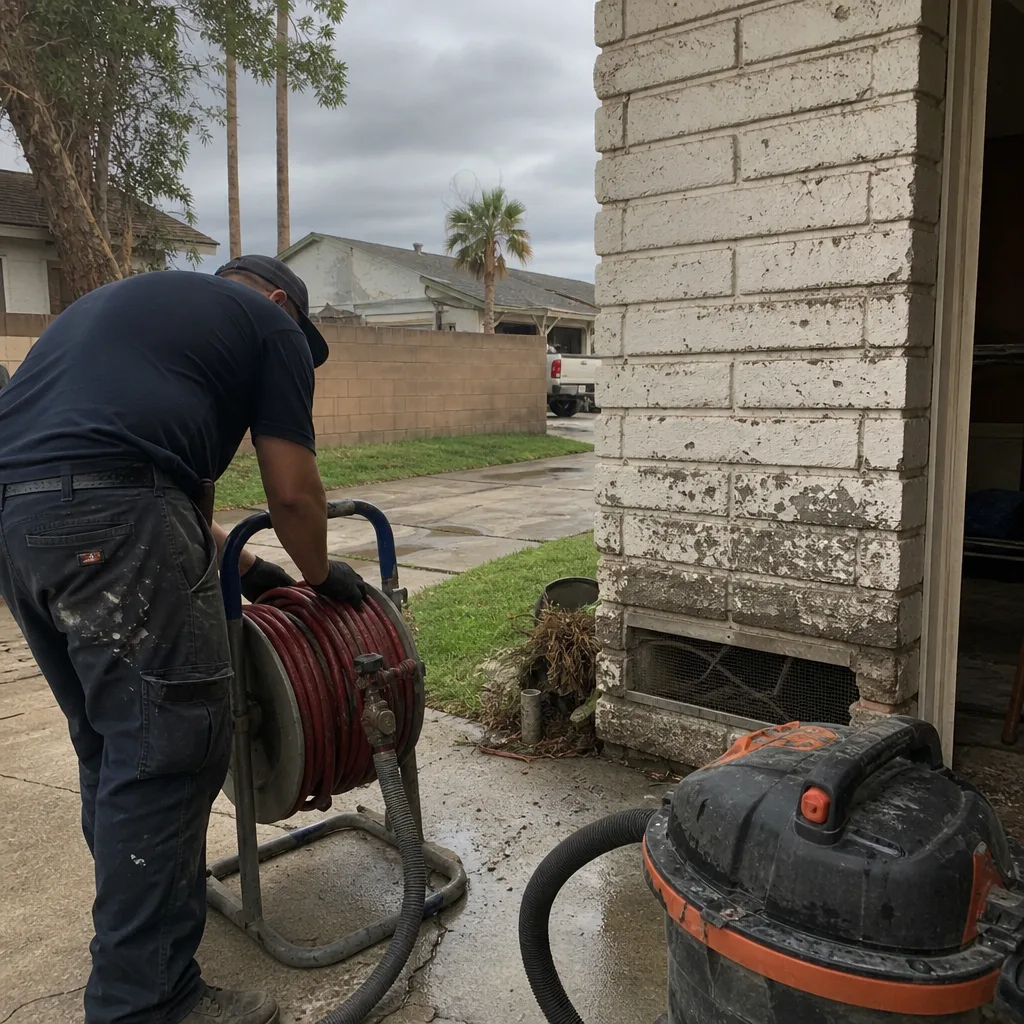 Before
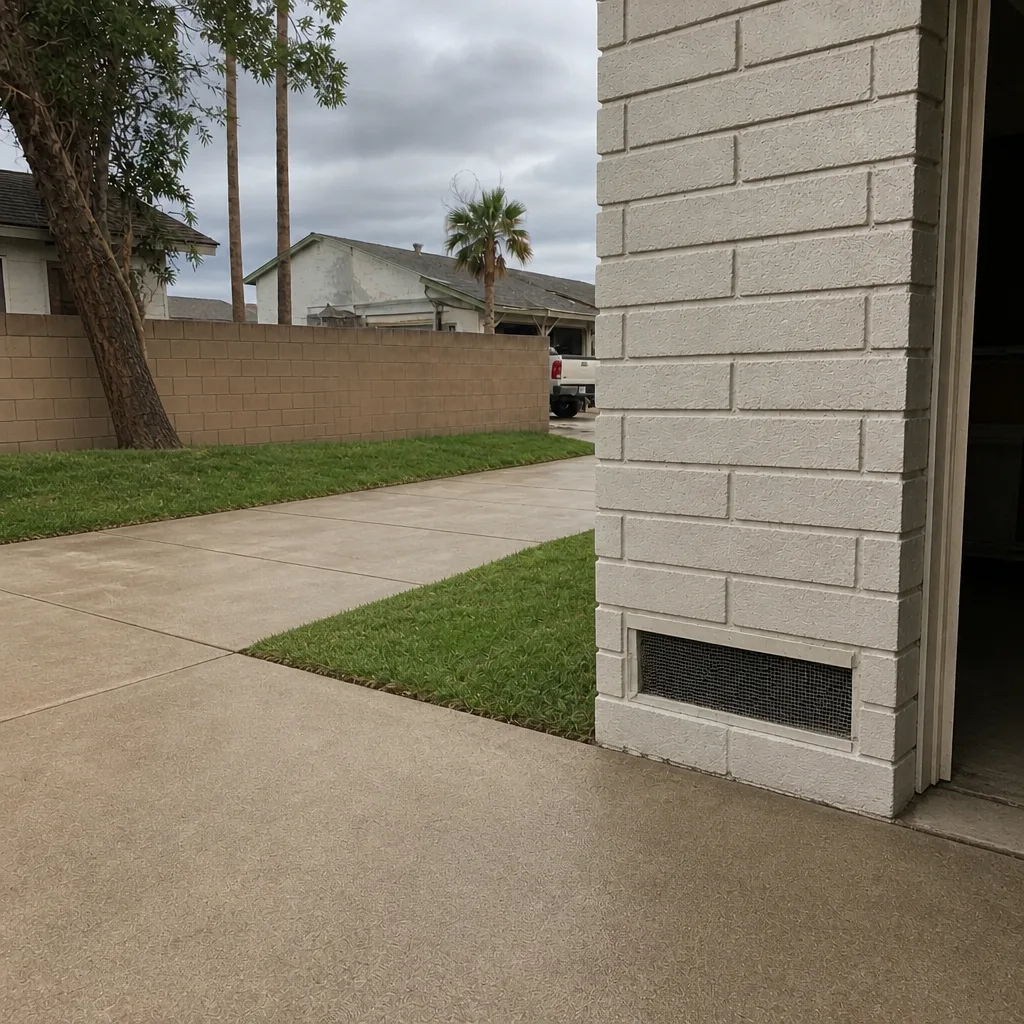 After
When to Call a Professional
Not every duct system needs service on a schedule. But there are specific situations where the work is overdue and worth scheduling. Recent renovation debris – drywall dust, sawdust, paint flecks – gets pulled into the return system and recirculated through the house for months if it isn’t cleaned out. Musty odors when the system first comes on in the morning often point to a source issue rather than a filter problem. Visible dust on return registers, dust settling on surfaces within days of cleaning, and allergy symptoms that get worse when the HVAC is running are all signals to have the system inspected. An aging HVAC system that’s been through multiple filter failures is another one. So is a dryer that takes two cycles to dry a load – blockage inside the vent is common and worth addressing. Fullerton Air Duct Cleaning Co offers free estimates in Fullerton. Call (877) 792-5884. We answer 24/7. Fast dispatch from 7am to 7pm, Sunday through Friday.
Frequently Asked Questions
Air duct cleaning in Fullerton is priced per job by the written estimate, and the estimate is free. The final price reflects the size of your system, the number of registers, the equipment class, and any repair or sealing work the inspection turns up. Call (877) 792-5884 for an exact quote – estimates are free.
Because they’re quoting different work. A cheap quote is usually a portable unit with surface-level cleaning and a per-vent or per-system price that grows with what the technician “finds” on site. A quote from a company running truck-mounted equipment with a written scope covers the actual scope of work. Ask each company what equipment they’ll bring and whether you’ll get a written scope, then compare like for like. Call (877) 792-5884 for a written estimate.
You should see before-and-after photos of your own ducts, not stock images. A technician who documents the job will show you what came out of the system and what it looks like after. Ask during booking whether photos are included. Call (877) 792-5884 to ask about the process – estimates are free.
Most homes go several years between cleanings, and the right interval depends on filter maintenance, pets, allergies, renovations, and whether the system has had any moisture issues. A home with good filtration and no recent work can stretch longer. A home near Fullerton’s downtown core with an older system and a renovation history may need it sooner. Call (877) 792-5884 – the estimate visit will tell you what the system actually needs.
Yes, it’s a baseline. NADCA certification means a technician has been trained on the industry’s source-removal standard, which is different from surface cleaning. For jobs involving suspected mold or fine particulate, ask about IICRC and ACAC credentials as well. Call (877) 792-5884 to talk through your situation.
Yes – duct repair and sealing are offered in-house, so damage found during the inspection can be addressed on the same visit rather than referred to a second contractor. Post-cleaning improvements like filtration and humidity control can also be discussed when the system is assessed. Call (877) 792-5884 for an estimate.
We run Rotobrush and Nikro commercial-grade systems, Abatement Technologies equipment for contamination and fine-particulate work, and Guardsman-grade cleaning products. For post-cleaning air quality improvements, we work with Honeywell and Aprilaire products. The right tools change what’s possible on a given system. Call (877) 792-5884 with questions about your home.
The Bottom Line
The brand on the truck is not the signal. The signal is the equipment class, whether the technicians are NADCA-certified, and whether you get a written scope of work before anyone starts. A local Fullerton operator with a truck-mounted vacuum and a documented price will beat a national name running a portable unit on a bigger system every time. Ask the questions in this guide before you book. If a company can’t answer them clearly, they’ve told you what you need to know. The right company is the one that shows you the work in writing before it starts, and can fix what it finds once it’s there.
If you’re ready to compare, get in touch. Call (877) 792-5884 for a free estimate. We answer 24/7. Fast dispatch from 7am to 7pm, Sunday through Friday. We’ll walk through what your system needs, put a flat per-system price in writing, and show you before-and-after photos when the work is done.
Written by the team at Fullerton Air Duct Cleaning Co.