
Last updated November 25, 2026
 Whole-home duct cleaning
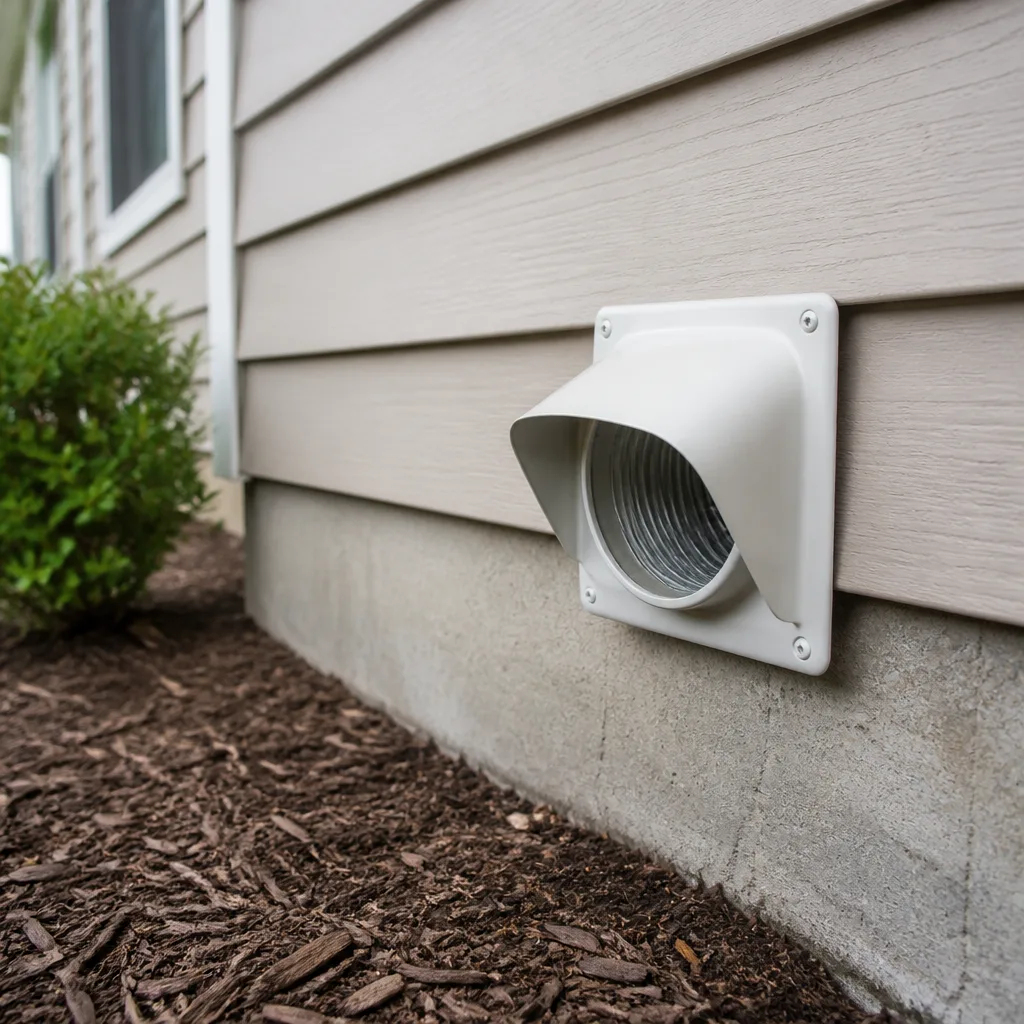 Dryer vent cleaning
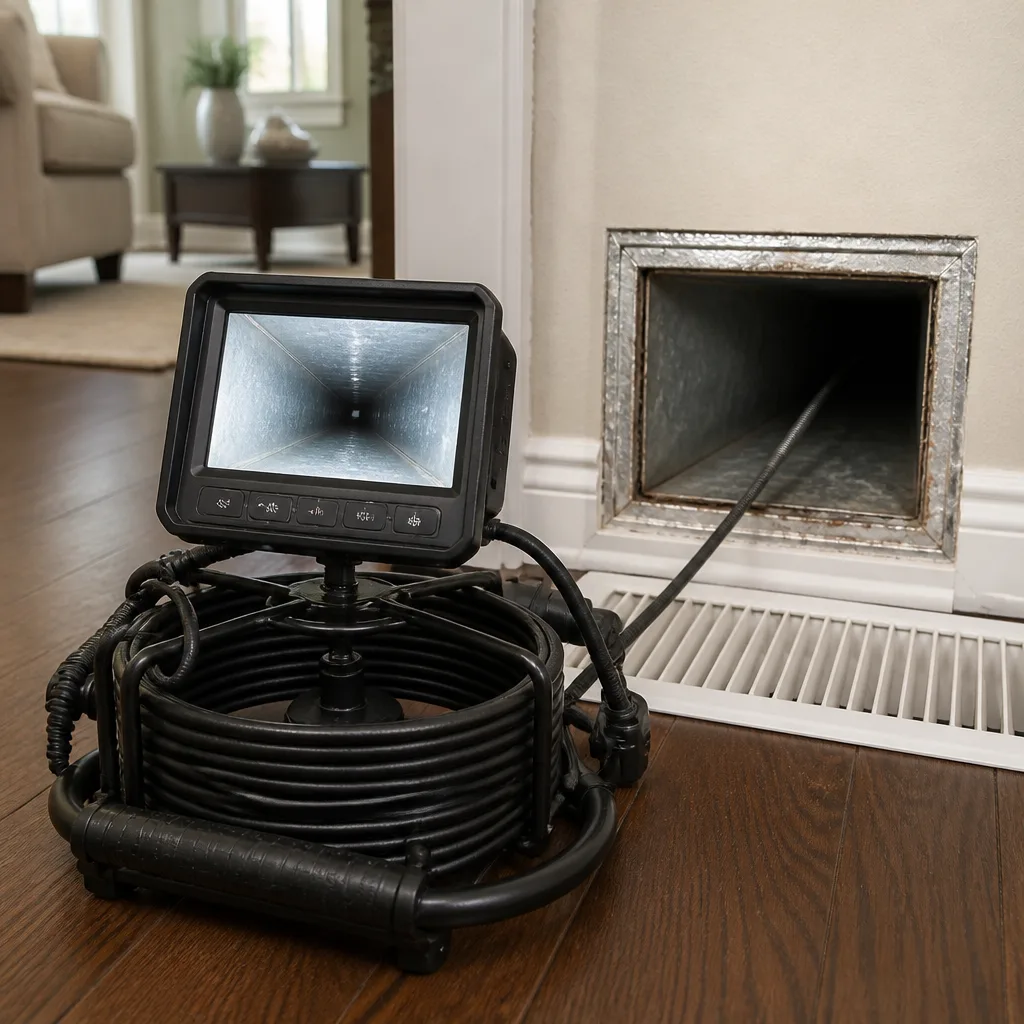 Camera inspection
 Sanitizing & deodorizing
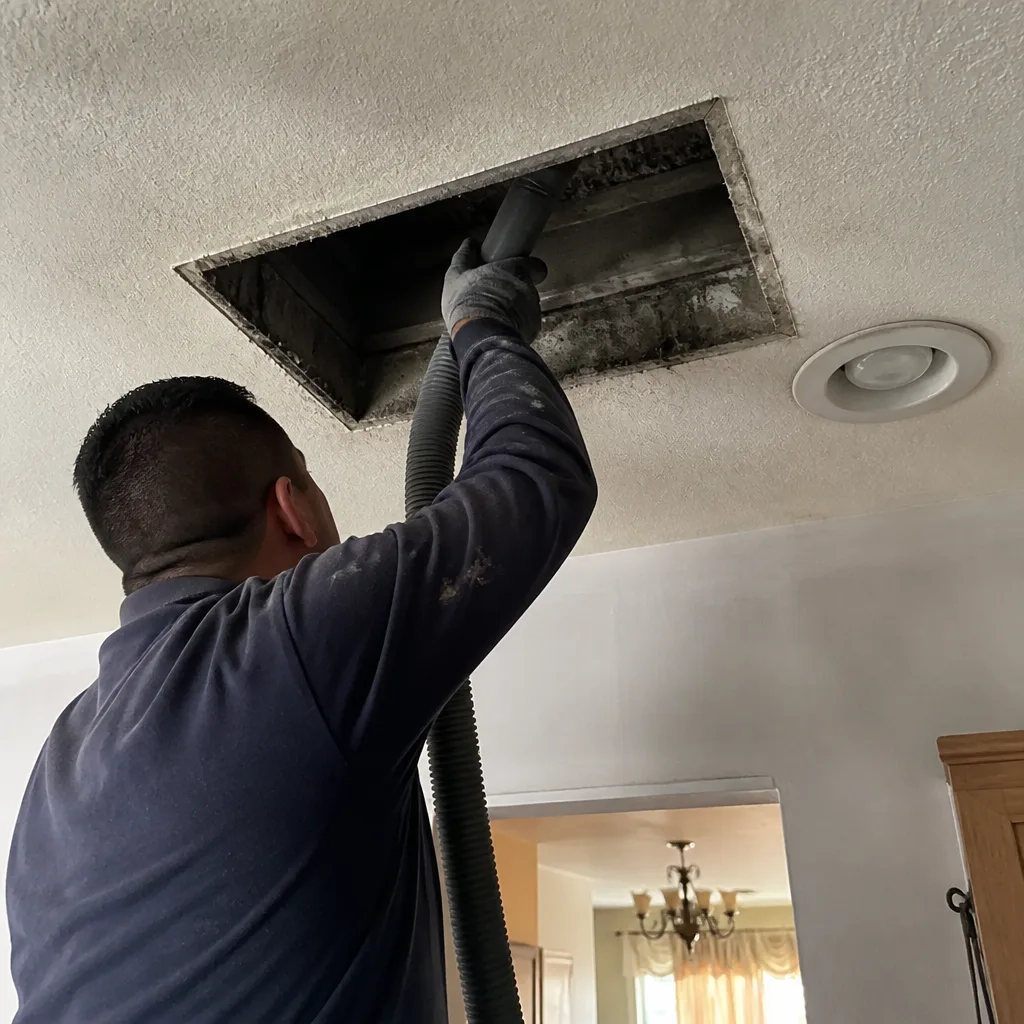
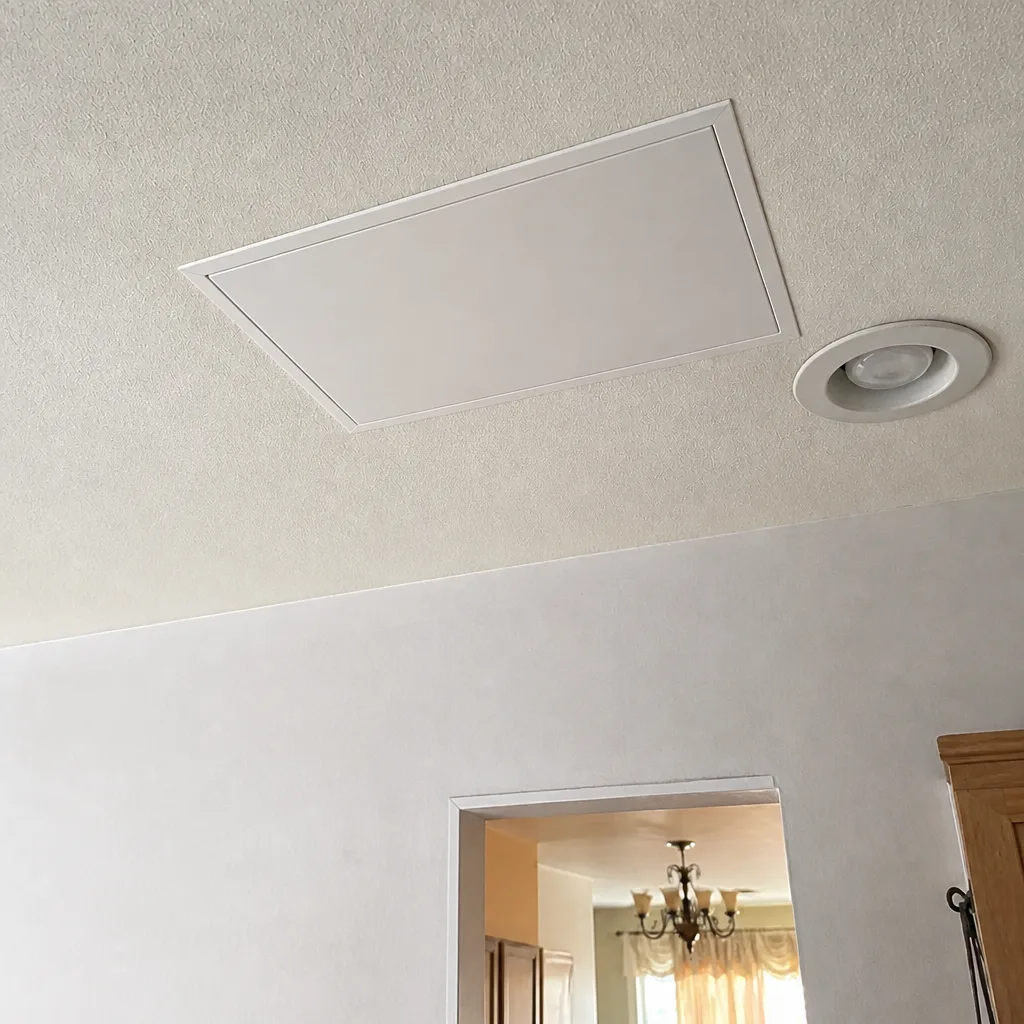
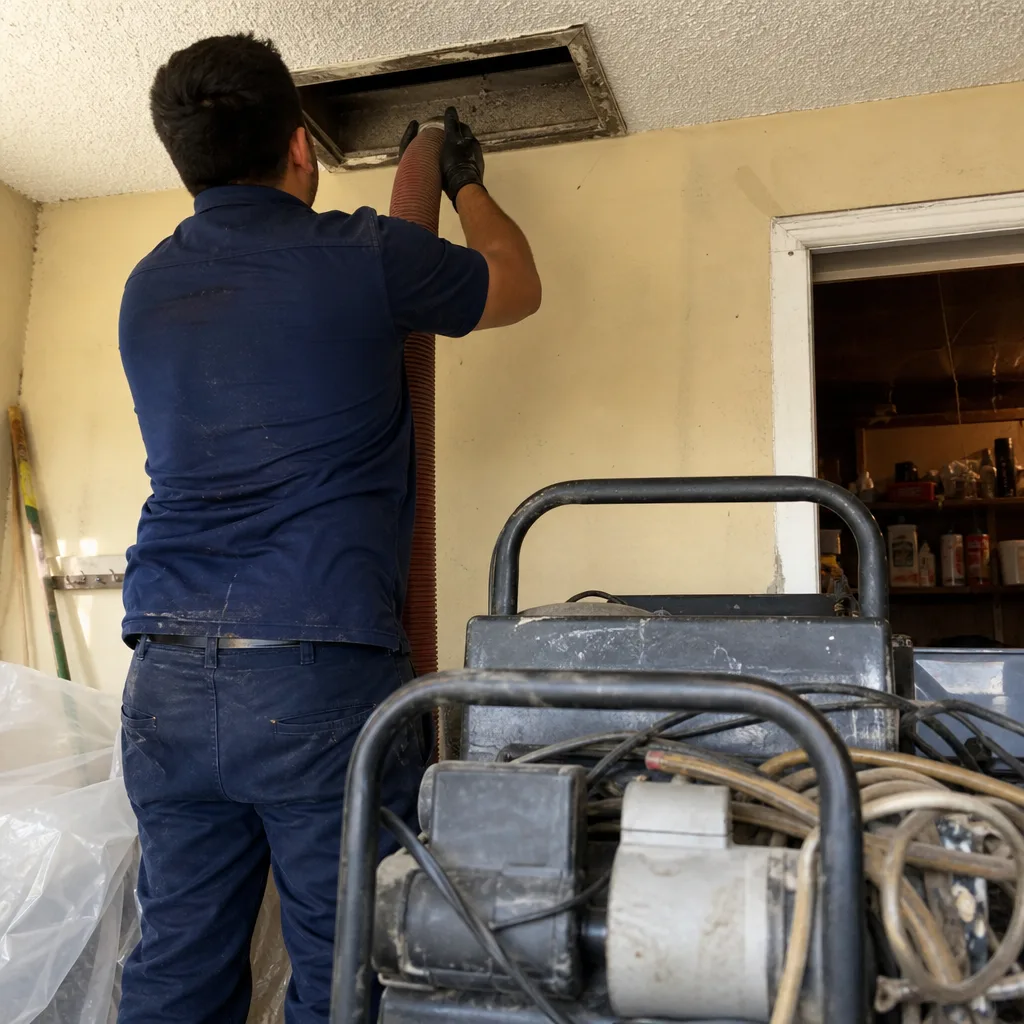
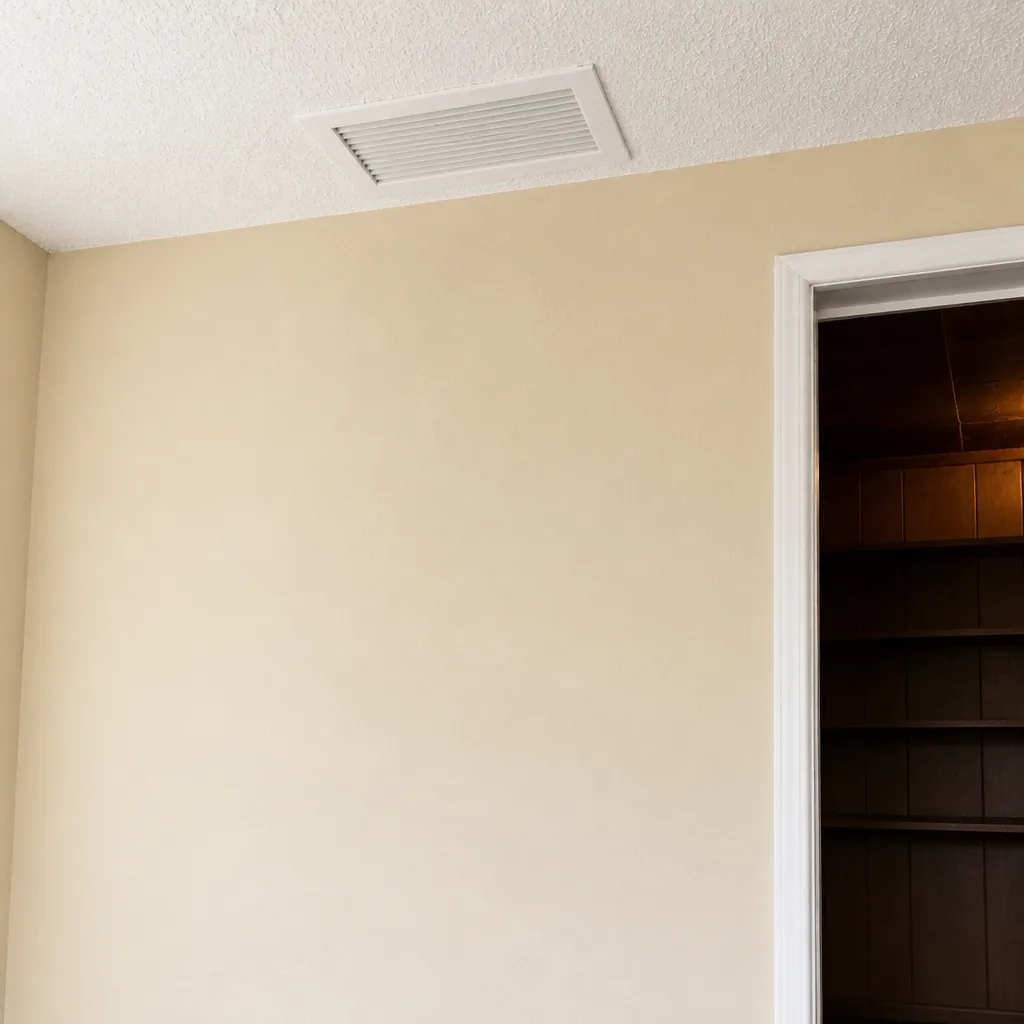
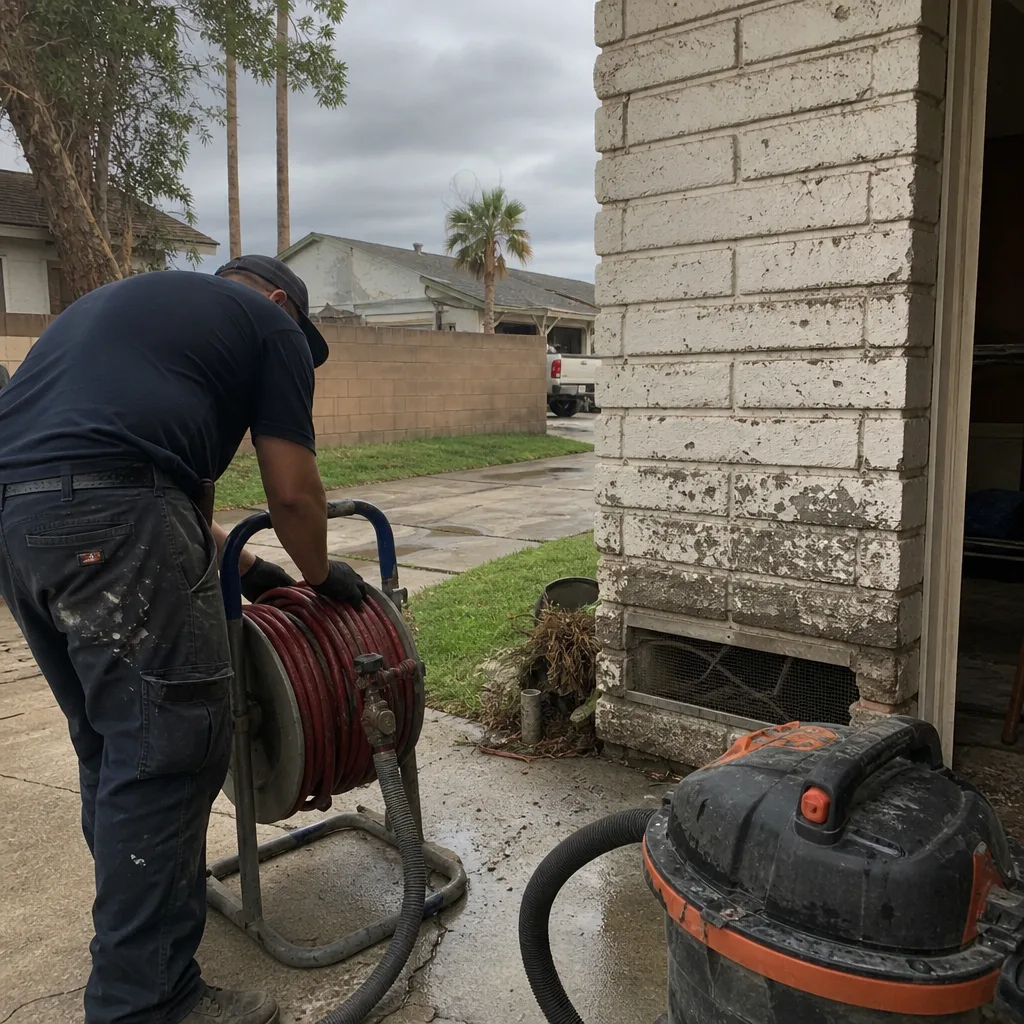
Whole-system duct and dryer vent check with before-and-after photos - you see exactly what came out of your vents
That "$99 whole-house special" is a bait ad - the real number appears once they are in your hallway, or the "clean" is a shop-vac at the register. We photograph the inside of your ducts before and after instead.
Air Duct Cleaning Troubleshooting in Fullerton: Common Problems and How to Fix Them
If you’ve had your ducts cleaned twice in two years and the musty smell came back both times, the cleaning wasn’t the problem. The diagnosis was. Most homeowners in Fullerton treat duct symptoms like a cleaning problem, when the actual cause is often a torn flex run, a leaking plenum joint, an undersized return, or a blower that’s moving less air than the system was designed for. Cleaning a duct system that has one of those problems is like mopping under a dripping pipe. This guide gives you a symptom-to-cause map so you can figure out what you’re actually dealing with before anyone knocks on your door. We’ll cover how to tell dirty ducts apart from collapsed ductwork, why odors return, and which issues a thorough inspection catches that a quick cleaning misses.
Quick Answer
Most air duct “problems” in Fullerton trace back to one of four root causes: accumulated debris, a physical duct defect (flex tear, disconnected joint, collapsed run), an HVAC component issue (filter, blower, coil), or a pressure imbalance from undersized returns. The right fix depends on which cause is present. A proper diagnostic inspection – including static pressure testing and visual inspection of accessible duct runs – identifies the cause before any cleaning or repair work begins.
Styles & brands we work with
- Whole-home duct cleaning
- Dryer vent cleaning
- Camera inspection
- Sanitizing & deodorizing
Table of Contents
- Symptom-to-Cause Map: What Is Your Duct System Actually Telling You?
- Weak Airflow: Six Causes and How to Tell Them Apart
- Why Odors Return After Cleaning (And What Actually Fixes Them)
- Duct Leakage: The Hidden Culprit Behind Hot Spots and High Bills
- Static Pressure Testing: The Diagnostic Most Crews Skip
- When It Isn’t the Ducts: Filter, Blower, and Coil Issues
- Fullerton-Specific Issues: Climate, Housing Age, and Seasonal Factors
- Our Diagnostic Process, Step by Step
Symptom-to-Cause Map: What Is Your Duct System Actually Telling You?
Before you call anyone, write down the specific symptom you’re seeing. “My ducts are dirty” is not a symptom – it’s a guess. Homeowners in Fullerton come to us with four main complaints, and each one has several possible causes that need to be separated out before any work makes sense.
Here’s how the symptoms break down:
- Weak airflow from some vents: Could be a collapsed flex duct, a disconnected run under the house, a partially closed damper, an undersized return, a dirty blower wheel, or a clogged filter. Possible causes: five or more.
- Musty or mildew smell: Could be biofilm in the evaporator coil, standing moisture in a duct low spot, mold growth on wet insulation, or household odors pulled back in through a leaking return. Possible causes: four or more.
- Visible dust at vents within days of cleaning: Could be filter bypass, unsealed joints pulling attic or crawlspace dust, or a dirty blower reintroducing debris. Possible causes: three or more.
- Hot and cold rooms that don’t respond to thermostat changes: Could be duct leakage, an unbalanced supply/return, a failing zone damper, or a system that was never designed for the room’s load. Possible causes: four or more.
The point is that no single symptom points to a single fix. If a company quotes you a duct cleaning before asking which rooms are hot and which vents are weak, they’re selling a service, not diagnosing a problem. Our approach at Fullerton Air Duct Cleaning Co is to start with the symptom history and then verify the cause with testing – not the other way around.
One local reality worth mentioning: Fullerton’s mix of older single-story homes with pier-and-beam foundations and newer two-story homes with attic ductwork creates two different sets of common issues. Under-floor ductwork picks up moisture and dust from the crawlspace when joints fail. Attic ductwork degrades faster in the summer heat and loses efficiency through unsealed joints and thin flex insulation.
Weak Airflow: Six Causes and How to Tell Them Apart
Weak airflow is the most overdiagnosed complaint in the trade. Homeowners hear “your ducts are clogged” when the real problem is often a blower that can’t move the right volume of air because the return side is starving it, or a single flex run that got crushed by a contractor walking through the attic.
Here are the six causes, ordered roughly from most common to least:
- Restrictive filter. A high-MERV filter on an undersized filter grille pulls down static pressure and cuts airflow across every vent. Easy to check, easy to rule out first.
- Dirty blower wheel. A blower that’s caked with dust and debris throws air at a fraction of its rated CFM. Signs: whistling from the return, weak flow everywhere, motor running hotter than it should.
- Collapsed or disconnected flex duct. Flexible runs in the attic kink, sag, or tear. A single collapsed run can flatten airflow to one or two rooms while the rest of the house seems fine.
- Undersized or restricted returns. A system with one return for a whole floor is common in Fullerton homes built in the 1970s and 1980s. The supply side can be fine while the return side chokes the system.
- Dirty evaporator coil. A matted coil restricts airflow across the whole air handler. You’ll see weak flow at every vent, plus a system that runs long and never quite keeps up.
- Closed or failed dampers. Manual balancing dampers sometimes get bumped shut. Zoned systems can have a damper actuator fail in the closed position.
Notice the order. Dirty ducts are not on that list. Dirty ducts add to a problem, but they’re rarely the primary cause of significant airflow loss. Anyone who leads with “your ducts are packed” without checking filter, blower, and coil has skipped the diagnosis.
A quick homeowner test: stand at each supply vent with the system running and a piece of tissue. A strong vortex means the vent is delivering air; a limp tissue means it isn’t. If weakness is concentrated at two or three vents while others are strong, that points to localized ductwork issues. If every vent in the house is weak, that points to a system-wide issue – filter, blower, coil, or return.
Why Odors Return After Cleaning (And What Actually Fixes Them)
Odors return after cleaning because a standard cleaning removes surface dust, not the biofilm or mold colony living on the wet side of the evaporator coil, on duct insulation that has absorbed moisture, or in the low spots of runs that trap condensation. If the underlying moisture source or organic growth isn’t addressed, the smell comes back. It’s that simple.
Here’s the difference homeowners need to understand:
- Surface debris removal is what most cleaning services deliver. Rotary brush and negative air machines – the professional tools we use daily, including Rotobrush and Nikro systems – pull out dust, hair, construction debris, and settled particles. They do not kill organisms or remove biofilm that’s bonded to a wet surface.
- Biofilm and mold colony treatment requires identifying the moisture source, killing the growth with an EPA-registered sanitizer applied in the right concentration and dwell time, and drying the space so the colony doesn’t rebound. This is where our Abatement Technologies equipment and EPA-registered sanitizers come in.
The pattern we see most in Fullerton is a musty smell that follows the cooling season. The coil develops a light biofilm during the wet spring, the smell gets pushed through the supply side all summer, and by fall it’s noticeable enough to prompt a cleaning call. A cleaning helps for a few weeks. Then summer arrives again and the smell returns, because the coil was never treated.
The right sequence is:
- Find the moisture source. Could be a clogged condensate drain, an oversized system that short-cycles and never fully dries the coil, or a return that pulls crawlspace humidity into the air handler.
- Fix the source if it’s fixable – draining, sealing, or adjusting the system.
- Clean the affected surfaces, including the coil.
- Sanitize with an EPA-registered product.
- Verify with a moisture reading or a follow-up inspection.
If a company quotes you a duct cleaning to fix an odor without addressing moisture and the coil, they’re selling you a repeat visit. Watch our related air duct cleaning page for how the coil and full system fit into a proper scope.
Duct Leakage: The Hidden Culprit Behind Hot Spots and High Bills
Duct leakage is the single most overlooked cause of the “my back bedroom is always hot” complaint in Fullerton, and it’s the one a shop-vac crew will never find. Leaks at plenum joints, boot connections, and unsealed flex collars pull attic air or crawlspace air into the supply stream – so a vent delivering air at 58 degrees becomes a vent delivering air at 75 degrees, mixed with attic dust and fiberglass particles.
The places leakage hides:
- Plenum joints where the air handler duct joins the main trunk. Often sealed with duct tape that dried out years ago.
- Boot connections at the point where the duct meets the register. A joint that’s slipped loose by a half inch looks fine from the room but leaks badly into the wall cavity.
- Flex duct collars (both ends) where the inner liner has pulled away from the metal collar. Common in older installs where a zip tie has loosened.
- Damaged duct runs that got stepped on, punctured, or torn during a previous repair or remodel.
Signs that leakage is your actual problem:
- Two rooms on the same zone run hot while others are cold, with no pattern that matches distance from the air handler.
- Dust film forms on horizontal surfaces faster in one room than any other.
- The register blows air that feels noticeably warmer than other registers on the same system in cooling mode.
- Energy bills climb year over year with no change in usage patterns or rate (check the bill breakdown, not just the total).
Sealing is a fixable problem, which is the good news. But cleaning without sealing is only removing the symptom – and the dust and hot spots come back the moment the system runs. That’s why we treat HVAC cleaning and duct sealing as parts of the same job rather than a handoff to a second contractor.
Static Pressure Testing: The Diagnostic Most Crews Skip
Static pressure testing measures how hard the blower is working to move air through the system. It’s the number that tells you whether you have a system-wide airflow problem or a localized blockage – and it’s the test most cleaning crews don’t run because they don’t carry a manometer.
In plain terms: a blower is designed to push against a specific amount of resistance. Add duct restriction, dirty filters, tight coils, or undersized returns, and the pressure on the system goes up. When total external static pressure climbs beyond the blower’s rated range, airflow drops, the coil gets cold and ices up, and the whole system runs less efficiently. You end up paying more to move less air.
What testing actually reveals:
- High return-side pressure means the return is starving the blower. This tells you to look at the return grille size, the filter, and the return trunk before touching the supply side.
- High supply-side pressure means something is restricting the supply – a closed damper, a crushed flex run, or a dirty coil downstream.
- Normal pressure with one weak vent means a localized problem – a duct run that’s collapsed or disconnected between the trunk and the vent.
Testing takes about fifteen minutes on a typical residential system. It’s the difference between “your ducts are dirty” and “your return grille is restricting the blower and your back bedroom duct is disconnected at the boot.” The right repair is completely different in each case.
When It Isn’t the Ducts: Filter, Blower, and Coil Issues
A meaningful share of “duct problems” turn out to be something else entirely. Before you spend money on cleaning, rule out the three most common impostors.
Filter issues. The single biggest cause of weak airflow is a filter that’s either dirty, the wrong MERV rating for the grille, or the wrong size and bypassing air around its edges. A filter that’s too thick for a 1-inch grille chokes the system. A filter that’s too narrow leaves gaps that let dust through. Check the size on the filter frame against the grille housing, and check the filter body for bypass marks after a month of use – dark streaks at the edges mean air is going around it, not through it.
Blower motor issues. A blower wheel that’s caked in dust, a failing capacitor, or a motor on its way out all reduce airflow. Signs: the blower runs but the air feels weak, a whistling or rattling sound at the air handler, or the motor is hot to the touch after running. A technician can pull the blower assembly and check the wheel – if it’s matted with dust, that’s a separate cleaning from the ductwork itself.
Evaporator coil issues. A dirty coil blocks airflow across the air handler the same way a dirty filter does, but it’s on the other side of the filter and much harder to see. It also traps moisture and hosts the biofilm that causes recurring odors. When the coil is matted, cleaning the ducts won’t fix the symptom – the coil needs to be cleaned too.
The rule of thumb: if you’ve checked filter size, filter condition, and blower sound and you still have weak airflow, the coil and the ductwork both need inspection. That’s why our Fullerton Air Duct Cleaning Co team treats the coil, blower, and ducts as one system rather than three separate jobs.
Fullerton-Specific Issues: Climate, Housing Age, and Seasonal Factors
Fullerton’s climate and housing stock shape which duct problems show up here more often than in other parts of Southern California.
Mild winters, long cooling seasons. Fullerton’s mild winters mean the heating side of the system runs lightly and rarely dries out the coil. That leaves the evaporator wet for more of the year, which is why biofilms and musty odors show up more here than in climates with a hard freeze. A system that runs cooling for most of the year needs the coil and drain checked as part of any odor diagnosis.
Older homes with pier-and-beam construction. Many Fullerton homes built from the 1940s through the 1970s sit on raised foundations with ductwork running through the crawlspace. When joints fail, they pull crawlspace air – which is moist, dusty, and often pest-contaminated – directly into the living space. A duct that looks fine from the register can be leaking badly underneath.
Newer homes with attic ductwork. Homes built in the 1980s and later typically move ductwork into the attic. That attic reaches very high temperatures in summer, and flex duct insulation degrades faster than it would in a crawlspace. Leaks at the plenum or the boot translate into hot air mixing with the cooled supply – the classic “back bedroom is always hot in September” complaint.
Neighborhood patterns. Homes in the older neighborhoods around downtown Fullerton tend to have more crawlspace duct runs and moisture-related issues. Homes in the hills and newer developments tend to have larger attic duct systems with more leakage points and higher static pressure from longer runs. Both categories benefit from inspection, but for different reasons.
Renovation season. Fullerton sees a lot of kitchen and bathroom remodels that kick drywall dust into the return system. If a homeowner’s complaint is “dust film came back a week after cleaning,” renovation debris in the return is often the culprit. A second cleaning a few weeks after the renovation is done is the right fix – not a second cleaning immediately. For dryer-related ductwork, the same diagnostic logic applies, and our dryer vent cleaning service follows the same symptom-first approach.
Our Diagnostic Process, Step by Step
Here’s how we actually diagnose a duct or indoor air quality complaint when we’re called to a Fullerton home.
- Symptom interview. Which vents are weak and which are strong. When did the smell start. What changed – renovation, new filter, new thermostat, roof work. The answers narrow the cause before we test anything.
- Filter and grille check. Filter size, filter condition, bypass marks, return grille sizing. Ruling filters and returns out first saves time and money.
- Blower and coil inspection. Pull the blower assembly, check the wheel for dust matting, inspect the coil face for debris and biofilm. Confirm the fan is moving air.
- Static pressure test. Measure total external static pressure, then read the return side and the supply side separately. This is the test that tells us whether the problem is system-wide or localized.
- Duct inspection. Visual inspection of accessible runs in the attic or crawlspace. Every plenum joint, every boot connection, every flex collar gets checked for separation and tear. Where access is limited, we use inspection cameras.
- Moisture check. For odor complaints, check the coil for biofilm and check duct insulation in any low spot for standing moisture. Identify the moisture source before recommending sanitizing.
- Contamination assessment. If there’s visible mold, pest contamination, or fine particulate, we bring in our Abatement Technologies containment equipment to handle the job cleanly and keep the rest of the home protected.
Only after those seven steps do we recommend a scope of work. That might be cleaning, or repair and sealing, or a referral to an HVAC contractor for blower or coil service – or a combination. The reason we carry Rotobrush and Nikro cleaning systems alongside duct repair and sealing tools is that we can usually finish the job in one visit: what we find, we can fix. When the fix involves filtration or humidity control, we work with Honeywell and Aprilaire products to upgrade the system after cleaning rather than leaving the same weak components in place.
Common Mistakes to Avoid
- Booking a cleaning before you’ve had a diagnosis. If a company quotes a price per vent without asking which rooms are hot or which vents are weak, they’re not solving your problem, they’re selling a service. Get a diagnosis first, cleanup second.
- Assuming every smell is dirty ducts. A musty smell in a Fullerton home usually traces back to the coil or to moisture in the ductwork, not to dust. Cleaning without sanitizing and without fixing the moisture source means the smell comes back in a few weeks.
- Replacing filters with the highest MERV rating you can find. A high-MERV filter on an undersized grille chokes airflow and raises static pressure. Match the filter to the blower and the grille, not to the marketing on the package.
- Ignoring one weak vent as a “minor” issue. A collapsed or disconnected duct run behind a wall doesn’t fix itself. It might be sending conditioned air into a wall cavity or attic, which wastes energy and pulls in unfiltered air.
- Cleaning without sealing. Unsealed joints reintroduce attic or crawlspace air every time the system runs. The dust film on your furniture comes back in days rather than weeks. Cleaning and sealing belong in the same scope.
- Hiring a crew that doesn’t run static pressure. Without testing, there’s no way to know whether the complaint is a system-wide airflow problem or one bad duct run. The fix could be a $200 repair or a full sealing job – testing tells you which.
- Skipping the coil because it’s “not the ducts.” In a Fullerton home with a long cooling season, a matted or biofilm-covered coil is often the actual cause of the smell or the weak airflow. Any diagnosis that skips the coil is incomplete.
See the difference
 Before
 After
 Before
 After
 Before
 After
When to Call a Professional
If you’ve checked your filter, listened for blower noise, and still have weak airflow at two or more vents, it’s time for a diagnostic call. The same goes for any persistent musty smell, particularly one that returns within a month of a previous cleaning. Visible dust streaming from a vent, water stains near the air handler, or a register that’s noticeably warmer or colder than the others all warrant a professional inspection – those symptoms point at duct defects or coil problems that only testing and visual inspection can confirm. Our Fullerton Air Duct Cleaning Co team offers free estimates in Fullerton – call (877) 792-5884. We answer 24/7, with fast dispatch from 7am to 7pm, Sunday through Friday. Our technicians have up to 14 years of experience diagnosing exactly these symptom-to-cause problems.
Frequently Asked Questions
Most residential duct cleaning in Fullerton runs somewhere in the several-hundred-dollar range per system, priced as one flat price for the whole system rather than per vent. The written estimate always sets the final number, because scope depends on how many runs are accessible, whether containment is needed, and whether repair or sealing is included. Beware quotes that seem dramatically lower than the others – they usually come with per-vent pricing once the technician is on site. Call (877) 792-5884 for an exact quote – estimates are free.
Cheap quotes usually reflect a partial scope: a shop vac or consumer-grade attachment on the accessible registers, no static pressure testing, no coil inspection, no sealing, and a per-vent surcharge that appears after the work begins. A full-scope job uses professional equipment like Rotobrush and Nikro systems, includes containment with Abatement Technologies gear when contamination is present, and prices the whole system before any work starts. If a quote is dramatically lower than others, ask what’s excluded before you book. Call (877) 792-5884 for a full-scope estimate – it’s free.
Before-and-after photos of your own ducts and coil are the standard way to verify the work. Ask the company to photograph the inside of a duct run and the coil face before cleaning and after, and to test static pressure after the work to confirm the system is moving air as designed. If a company can’t produce photos of your system, the work can’t be confirmed. Call (877) 792-5884 to schedule a diagnostic visit with documented before-and-after photos – estimates are free.
Cleaning alone will not stop a musty smell that comes from biofilm on the evaporator coil or from moisture in ductwork – the smell returns in weeks because the source wasn’t addressed. The full fix requires finding the moisture source, cleaning the affected surfaces including the coil, treating with an EPA-registered sanitizer, and drying the system. Call (877) 792-5884 for an odor diagnosis – estimates are free.
Most Fullerton homes do well with duct cleaning every few years, not every year. Homes with pets, recent renovations, or heavy dust in the crawlspace may need it more often. Odors, visible dust at vents, or rising energy bills suggest the system needs a diagnosis regardless of how long it’s been since last cleaning. Call (877) 792-5884 to check whether cleaning is actually what you need – estimates are free.
Static pressure testing measures how hard your blower is working to move air, and it tells a technician whether the problem is a system-wide airflow restriction or a single bad duct run. You need it any time airflow is weak across multiple vents or whenever a cleaning company has quoted a solution without testing. Without testing, the repair might be aimed at the wrong cause. Call (877) 792-5884 to schedule a diagnostic visit – estimates are free.
The Bottom Line
Most “duct problems” in Fullerton turn out to be one of four things: debris, a physical duct defect, an HVAC component issue, or a pressure imbalance. The right fix depends entirely on which one is actually present – and the only way to know is to diagnose before you clean. If your smell returns after cleaning, if one room stays hot while others are fine, or if your bills keep climbing, don’t book another cleaning. Book a diagnosis. Static pressure testing, coil inspection, and a visual check of every accessible duct run will tell you what’s actually going on. Our team at Fullerton Air Duct Cleaning Co does all of that, then repairs, seals, and sanitizes in the same visit so the fix matches the finding. Call (877) 792-5884 for a free estimate. We answer 24/7, with fast dispatch from 7am to 7pm, Sunday through Friday.
Written by the team at Fullerton Air Duct Cleaning Co.