
Last updated November 25, 2026
 Whole-home duct cleaning
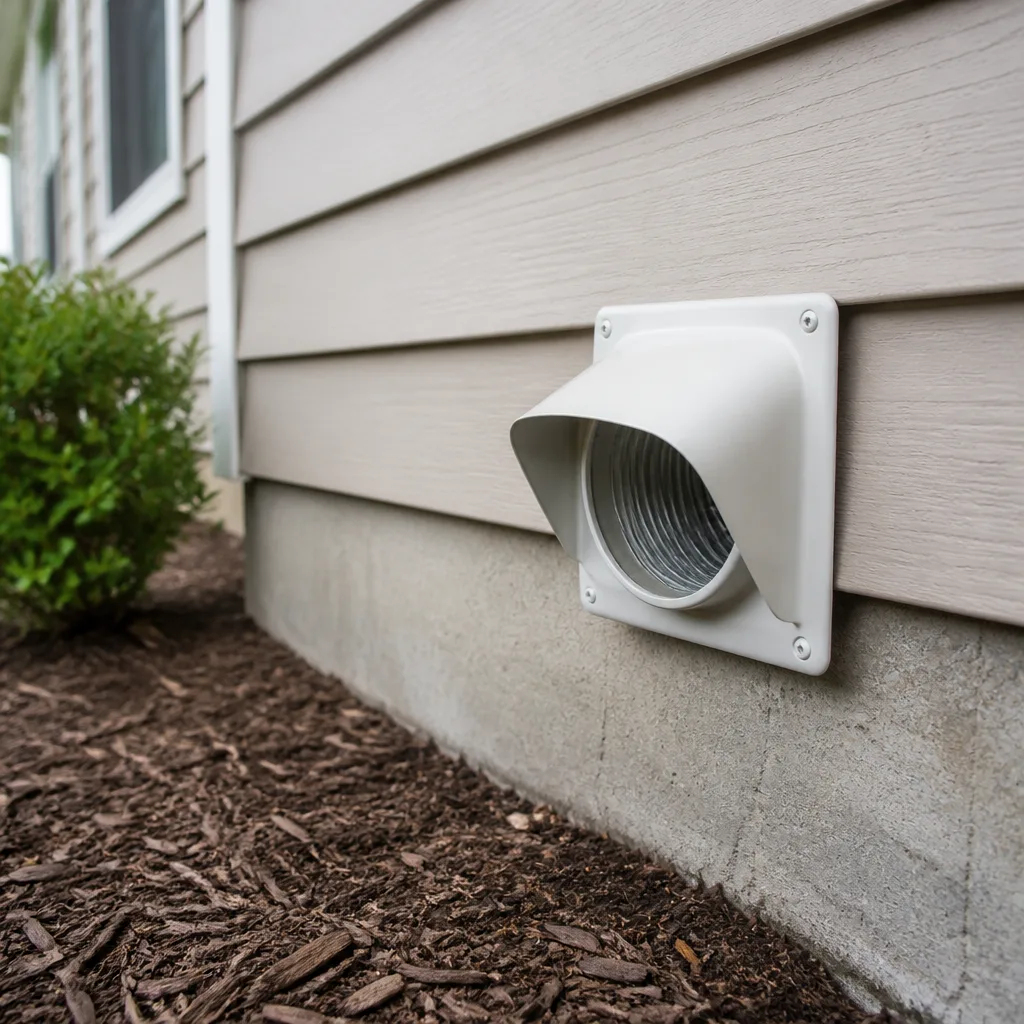 Dryer vent cleaning
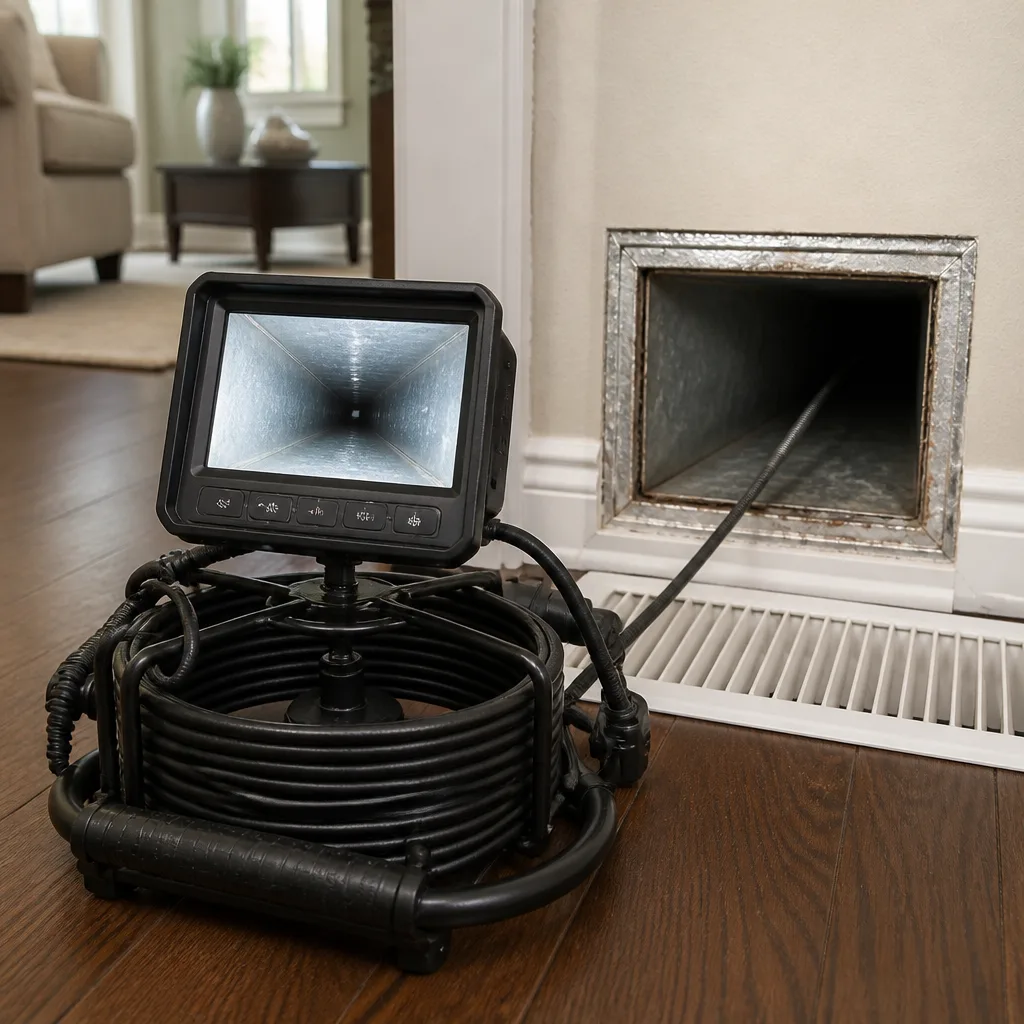 Camera inspection
 Sanitizing & deodorizing
Whole-system duct and dryer vent check with before-and-after photos - you see exactly what came out of your vents
That "$99 whole-house special" is a bait ad - the real number appears once they are in your hallway, or the "clean" is a shop-vac at the register. We photograph the inside of your ducts before and after instead.
Air Duct Cleaning Maintenance Checklist for Fullerton Homeowners
If you replaced your MERV-8 filter with a MERV-13 “for better air quality” without checking your blower’s static pressure rating, you may have already damaged the system you just paid to clean. A filter that chokes airflow makes the blower work harder, pulls more dust past loose duct joints, and can frost a coil in a system that was running fine. Duct cleaning is a one-day event. Duct maintenance is a 12-month discipline, and the homes in Fullerton that hold their air quality are the ones where someone tracks what the system is telling them. This guide gives you the month-by-month tasks, the intervals, and the inspection triggers that keep a cleaned system from degrading. No vague “every three to five years” advice. Real thresholds you can measure.
Quick Answer
Fullerton homeowners should run a short inspection monthly, change filters based on pressure and load rather than a calendar sticker, and check every supply and return register for seal gaps twice a year. Schedule a visual inspection when you see telltale seal failure at registers or notice rising dust, and book full cleaning when a visual inspection confirms debris buildup past roughly a sixteenth of an inch on duct interiors. Santa Ana wind season, summer smog, and mild winters with little system downtime make Fullerton’s timing different from colder markets.
Styles & brands we work with
- Whole-home duct cleaning
- Dryer vent cleaning
- Camera inspection
- Sanitizing & deodorizing
Table of Contents
- Why Fullerton Systems Age Differently
- The Month-by-Month Checklist
- Filter Selection Tied to Your System, Not a MERV Label
- Duct Seal Failure vs. Normal Dust: How to Tell
- What to Check at Each Register (No Tools Needed)
- Visual Inspection vs. Full Cleaning: Measurable Thresholds
- When to Call a Professional
- Frequently Asked Questions
Why Fullerton Systems Age Differently
Fullerton sits in a basin where air movement is seasonal and often still. In summer, smog and fine particulate settle over the neighborhoods north of the 91, and a running air conditioner pulls that air through the return every day. In fall and winter, the Santa Ana winds push dry, dusty air across the region for days at a stretch. The result is a filter loading pattern that surprises people who moved here from wetter or colder climates. You aren’t fighting one heavy season. You’re fighting several short, intense ones separated by weeks of mild weather.
That mild winter matters more than homeowners expect. A heating system in Fullerton might run only a few hours a week from December through February, and an air conditioner carries most of the load the rest of the year. Systems with long idle stretches between short heating runs can accumulate dust in the return plenum and on the coil face without the airflow to blow it clear. Meanwhile, humidity from morning marine influence (before the inland heat burns it off) can leave condensate on coils that don’t fully dry between cycles, and that’s where musty odors start.
Where you live in Fullerton shapes the pattern too. Homes near the downtown core and around Cal State Fullerton deal with older construction and streets with heavier traffic. Newer developments on the north and east edges tend to have tighter building envelopes but sometimes undersized returns that restrict airflow. We’ve seen both extremes in our work, and each one points to different maintenance priorities. The checklist below accounts for both.
The Month-by-Month Checklist
This is the working schedule we recommend for a typical Fullerton home with central forced-air heating and cooling. Adjust the filter schedule based on your actual system and filter type, but keep the inspection rhythm.
- January: Check the filter. If you ran heat heavily in December, expect loading. Look at the return plenum for dust streaks that suggest a loose joint.
- February: Open one supply register in each major room and shine a flashlight into the boot. Note any visible dust film on the inside wall.
- March: Before cooling season, confirm the condensate drain is clear and the coil face is clean. Listen to the blower at startup for any new rattle or hum.
- April: Walk the exterior of the duct runs in the attic or crawlspace if accessible. Look for disconnected flex duct or crushed runs. This is the month before the first heat wave.
- May: Do a full register sweep. Every supply and return. Record anything that looks off so you can compare it in October.
- June through September: Watch the filter closely. These are the highest-load months for the air conditioner. Check filter pressure or visual loading every two to four weeks.
- October: First Santa Ana wind events of the season. Check the filter immediately after any multi-day wind event, and check exterior vents and return grilles for dust intrusion.
- November: Pre-heating season check. Confirm the furnace burner area is clean (a professional job, not a homeowner task), and check that all supply registers are open and unobstructed.
- December: Year-end review. Compare this year’s register notes to last year’s. If you’re seeing more dust, more frequent filter changes, or new odors, schedule an inspection.
That’s four hours of homeowner time spread across a year. It’s the difference between a system that stays clean and one that’s back to pre-cleaning dust levels in eighteen months. We clean it, repair it, seal it, and sanitize it, but the between-visit discipline is the homeowner’s side of the relationship.
Filter Selection Tied to Your System, Not a MERV Label
MERV rating is a pressure specification, not a virtue. A MERV-13 filter that’s too restrictive for your blower is worse than a clean MERV-8, and in Fullerton’s dust-heavy months, a moderate filter changed often beats a high-MERV filter changed rarely. The rule: match the filter to the system’s static pressure rating, then change it on a schedule tied to actual loading, not to a printed recommendation.
- Check the blower’s rated static pressure first. It’s on the data plate inside the air handler or in the system’s installation manual. If you don’t have the manual, most manufacturers list it online by model number.
- MERV-8 to MERV-11 is the practical ceiling for most residential Fullerton systems unless the equipment was specified for higher. A high-MERV filter on an underrated blower reduces airflow, raises coil temperature, and can produce the exact condensation and dust-carryover problems you were trying to prevent.
- Change on loading, not the calendar. Hold your filter up to a light source. If you can’t see through the media clearly, it’s loaded regardless of how recently you changed it. In summer and during wind events, that might be every three weeks. In a mild February, it might be six weeks.
- Seal the filter frame. Air finds the path of least resistance. If you can feel air moving around the filter edge, dust is bypassing the media and coating the coil. A simple foam tape gasket on the frame edge helps.
- Mind the sizing. An undersized filter left loose in a return grille leaks. Confirm the filter matches the grille opening exactly, and if your system takes a non-standard size, order it rather than trimming one down.
Aprilaire makes filter cabinets and media systems sized for specific airflow ranges, and if your home already has a media cabinet installed, replacing the media on its recommended interval usually does more for your air quality than switching filter brands. If you’re not sure which media your cabinet takes, our team can identify it during an inspection.
Duct Seal Failure vs. Normal Dust: How to Tell
Not all dust is a problem. Normal dust builds up in a smooth, even film across the duct interior and stays where it sits. Seal failure produces a different pattern: streaks, lines, or dust concentration at joints and elbows, and sometimes a fine layer of dust settling on horizontal surfaces inside the home after the system cycles. The pattern is the tell.
- Streaky dust at joints: focused dust lines at a duct joint or flex collar mean air is escaping at that seam. That’s a seal failure, not just accumulated dust.
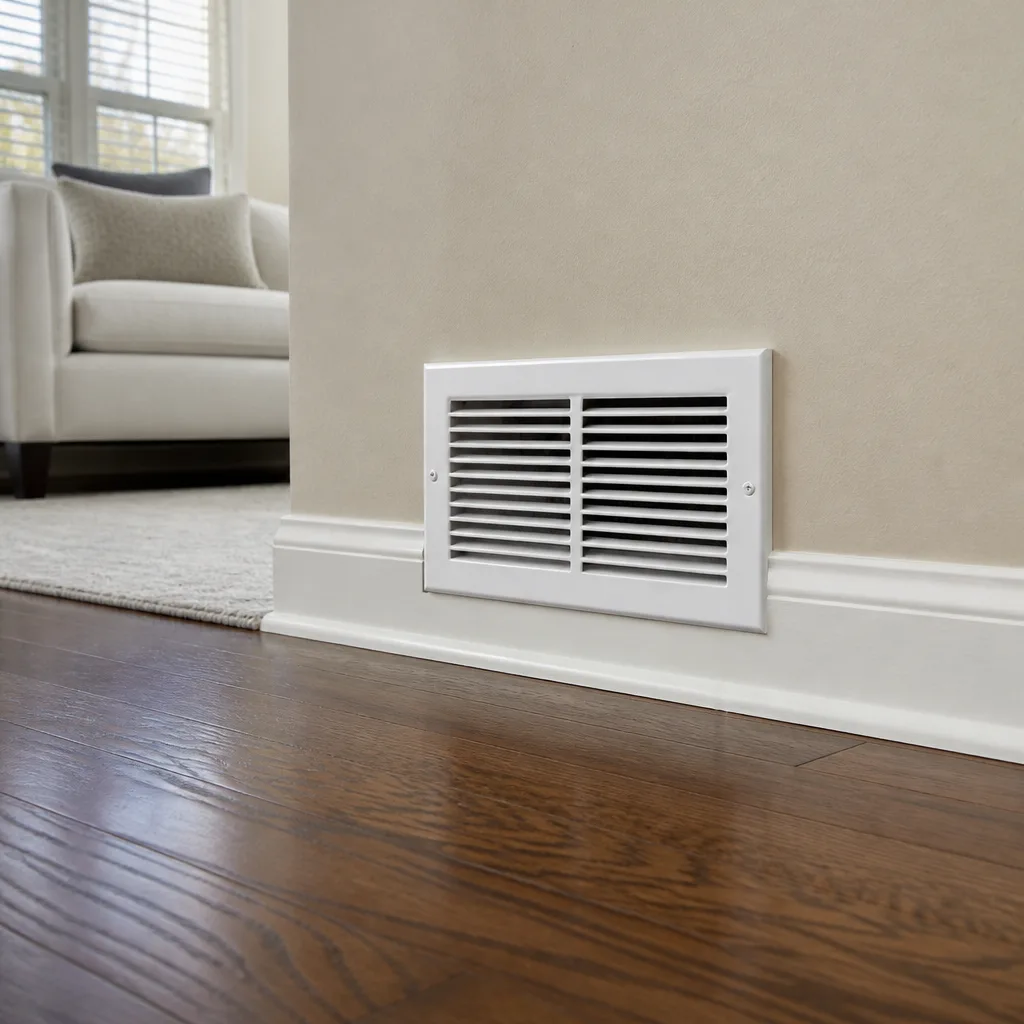
- Dust around the register frame on the wall: a dark ring outlining the grille means air is leaking back into the room between the boot and the drywall. Usually a simple seal job, but it needs attention.
- Visible flex duct disconnection: if you can see a flex duct run in the attic with a visible gap at a fitting, stop and call a professional. That’s an unsealed duct dumping conditioned air and pulling in attic air.
- Uneven room temperatures: a room that was comfortable last year but isn’t now is often a duct seal or duct obstruction issue, not an equipment problem.
- Whistling or whooshing at a register: a pressure imbalance, often caused by a disconnected or crushed duct on one branch.
- Musty odor in one room but not others: often localized. Can indicate a moisture problem in a specific run, or a pinhole leak drawing in attic air.
- Fine dust falling from a ceiling register: normal accumulation shouldn’t blow down in a plume. If it does, the run needs inspection.
We handle duct repair and sealing alongside cleaning precisely because these signals show up during a cleaning visit. Finding a failed seal mid-clean and then handing the homeowner a second contractor’s phone number wastes everyone’s time. We repair it on the same call.
What to Check at Each Register (No Tools Needed)
You don’t need a gauges set to do a meaningful register check. A flashlight, a damp cloth, and five minutes per room is all a Fullerton homeowner needs. Here’s the sequence we recommend, run twice a year (May and October, based on the wind and cooling seasons).
- Remove the grille. Most supply grilles lift straight out or have two thumb screws. Set it aside and look into the boot with a flashlight.
- Look for dust film on the inside wall of the duct. A light, even film is normal. A heavy deposit with visible texture is a signal to note.
- Check for gaps at the boot-to-drywall seam. Shine the flashlight along the perimeter. Any light leak means a seal is failing.
- Feel for airflow. With the system running, hold your hand a few inches from the supply. You should feel steady, even airflow. If it pulses or seems weak, note it.
- Sniff the air. Musty, sour, or dusty odors at a specific register point to a run-specific problem, not a whole-house one.
- Wipe the grille. A damp cloth on the grille face removes surface dust. It also makes the next month’s dust easier to compare against.
- Record it. A quick note on your phone per room gives you a reference point. When you compare May to October, differences are obvious. Without notes, they’re invisible.
If you find debris that’s visible on the duct interior (not just the grille), don’t reach in. Debris on the interior wall of a supply run usually needs mechanical cleaning equipment, which is what a professional air duct cleaning service uses. Rotobrush and Nikro systems are the standard for exactly this reason. Consumer-grade attachments don’t reach into elbows or flex runs, and trying to clean them yourself risks dislodging material that ends up deeper in the system.
Visual Inspection vs. Full Cleaning: Measurable Thresholds
“Every three to five years” is a rule invented by the duct cleaning industry, and it doesn’t match what Fullerton homes actually need. Some systems need cleaning every eighteen months; some go four years without a problem. The variable is loading, and loading is measurable. Use the thresholds below to decide whether you’re in inspection territory or cleaning territory.
Book a visual inspection when:
- You’re changing filters more than once every six weeks.
- One or more rooms have lost temperature performance compared to last year.
- You see visible dust film that’s thicker than normal buildup at more than one register.
- You smell a musty or sour odor when the system first comes on.
- You’ve completed a renovation that generated drywall or sawdust debris.
- You notice a whistle, rattle, or new sound at startup.
- You’ve moved into a home and don’t know the prior service history.
Book full cleaning when a visual inspection confirms:
- Debris depth in the duct interior exceeds roughly a sixteenth of an inch along the run.
- Visible microbial growth or persistent odor deep in the system.
- Debris has settled on the coil face and restricted airflow.
- Renovation debris is present in the return or supply runs.
- Pest activity has been confirmed in the ductwork.
Our inspection process uses Abatement Technologies equipment because some jobs need to go beyond routine dust removal. Fine-particulate capture, contamination control, and sanitizing after significant debris removal are within the scope of the same visit. That matters in Fullerton homes where a renovation produced debris, or where an ongoing moisture problem is feeding growth inside a run. If the inspection turns up a seal failure, we address it. What we find, we can fix.
Common Mistakes to Avoid
- Upgrading to a MERV-13 without checking static pressure. The single most common mistake we see in Fullerton homes. Higher MERV reduces airflow, which strains the blower and can trigger the moisture and dust problems the filter was supposed to solve.
- Changing filters on a fixed calendar. A filter changed monthly in July may be overdue. The same filter on a February schedule might be fine. Loading depends on what’s in the air, and in Fullerton’s wind season, that changes fast.
- Ignoring register seal gaps because the dust “isn’t that bad.” Small leaks get bigger. A ring of dust around a register frame today is attic air entering the room today, and it also means conditioned air is escaping today.
- Reaching into a duct to remove something yourself. Flex runs in older homes are easily damaged from the inside. A small tool scrape can create a puncture that dumps conditioned air into the attic for years.
- Assuming a cleaning resets the whole clock. A full cleaning is the start of the next maintenance cycle, not a warranty. Homes that skip the between-visit checks return to pre-cleaning dust levels faster than they expect.
- Calling for cleaning when the real problem is the equipment. A system that has never been serviced may have a dirty coil, a failing blower, or an undersized return. Cleaning dirty ducts on a struggling system doesn’t fix the airflow.
- Skipping the dryer vent in the maintenance list. Dryer vents are part of the same home maintenance discipline, and a lint-restricted vent is a fire risk regardless of how many years pass. Book dryer vent cleaning on your annual review even if the ductwork is clean.
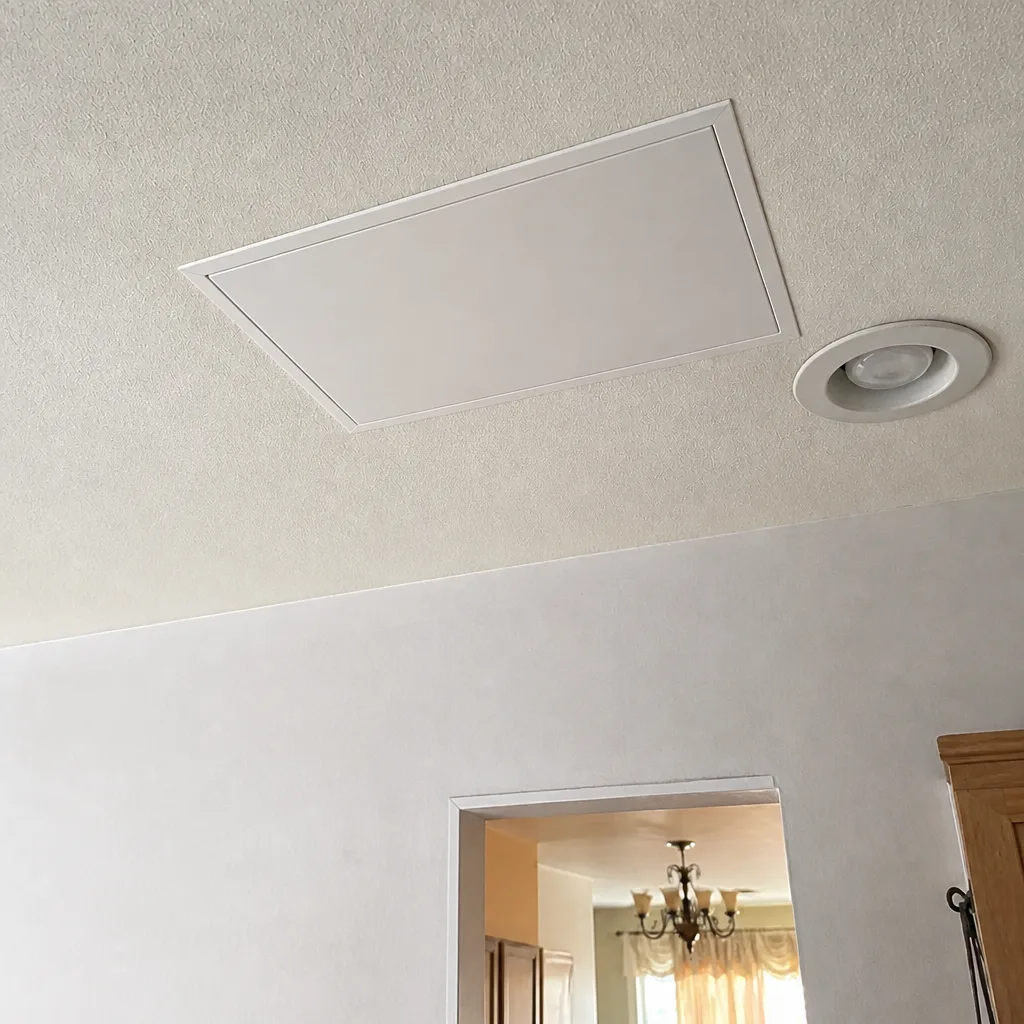
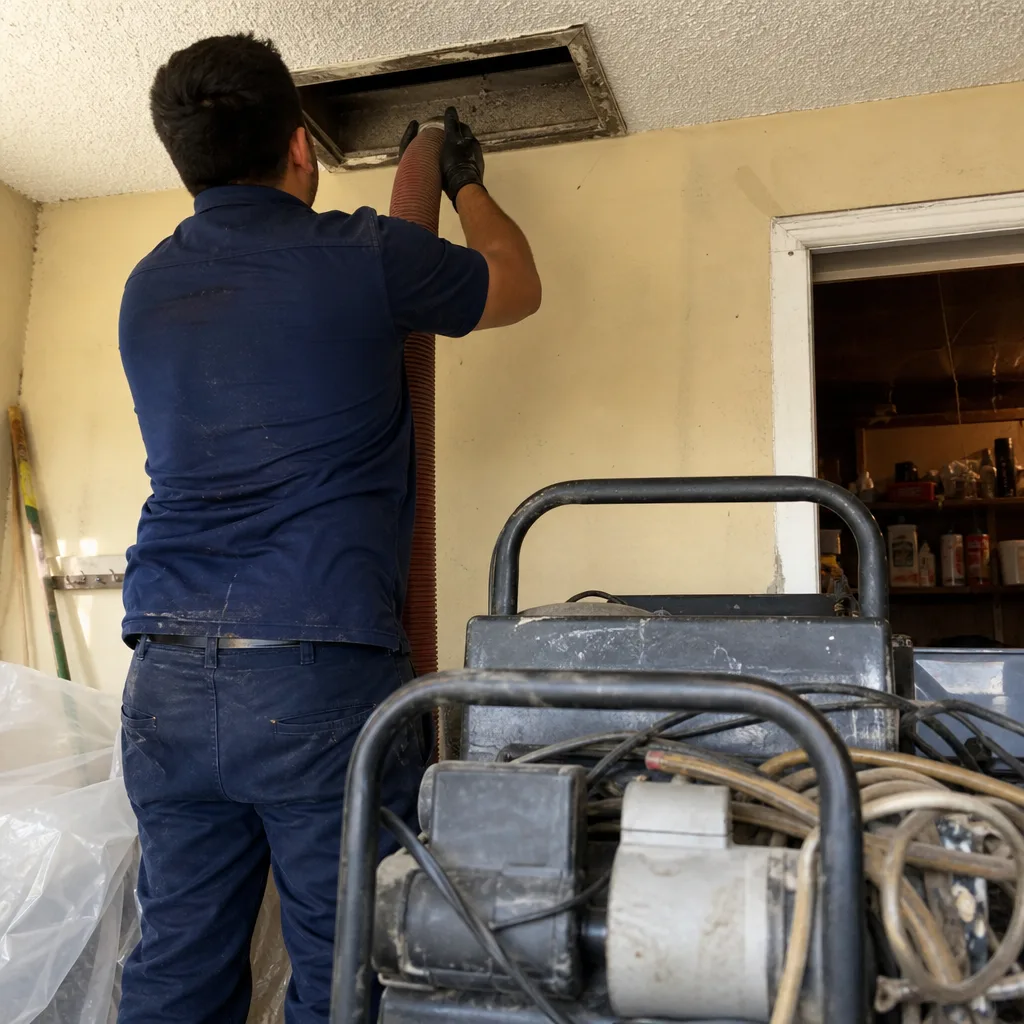
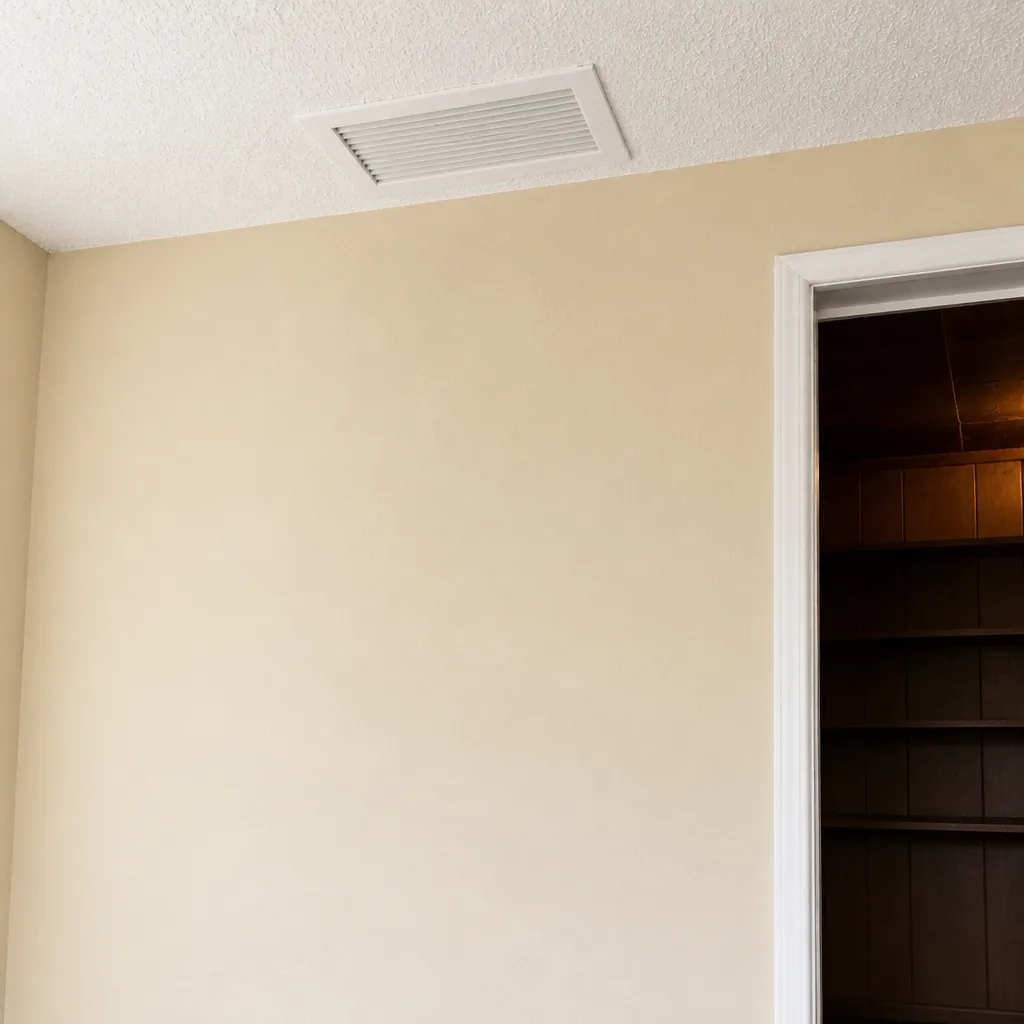
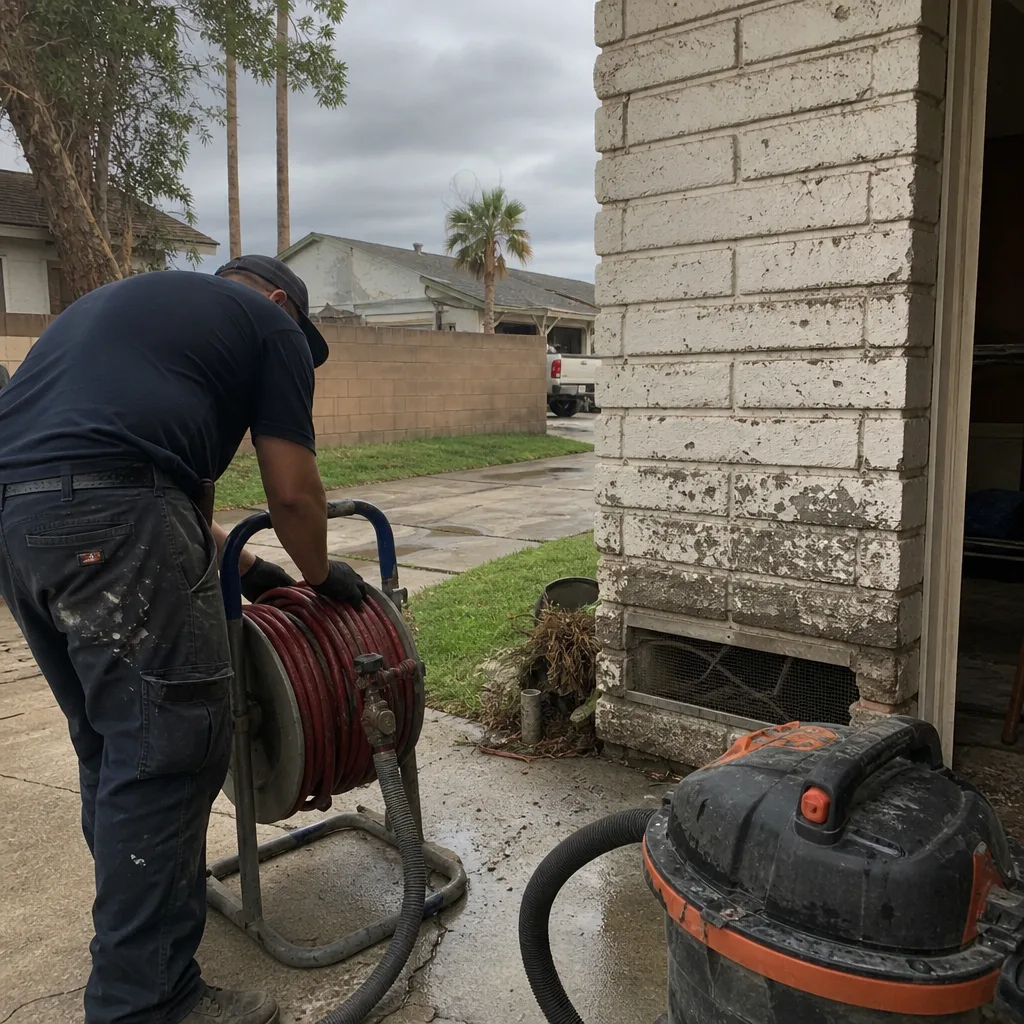
See the difference
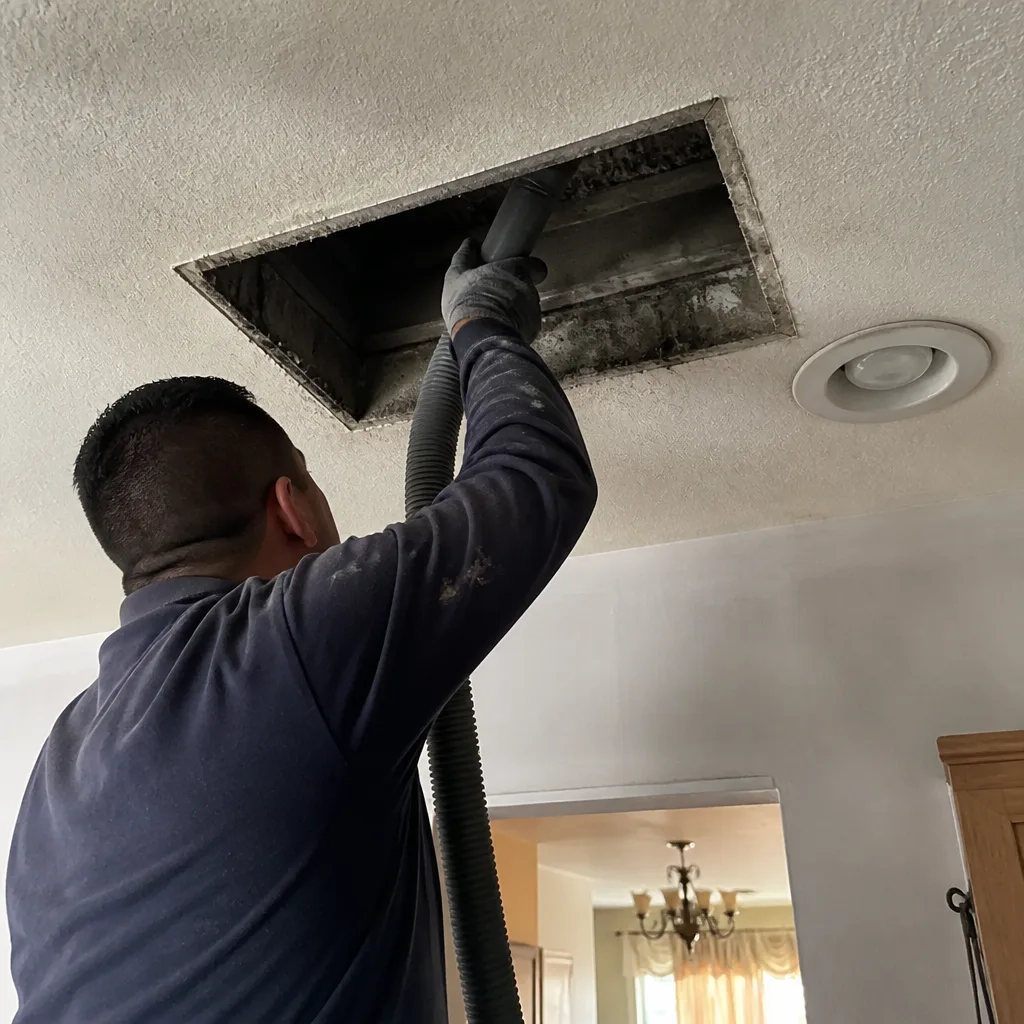 Before
 After
 Before
 After
 Before
 After
When to Call a Professional
Some tasks on this checklist are yours. Others need equipment and training. Call a professional when you find debris visible inside a duct run, when you can see a disconnected or crushed flex duct, when a musty odor persists after a cleaning, when a renovation generated drywall or sawdust debris inside the system, when a register whistle or rattle points to an airflow problem you can’t trace, or when an inspection confirms debris depth beyond a light film. Similarly, when the annual review turns up a dryer vent with visible lint accumulation, that’s professional work.
Fullerton Air Duct Cleaning Co offers free estimates in Fullerton. We use Rotobrush and Nikro equipment, handle duct repair and sealing in-house, and work with Honeywell and Aprilaire products when a cleaning turns up an opportunity for filtration or humidity improvement. Our technicians have up to 14 years of experience. Call (877) 792-5884 for a free estimate. We answer 24/7. Fast dispatch from 7am to 7pm, Sunday through Friday.
Frequently Asked Questions
Most Fullerton homes need a professional cleaning every two to four years, but the timing depends on measurable loading rather than a fixed calendar. If you’re changing filters every few weeks during summer or Santa Ana wind season, a visual inspection will tell you whether cleaning is due now.
Match it to your blower’s static pressure rating, which is listed on the air handler’s data plate or in the installation manual. Most Fullerton homes are safely in the MERV-8 to MERV-11 range. A MERV-13 filter on an underrated system can reduce airflow enough to strain the blower, so check before upgrading.
Yes. Look for dust rings around register frames, streaky dust concentrations at duct joints, and any whistling at a supply grille. A visible gap at a flex duct fitting in the attic is a definite seal failure. If you find one, book an inspection rather than guessing at the scope.
Yes if the renovation involved drywall, sawing, sanding, or demolition inside the conditioned space. Fine debris from those activities works its way into returns and settles across supply runs. Book a professional cleaning before running the system freely, and ask about containment for the cleaning itself.
Duct cleaning addresses the distribution system (supply and return runs, boots, registers). HVAC cleaning addresses the equipment itself, including the coil, blower, and plenum. Most Fullerton systems benefit from both, and the two are scheduled together when an inspection shows debris on the coil face or blower wheel. Our HVAC cleaning service covers the equipment side.
Only if your system can handle the added pressure drop. In Fullerton’s dust-heavy months, a correctly sized MERV-8 filter changed often outperforms a MERV-13 filter that’s loading your blower. Sealing the filter frame and the register boots removes the bypass that lets dust skip the filter entirely, which is often the bigger win.
The Bottom Line
The households that get the most out of a professional cleaning are the ones that treat maintenance as a year-round habit. Change filters based on loading and system specs, not a printed MERV label. Check every register twice a year. Watch for the streaky, joint-focused patterns of seal failure rather than assuming all dust is normal. Book a visual inspection on the thresholds above, and book a full cleaning when a visual confirms debris depth beyond a light film. Fullerton Air Duct Cleaning Co can handle the full scope: clean, repair, seal, sanitize, in one visit. Call (877) 792-5884 for a free estimate at Fullerton Air Duct Cleaning Co.
Written by the team at Fullerton Air Duct Cleaning Co.