
Last updated November 25, 2026
 Whole-home duct cleaning
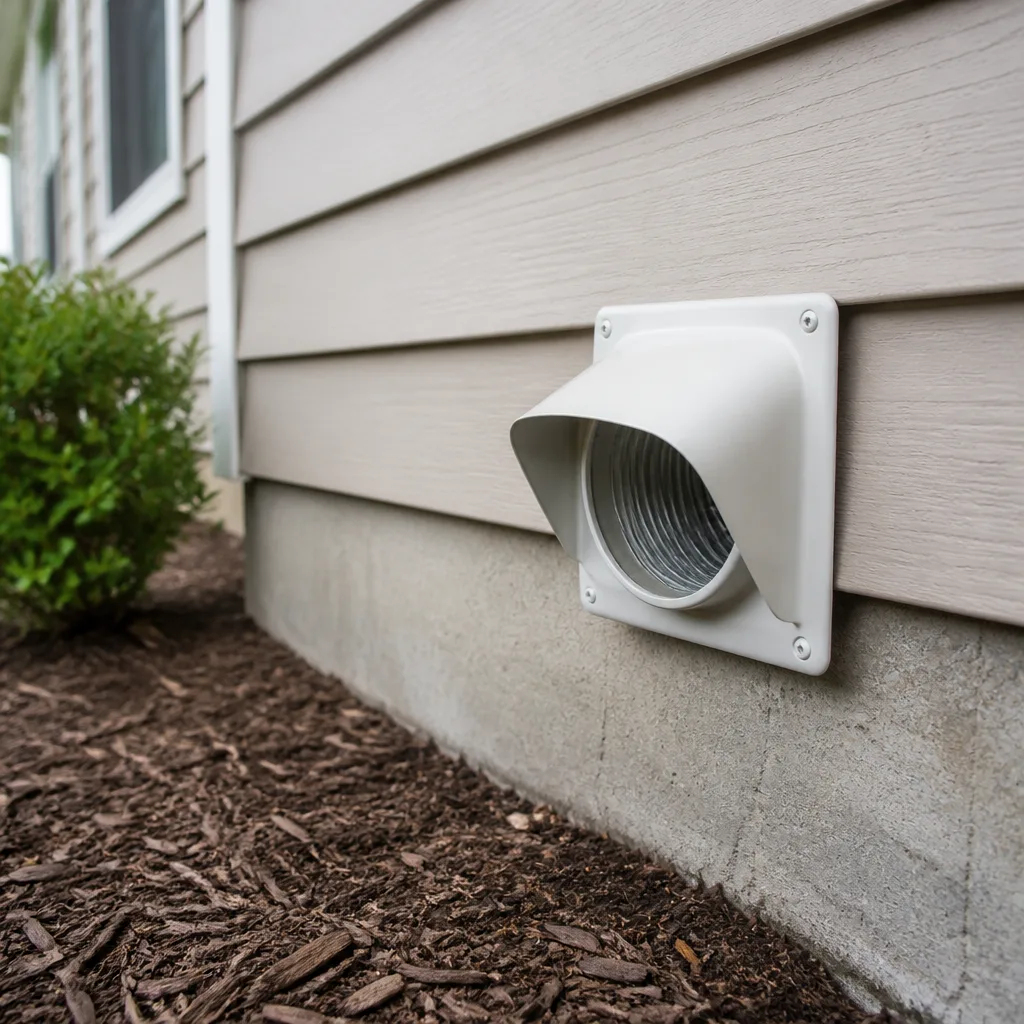 Dryer vent cleaning
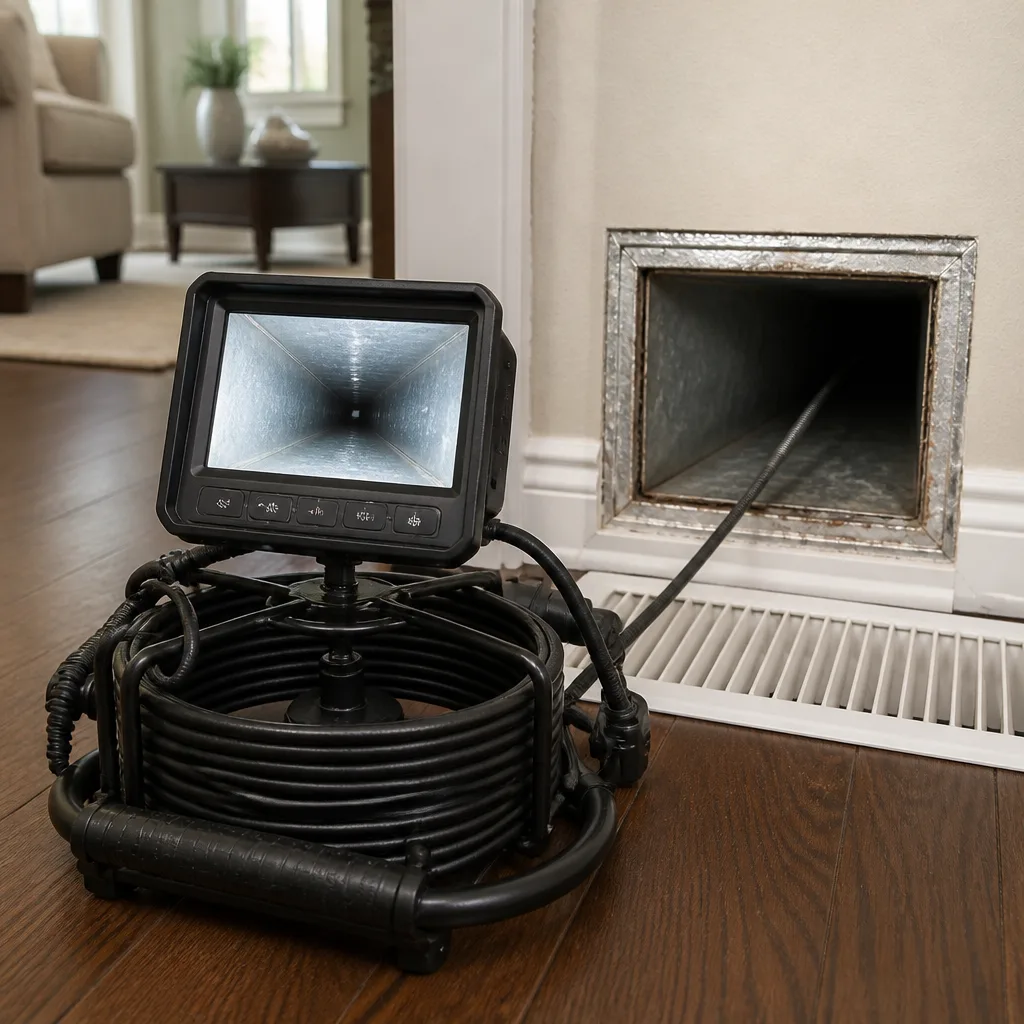 Camera inspection
 Sanitizing & deodorizing
Whole-system duct and dryer vent check with before-and-after photos - you see exactly what came out of your vents
That "$99 whole-house special" is a bait ad - the real number appears once they are in your hallway, or the "clean" is a shop-vac at the register. We photograph the inside of your ducts before and after instead.
Air Duct Cleaning Maintenance Schedule: What to Do and When
The 3-to-5-year cleaning interval you’ve seen everywhere came from a trade association generalization, not from the inside of your specific duct system. That number assumes an average house, average pets, average dust. Your home in Fullerton probably isn’t average in at least one of those categories. A household with two shedding dogs and a recent kitchen remodel loads its ducts far faster than a retired couple with a tightly filtered system. A home near active construction on a busy Fullerton street pulls in particulate that a quiet cul-de-sac never sees. This guide walks through the four variables that actually compress or stretch a cleaning timeline, how to read your filter changes as a leading indicator, and what belongs between professional visits.
Quick Answer
Most Fullerton homes should have their ducts professionally cleaned every 3 to 5 years, but that range shifts to every 2 to 3 years with pets, smoking, recent drywall work, or a diagnosed allergy or asthma in the household. Homes with none of those factors and a well-maintained filter setup can stretch toward 6 or 7 years. The right interval comes from your household’s specific inputs, not a single national number.
Styles & brands we work with
- Whole-home duct cleaning
- Dryer vent cleaning
- Camera inspection
- Sanitizing & deodorizing
Table of Contents
- The Four Variables That Set Your Real Interval
- How a Filter Log Tells You What’s Building Inside
- Fullerton-Specific Factors: Wildfire Smoke and Construction Dust
- What to Do Between Professional Cleanings
- How to Document Your System So the Next Technician Isn’t Guessing
- A Personalized Cleaning Schedule by Household Type
- Duct Material Changes the Math
- Common Mistakes to Avoid
The Four Variables That Set Your Real Interval
Four household inputs do most of the work in moving a cleaning interval away from the generic 3-to-5-year midpoint. Each one changes how fast the inside of a duct accumulates material, and each one is something you can observe in your own home without special tools.
1. Pet Load
A single short-haired cat contributes far less than two large double-coated dogs. Pet dander, hair, and the skin cells that slough off constantly become airborne and get pulled into return grates. Once inside a duct run, pet material binds to dust and settles on the duct floor, forming a mat that a filter can’t remove. In our experience, households with two or more shedding pets are the single biggest driver toward the shorter end of any interval.
2. Smoking Indoors
Smoke residue is a fine particulate that behaves differently than dust. It coats duct walls with a sticky film that traps other debris, and that film builds far faster than plain dust would. If anyone smokes inside the home, treat the cleaning interval as meaningfully shorter than the household’s other factors would suggest.
3. Recent Drywall Work
Drywall dust is one of the worst things a duct system can see. Sanding generates enormous volumes of fine gypsum powder that sails past most filters and settles deep in the returns. Any renovation that involved cutting or sanding drywall, tile work, or major floor refinishing is a trigger for a cleaning after the project wraps, regardless of when the last cleaning happened.
4. Allergy or Asthma Diagnoses
When someone in the household has a diagnosed respiratory condition, the interval compresses for a different reason: the tolerance for accumulation drops even if the accumulation rate doesn’t change. A duct system that would be acceptable in a household of healthy adults becomes a problem in a household managing allergies. This is the right moment to consider whether air quality and sanitizing belongs alongside the cleaning.
How a Filter Log Tells You What’s Building Inside
Your filter replacement schedule is the cheapest diagnostic tool you have. A filter catches what the return pulls in before it reaches the duct interior, so the rate at which a filter loads tells you something real about the dust load moving through the system. Write the replacement date on the filter edge with a marker and update a note on your phone each time you swap it. Over six to twelve months you’ll have a curve, not a guess.
What the Curve Says
- Filter lasts its full rated interval: system is running clean, and a 5-to-7 year duct interval is realistic.
- Filter needs changing two to three weeks early: moderate load. Watch it another cycle before shortening the duct interval.
- Filter clogs well before its rated life, repeatedly: the return is pulling far more debris than the filter was designed for. That’s a signal to inspect the duct interior and likely move the cleaning date up.
- Filter looks barely dirty after months: check that it’s seated correctly and that airflow is actually moving through it. A filter that isn’t loading can mean a bypass or a filter that’s too restrictive, pushing air around rather than through it.
A filter log combined with the household variables above gives you a defensible timeline. When you call to book air duct cleaning, you can hand the technician a real history instead of a rough guess about when the last filter went in. Our technicians have up to 14 years of experience reading exactly this kind of pattern.
Fullerton-Specific Factors: Wildfire Smoke and Construction Dust
Fullerton sits in a region where two local realities push debris into duct systems faster than the national average assumes. Neither one shows up in a generic maintenance guide, and both matter if you’re trying to build a schedule that fits this city rather than a national midpoint.
Wildfire Smoke Seasons
Southern California’s wildfire seasons send smoke and fine ash south and west into Orange County on the prevailing winds. When the sky goes orange and the air quality index climbs, the HVAC system keeps pulling outdoor air into the return through every gap and joint it has. Fine smoke particulate is small enough to pass most standard filters and settle on duct surfaces. A household that ran its system through a heavy smoke season has added a layer the filter log alone won’t show. Those households often need their next cleaning moved up by a year or two.
Construction and Renovation Activity
Fullerton has steady renovation churn: older homes near downtown and around the university get kitchen and bath remodels, additions, and full rehabs routinely. Every active remodel within a block or two of your home introduces concrete dust, drywall powder, and sawdust into the outdoor air that your system pulls in. If your street had a major remodel this year, assume some of that made it inside.
What to Do About It
You can’t control the wildfire season or your neighbor’s project. You can control your filter and your schedule. During heavy smoke weeks, run the system on recirculation if your thermostat allows it, and swap the filter on the shorter end of its range. After a major smoke event or a nearby renovation, add a filter change and note it on your log. If the log shows repeated early clogging after that period, move the duct cleaning up. Fullerton Air Duct Cleaning Co handles the cleaning side once the pattern is clear.
What to Do Between Professional Cleanings
The gap between professional visits is where most homeowners either protect their system or quietly undo the last cleaning. The tasks below are low-effort and take minutes, not hours. They aren’t a substitute for a professional cleaning, and they don’t excuse a household that’s overdue, but they slow accumulation and keep the register faces from becoming the visible face of a hidden problem.
Monthly Tasks
- Wipe register faces. A damp cloth on each supply and return grille takes under five minutes for a typical house. Dust that sits on a register face gets pulled into the duct on the next cycle.
- Check filter seating. Make sure the filter is fully seated with no gaps around the edges. A filter that’s slightly off its frame lets bypass air carry debris straight into the duct.
- Log the filter change date. Write it down. This is the input that makes the whole schedule work.
Seasonal Tasks
- Vacuum the return grilles with a brush attachment. A 15-minute job once or twice a year keeps the return faces from matting up. Don’t push debris into the duct through the grille; vacuum from the surface only.
- Inspect any UV lamp or air purifier installed in the system. If you have a Honeywell or Aprilaire component in the system, check that it’s powered and that any lamp is still functioning. A dead UV lamp sitting in a duct does nothing.
- Check registers in unused rooms. A closed register in an unused room still has a duct behind it. Air in that run goes stagnant and dust settles without the airflow that would keep it moving. Open the register briefly on the next cycle or plan to have that run cleaned.
- Walk the house after a heavy smoke event. Look at the filter and note anything unusual. If the filter loaded fast, log it.
Annual Tasks
- Compare the year’s filter log against the previous year. A household whose filter changes are getting shorter has a trend worth acting on.
- Consider a filter upgrade. Moving from a basic fiberglass filter to a pleated filter with a higher MERV rating catches more fine particulate at the return. Don’t overshoot, because a filter that’s too restrictive starves the system; a Honeywell or Aprilaire filter matched to your system’s airflow is the right starting point.
- Have the duct system inspected. A camera inspection once a year or every other year shows what the inside of the duct actually looks like, not what the register suggests. If the last cleaning is more than two years old and the household has any of the four variables above, this is worth doing.
How to Document Your System So the Next Technician Isn’t Guessing
A cleaning that isn’t documented becomes a cleaning no one can verify next time. Every technician who arrives at a system with no history starts from scratch: unknown duct material, unknown last-clean date, unknown scope. You can change that in about fifteen minutes by keeping a simple record after each service.
What to Keep
- The written estimate and scope of work. Note what was cleaned, sealed, or sanitized. “Full cleaning” means different things to different companies.
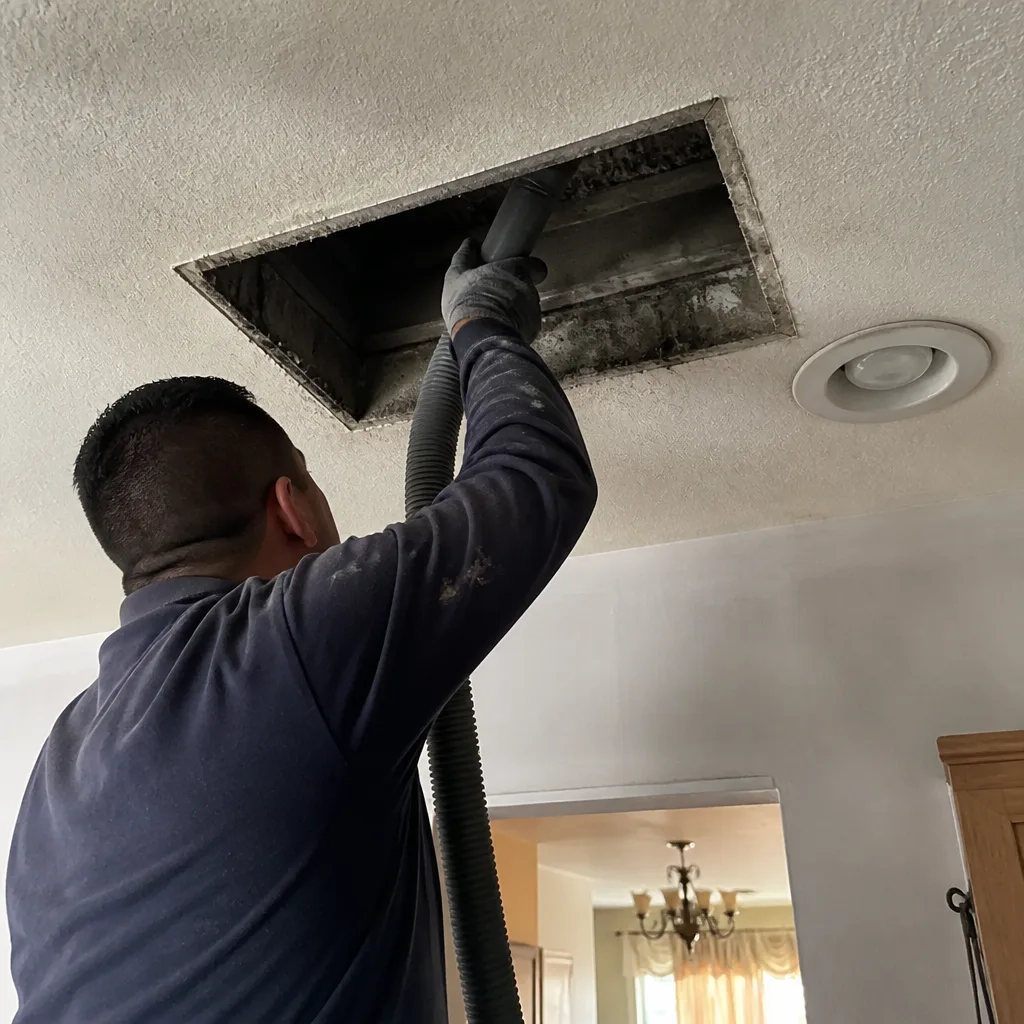
- Before-and-after photos. Any professional job should produce these. Ask for them, and save them. A next technician can compare a new inspection against your saved photos instead of guessing at baseline condition.
- The date of service and the duct material encountered. Rigid metal, flex duct, and ductboard each age and accumulate debris differently, and knowing what’s installed matters for what comes next.
- The filter log. If you started a filter log, keep it. This is your schedule’s backbone.
- Any repair or sealing done. A sealed joint today is a known-good joint next year. A leaky joint that gets sealed is worth noting because it changes the debris load.
Where to Keep It
A folder in the same place you keep the HVAC equipment manual works. So does a notes file on your phone. Photograph the estimate and save it in that folder before the technician leaves. When you call for the next cleaning, whether with Fullerton Air Duct Cleaning Co or another company, the technician should be able to read the scope from last time and pick up where it left off. That’s a professional handoff. Without the folder, the next visit is a re-discovery.
A Personalized Cleaning Schedule by Household Type
Use this as a starting point, not a rule. Each row assumes the household has none of the other variables at play; two or more variables stack and push you toward the shorter interval.
- No pets, no smoking, no recent renovation, no allergies: professional cleaning every 5 to 7 years. Filter change on its rated interval. Annual filter log review.
- One pet, otherwise average household: professional cleaning every 4 to 5 years. Filter check every month, replace on the shorter end of its range if it loads early.
- Two or more shedding pets: professional cleaning every 2 to 3 years. Filter changes likely land early. Annual inspection worth doing.
- Any indoor smoking: professional cleaning every 2 to 3 years. Filter changes on the shorter range. Consider a filter upgrade toward a higher MERV pleated filter.
- Recent drywall or major renovation: clean after the project, regardless of prior schedule. Then reset the clock from the project’s end date.
- Diagnosed allergy or asthma in the household: professional cleaning every 2 to 3 years, with attention to the duct material and any dust issue found during inspection. Consider pairing the cleaning with a filtration upgrade.
- Heavy wildfire smoke season passed through: move the next cleaning up by one to two years from your previous estimate.
Duct Material Changes the Math
Duct material determines how debris behaves once it’s inside a run, and it changes how often the system needs professional attention. Rigid metal duct has smooth walls that let debris slide to low points and settle in a predictable pattern. Flex duct has corrugated interior walls that trap material against the ridges, and once a flex run loads up, it’s harder to clean thoroughly. Ductboard has a porous interior surface that holds fine particulate and, in older homes, can degrade. If your house is older or you’ve added onto a system over the years, you may have a mix of materials. A camera inspection shows what’s actually installed in the runs you can’t see.
If the inspection turns up separated joints, crushed sections, or gaps around fitting connections, that matters more than the cleaning schedule. A leaky duct pulls air from unconditioned spaces: attic air, garage air, or crawlspace air, all carrying debris the filter never sees. That’s why duct repair and sealing belongs in the same visit as the cleaning, not a separate job months later. We offer duct repair and sealing in-house specifically so a found problem gets fixed on the same call.
Common Mistakes to Avoid
- Treating the 3-to-5-year number as a rule. It’s a midpoint, not a schedule. A household with pets and a recent renovation that waits five years is overdue by a wide margin. Match your interval to your inputs, not to a national average.
- Cleaning the ducts without checking the filter setup. A poorly seated filter, or one that’s too restrictive for the system, sends bypass air carrying debris into the ducts. Cleaning without fixing the filter setup means the buildup restarts immediately.
- Hiring a cleaning crew without asking what equipment they’re bringing. A consumer-grade shop vac attachment is not the same tool as a professional truck-mounted or portable system. In Fullerton’s older housing stock, duct runs vary widely in shape and access, and only proper equipment reaches every run.
- Cleaning the ducts and ignoring a musty odor. Smell is a signal that something more than dust is in the system. Musty odor after a cleaning usually points to moisture or microbial growth that the cleaning missed, or to a duct material that needs sealing. Ask what the company’s sanitizing step actually covers.
- Letting the register faces do the talking. A clean-looking register can sit in front of a loaded duct, and a dirty-looking register can sit in front of a clean one. Judge by inspection, not by surface dust.
- Cleaning once and considering the system done. The maintenance schedule is the point. A cleaning without a filter log, without a saved scope, and without a replacement date is a one-time event, not a plan.
- Skipping the dryer vent. The dryer vent is a separate system with its own maintenance timeline and a safety case that’s independent of duct cleaning. A household that’s calling for dryer vent cleaning and a duct cleaning together gets both systems on the same maintenance calendar, and the technician handles both in one visit.
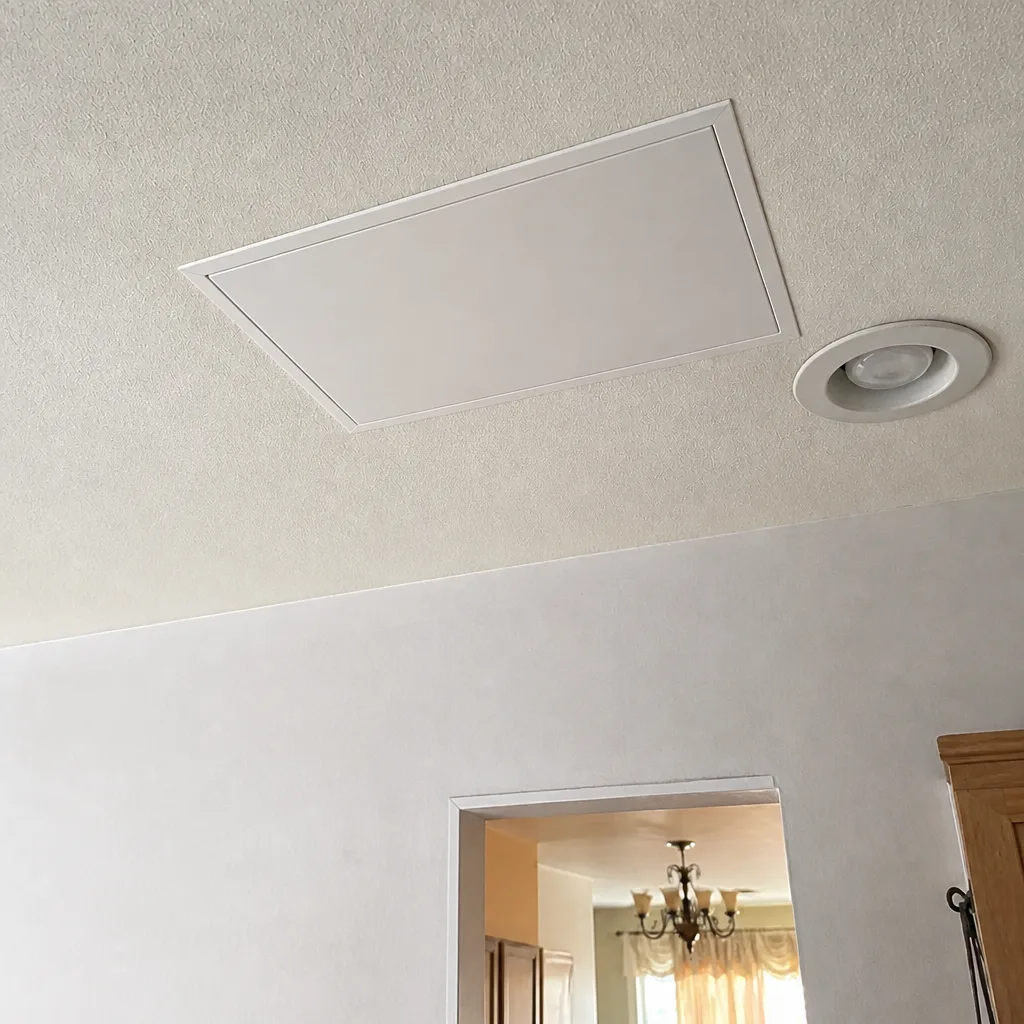
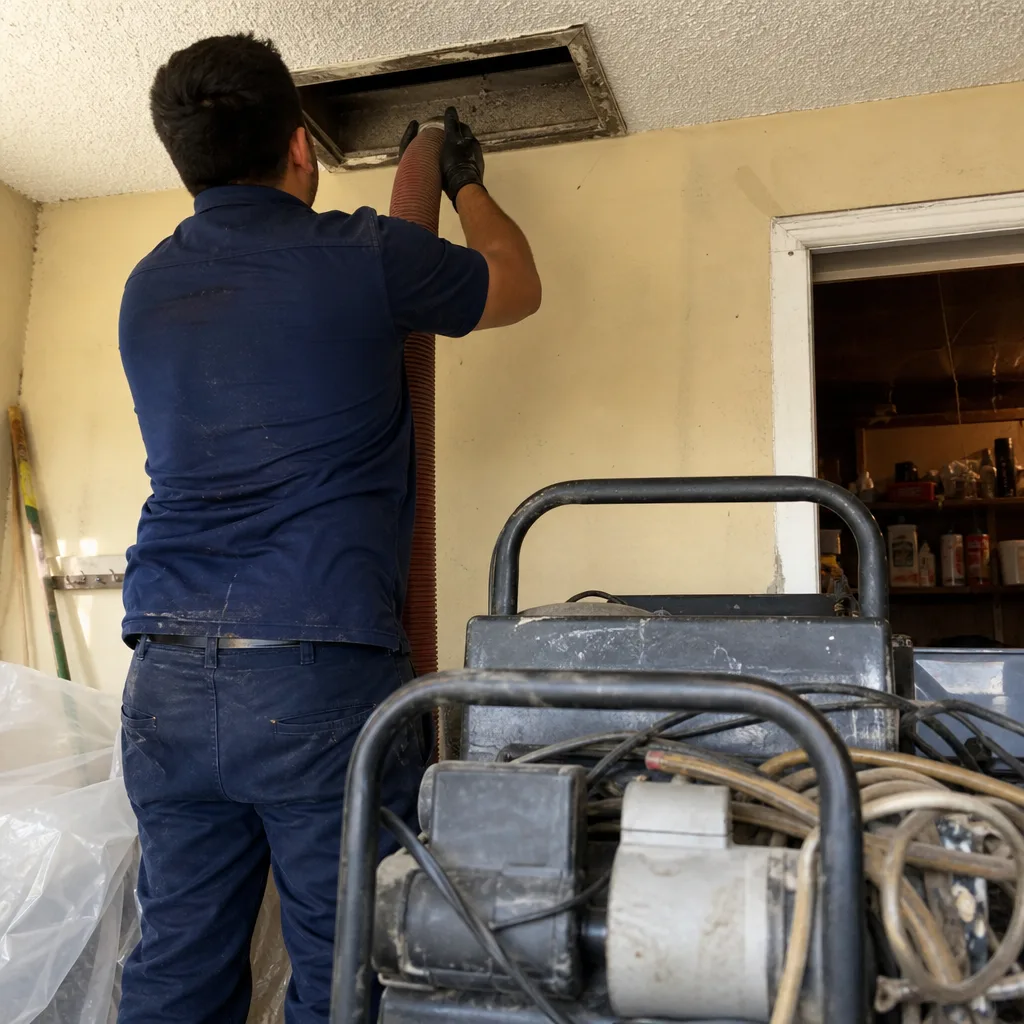
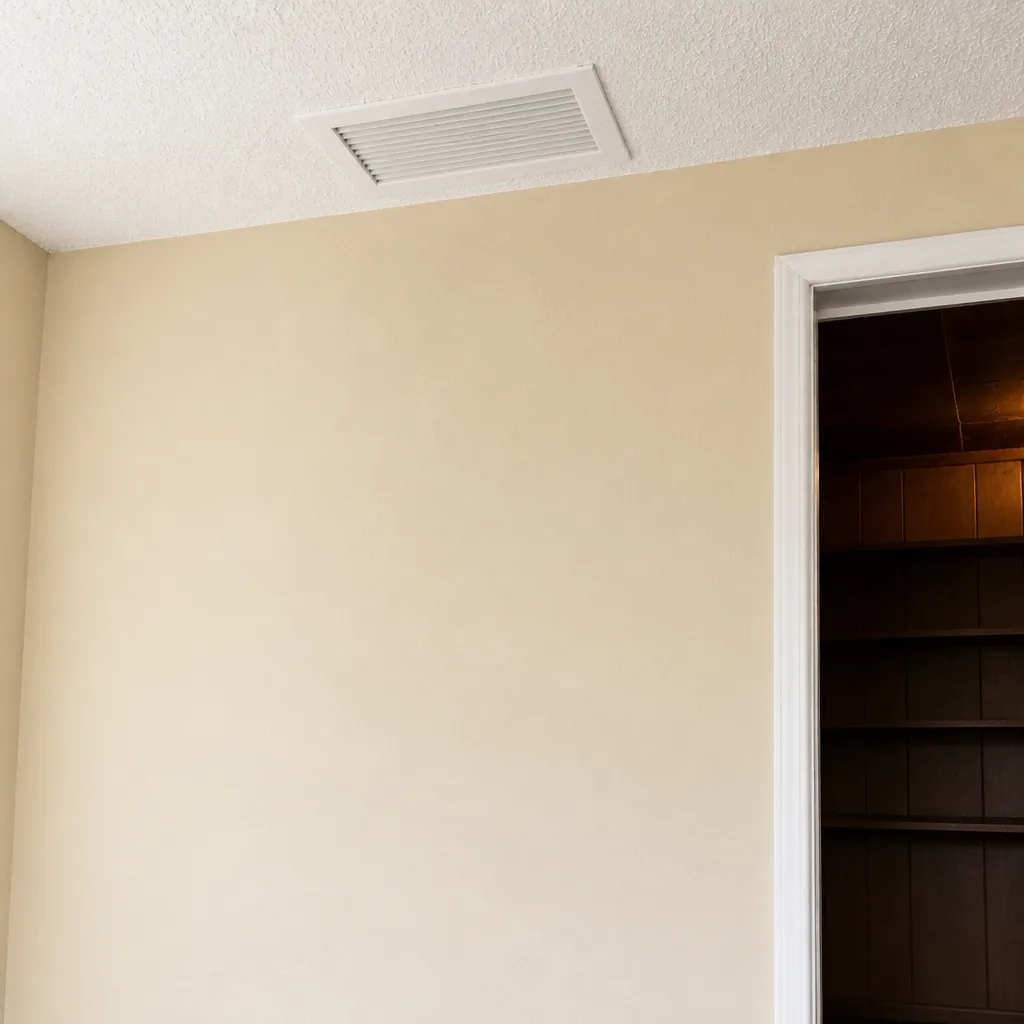
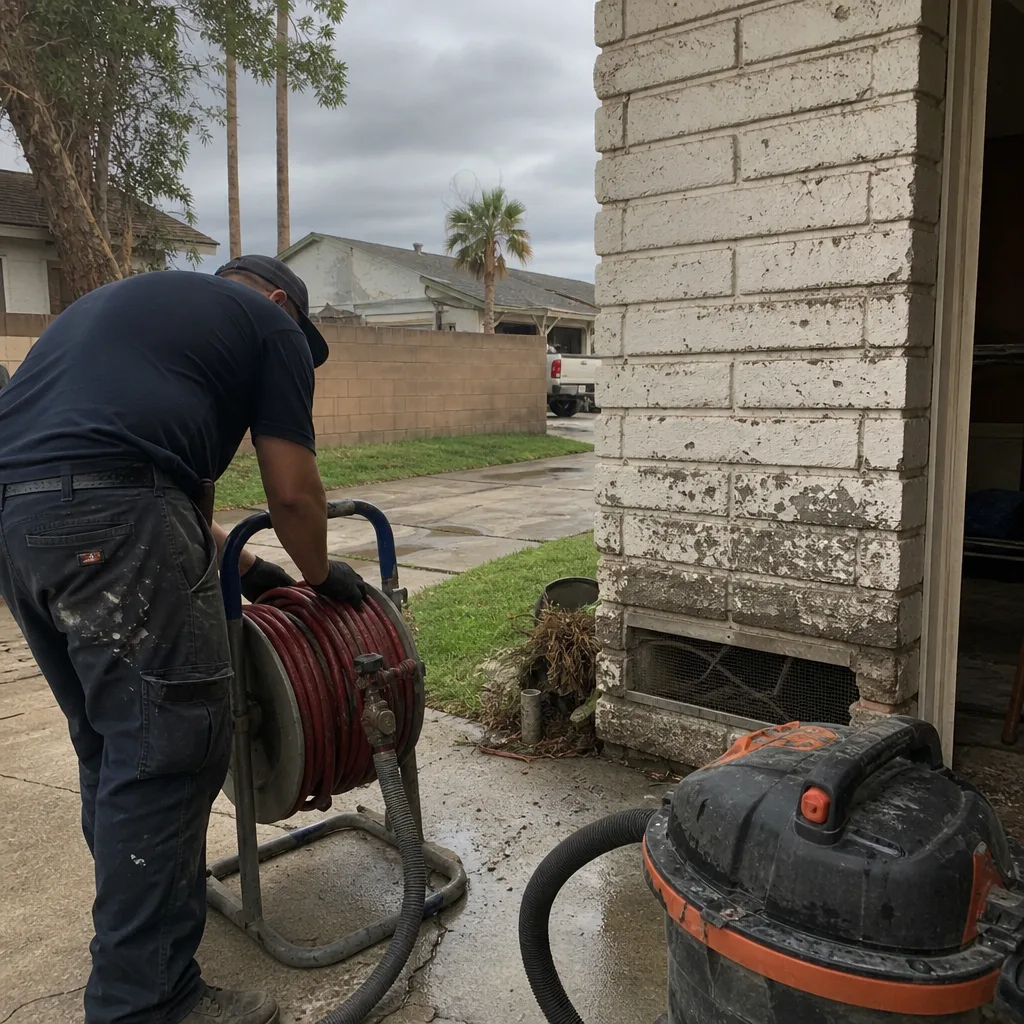
See the difference
 Before
 After
 Before
 After
 Before
 After
When to Call a Professional
Some situations warrant calling a professional before the schedule says so. Call now if registers show visible dust streaking or dark residue that returns within days of wiping, if there’s a musty or smoky odor in the air whenever the system runs, if a renovation just finished and produced heavy drywall dust, if a household member’s allergy symptoms track with system cycles, or if the filter log shows repeated early clogging. Call also if the system has never been inspected and you don’t know the duct material, or if a previous cleaning left no documentation. Fullerton Air Duct Cleaning Co offers free estimates in Fullerton. Call (877) 792-5884. We answer 24/7. Fast dispatch from 7am to 7pm, Sunday through Friday. The local pro who arrives is licensed and insured as their state requires, and the price is set per job by a written estimate before any work starts. We can also work with your insurer if a loss affects the system.
Frequently Asked Questions
Most Fullerton homes should have their air ducts professionally cleaned every 3 to 5 years, with that range moving to every 2 to 3 years for households with pets, indoor smoking, recent drywall work, or a diagnosed allergy or asthma. Homes with none of those factors and a well-maintained filter setup can stretch the interval toward 6 or 7 years. The right number is set by your household’s inputs, not a national midpoint. Call (877) 792-5884 for an exact quote: estimates are free.
Yes. Southern California wildfire seasons send fine smoke and ash into Orange County, and the HVAC system pulls that particulate into the return with the air it circulates. A heavy smoke season typically moves the next cleaning up by a year or two, especially in households that ran the system through the events. Change the filter on the shorter end of its range during heavy smoke weeks, and tell your technician which seasons were worst when you book.
Watch your filter log and your registers. If the filter is clogging well before its rated life on repeated cycles, if visible dust returns within days of wiping the register faces, or if a musty or smoky odor tracks with system cycles, the interval has shortened. A camera inspection shows what the inside of the ducts actually looks like. Call (877) 792-5884 for an exact quote: estimates are free.
Air duct cleaning covers the duct runs and registers; HVAC cleaning covers the equipment itself, including the air handler, coils, and blower where dust and debris accumulate. The two are done together when the house warrants it, because cleaning the ducts while the air handler is dirty just re-loops debris back into the runs. Most households should have both assessed at the same visit. Call (877) 792-5884 for an exact quote: estimates are free.
Yes. Any renovation that involved cutting or sanding drywall, major tile work, or floor refinishing sends fine gypsum and stone dust into the return, and most filters don’t catch it. Clean the ducts after the project wraps regardless of when the last cleaning happened, then reset the maintenance clock from the project’s end date. Tell the technician what was cut and sanded so they know what to look for.
Ask for before-and-after photos of your own ducts and a written scope of work that names what was cleaned, sealed, or sanitized. Save both in a folder with the service date. Any professional visit should leave you with documentation you can hand to the next technician so the comparison is based on baseline rather than guesswork. If a company won’t show you what came out and what went in, find one that will. Call (877) 792-5884 for an exact quote: estimates are free.
The Bottom Line
The 3-to-5-year duct cleaning interval is a midpoint, not a schedule. Your real interval is set by four inputs: pets, indoor smoking, recent renovation dust, and diagnosed allergies or asthma, plus two Fullerton-specific factors that push accumulation faster than the national average assumes (wildfire smoke seasons and nearby construction activity). A filter log turns the guesswork into a curve you can read, and a saved folder of estimates and before-and-after photos means the next technician compares against a baseline rather than starting from scratch. Get the schedule right and then stick to it. That’s the whole maintenance program. Everything else is detail.
Fullerton Air Duct Cleaning Co handles the full lifecycle: cleaning, repair, sealing, and sanitizing, with professional-grade equipment from Rotobrush, Nikro, Honeywell, Aprilaire, Abatement Technologies, and Guardsman. To get a free estimate and build a cleaning schedule around your household, visit Fullerton Air Duct Cleaning Co or call (877) 792-5884. We answer 24/7. Fast dispatch from 7am to 7pm, Sunday through Friday.
Written by the team at Fullerton Air Duct Cleaning Co.