
Last updated November 25, 2026
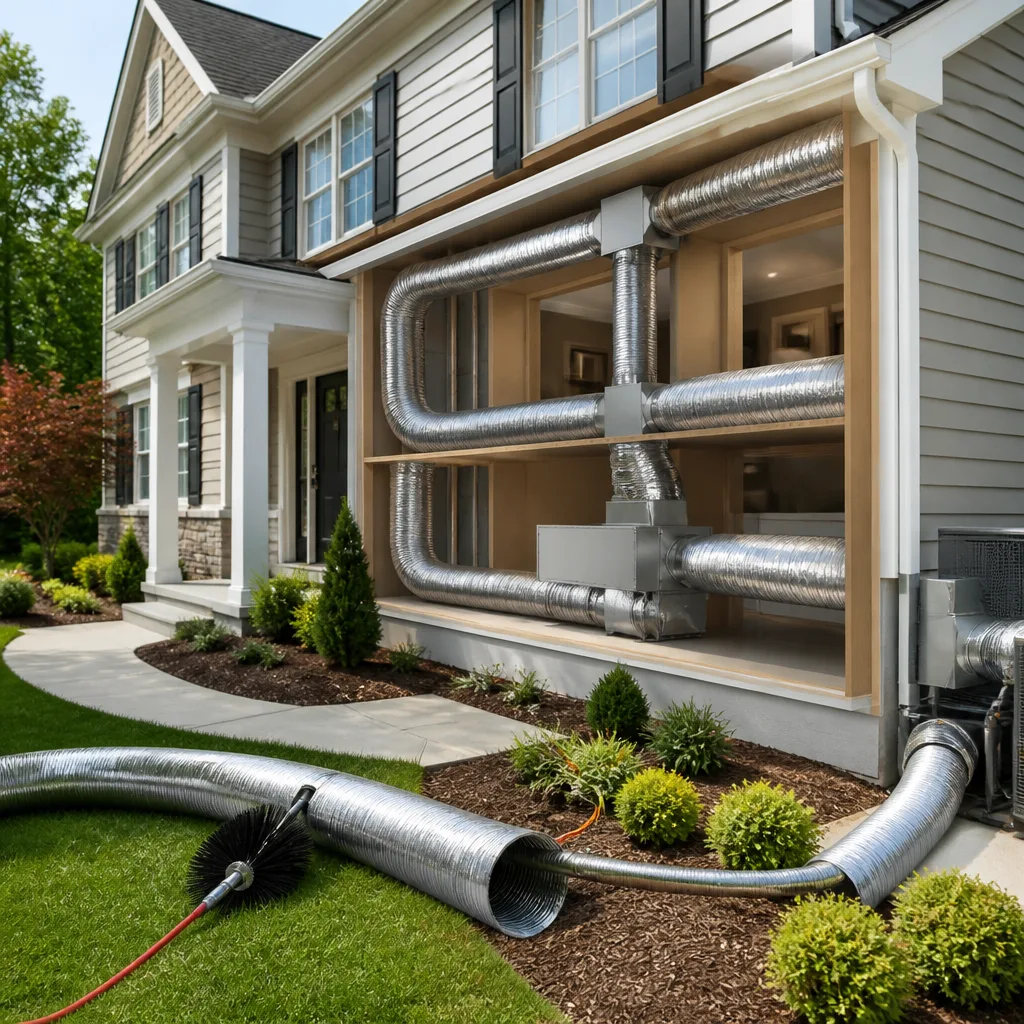 Whole-home duct cleaning
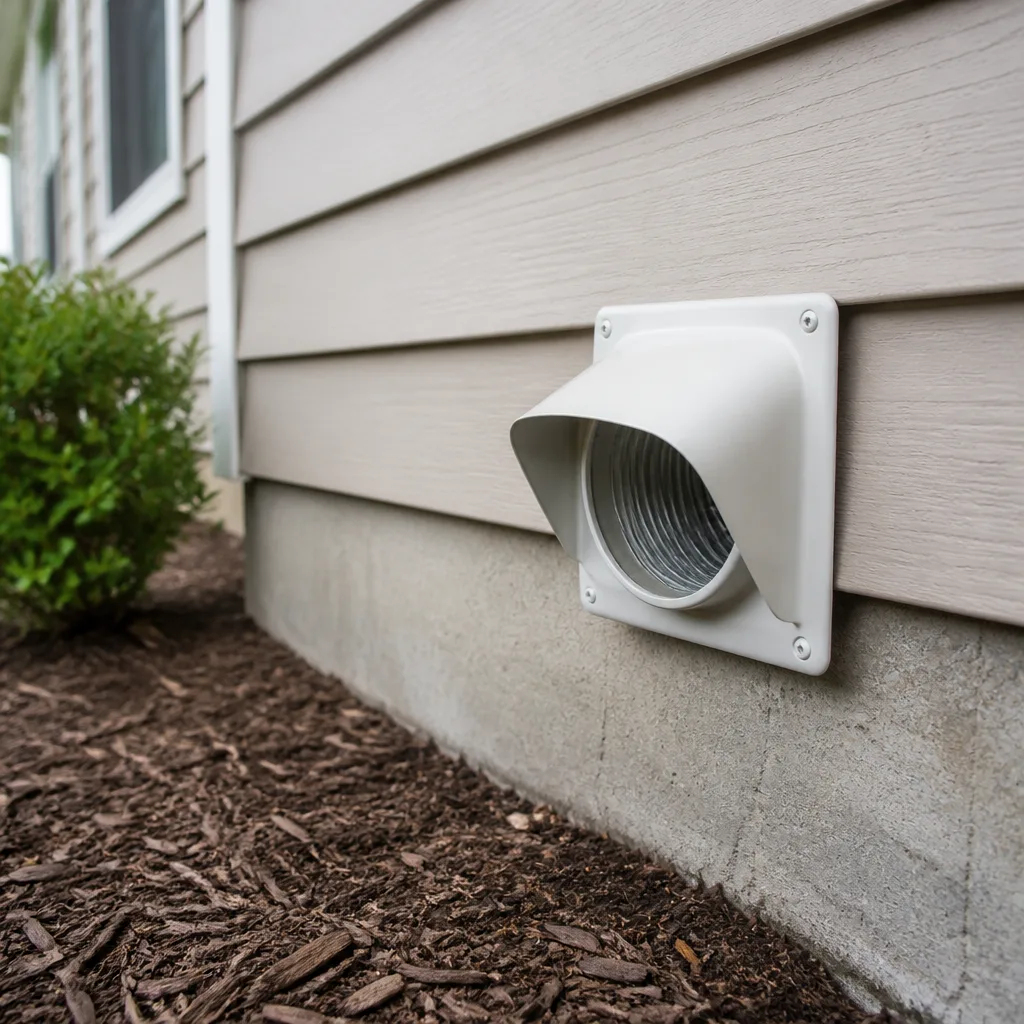 Dryer vent cleaning
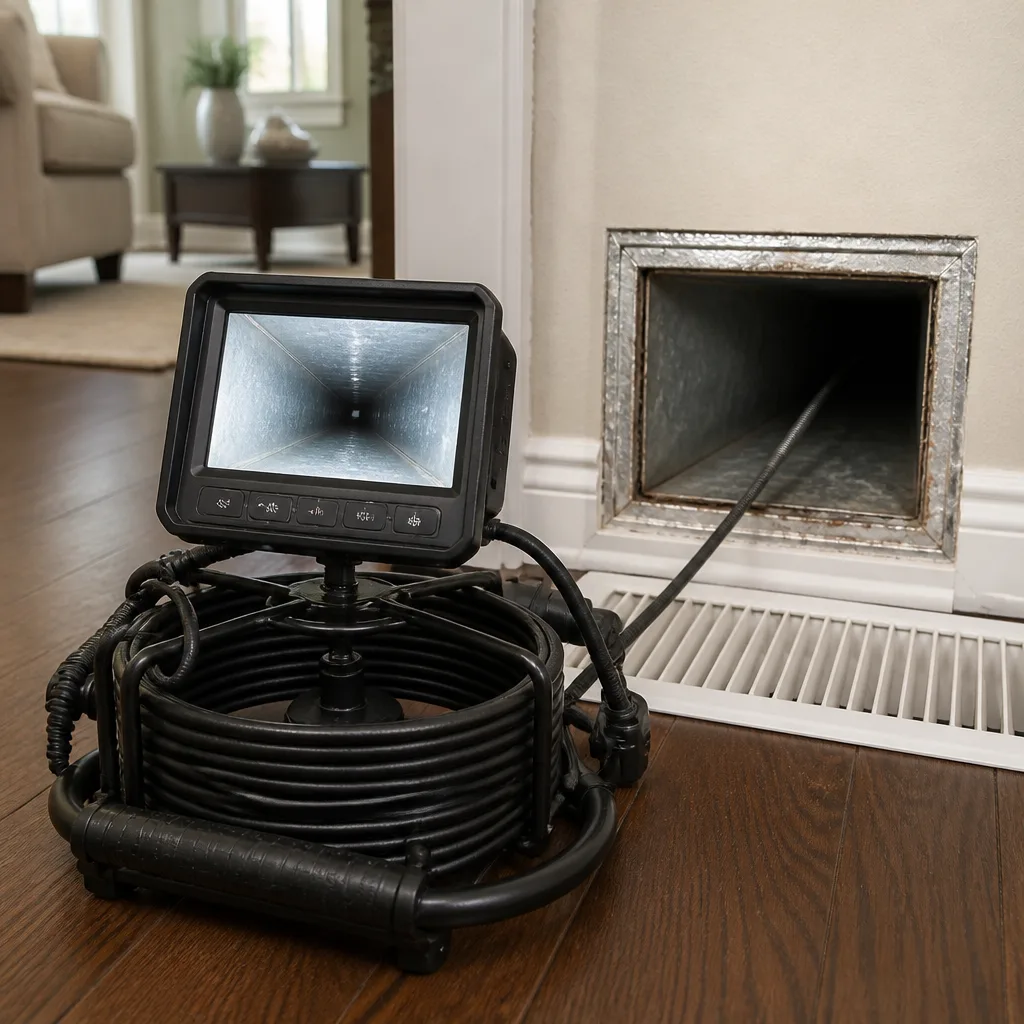 Camera inspection
 Sanitizing & deodorizing
Whole-system duct and dryer vent check with before-and-after photos - you see exactly what came out of your vents
That "$99 whole-house special" is a bait ad - the real number appears once they are in your hallway, or the "clean" is a shop-vac at the register. We photograph the inside of your ducts before and after instead.
Air Duct Cleaning Emergency Preparedness Guide for Fullerton Homes
After a wildfire smoke event, your duct system may be the last contaminated surface you think to address, and the first one to re-expose your family every time the air handler runs. Most Fullerton homeowners prepare for the earthquake kit and the evacuation route, then forget the one system that touches every room in the house. This guide covers what actually happens to your ductwork and HVAC equipment after smoke, seismic movement, water intrusion, or a long power outage, and the order to handle each one. You’ll get a clear sequence for the first 48 hours, the inspection points that matter most, and the documentation an insurer will ask for. Fullerton sits in a region where all four of these events are realistic, so the protocol is worth knowing before you need it.
Quick Answer
After a smoke, seismic, water, or outage event, your duct system needs inspection before you resume normal HVAC runtime. If wildfire smoke was involved, fine particulate has likely settled inside the ducts and needs HEPA-grade extraction rather than standard agitation. If water entered the system, you have roughly 48 hours before biological growth can begin. If the ground moved, flex connections, plenum seals, and air handler mounting should be checked before the system runs at full load. Getting the order right protects both your indoor air and your insurance claim.
Styles & brands we work with
- Whole-home duct cleaning
- Dryer vent cleaning
- Camera inspection
- Sanitizing & deodorizing
Table of Contents
- Wildfire Smoke Protocol: Why HEPA-Grade Extraction Matters
- Post-Earthquake Duct Inspection: What Seismic Movement Does
- Water Intrusion: The 48-Hour Window in Your Ductwork
- Power Outage and System Restart: Inspect Before You Run
- What to Do in What Order: A Post-Emergency Sequence
- Emergency Documentation Checklist for Insurance Claims
- Pre-Season Preparedness: What to Do Before Anything Happens
- Common Mistakes to Avoid
Wildfire Smoke Protocol: Why HEPA-Grade Extraction Matters
Wildfire smoke doesn’t behave like ordinary household dust. The particulate that travels hundreds of miles from a fire is fine enough to stay suspended for days and fine enough to pass through a standard filter and settle deep inside duct runs. When the air handler cycles back on, that settled material lifts and recirculates. A standard duct cleaning that agitates debris with brushes and a shop-grade vacuum can actually make things worse in the short term by throwing fine particulate into the airstream faster than a weak vacuum can capture it.
Proper post-smoke work needs HEPA-grade extraction with enough airflow to hold what it loosens. That’s why the equipment matters more in a smoke event than in routine maintenance. Rotobrush and Nikro systems are built for this: controlled agitation inside the run combined with negative pressure that captures fine particulate at the source rather than letting it migrate into living space. Abatement Technologies equipment gives us the additional containment capability that contamination and fine-particulate jobs demand.
For a Fullerton home after a regional smoke event, the sequence usually looks like this:
- Replace the HVAC filter before any cleaning, not after. A loaded filter limits airflow and undermines extraction.
- Seal supply and return registers that aren’t part of the active cleaning zone so loosened particulate can’t drift into those rooms.
- Run HEPA-grade extraction through the full duct system, supply and return, working from the farthest runs back toward the air handler.
- Clean the air handler cabinet, blower, and coil area, since smoke particulate collects on wet coils and blower blades.
- Sanitize the system where contamination warrants it, using products rated for HVAC interior surfaces.
- Install a fresh filter and confirm airflow at each register before signing off.
One detail Fullerton homeowners often miss: smoke smell lingering after a cleaning usually traces to the evaporator coil and the filter housing, not the ducts themselves. If the odor returns within a few days, the coil and cabinet are the places to check. This is also why we treat HVAC cleaning as part of post-smoke work rather than an optional add-on. Cleaning the ducts without cleaning the equipment leaves the source in place.
Post-Earthquake Duct Inspection: What Seismic Movement Does
Duct systems are more vulnerable to ground movement than most homeowners expect, because the connections are where flexibility lives and where failures show up first. The rigid components (the air handler, the main trunk, the plenum) don’t move much. The flexible connections between them do. A moderate quake can leave a system that looks fine from the outside with a disconnected flex run, a cracked plenum seal, or an air handler that has shifted on its pad.
These aren’t cosmetic problems. A disconnected supply run dumps conditioned air into a crawlspace or attic instead of the room. A cracked plenum seal pulls attic or garage air into the system and delivers it to the living space. An air handler that has shifted can put stress on the refrigerant lines and condensate drain, which sets up a water problem that shows up weeks later.
After a seismic event, check these points before running the system at full load:
- Flex duct connections at the plenum and at each boot. Look for separation, crushed sections, or duct strap that has pulled loose.
- Plenum seams and mastic. Hairline cracks at the transition from the air handler to the trunk are common after movement and are a direct path for unfiltered air.
- Air handler mounting. Confirm the unit still sits level on its pad or platform and hasn’t shifted against the cabinet or the refrigerant lines.
- Condensate drain line. A shifted unit can kink or disconnect the drain, which turns into water intrusion inside the cabinet.
- Registers and grilles. Ceiling registers that have pulled loose or shifted usually point to movement in the run behind them.
- Return air path. Check that the return chase is still sealed and hasn’t opened at a joint.
If you find separation or a compromised seal, the repair is straightforward: reconnect, reseal with mastic or approved tape, and pressure-check the run. We handle duct repair and sealing as part of our own service so the fix happens on the same visit as the inspection rather than waiting on a separate contractor. That matters more after an event, when everyone in Fullerton is trying to schedule the same work at once. If you suspect damage but aren’t sure what you’re looking at, see our guide to air duct cleaning for what a proper inspection includes.
Water Intrusion: The 48-Hour Window in Your Ductwork
Water inside a duct system starts a clock. In our experience, biological growth in ductwork can begin within roughly 48 hours of moisture exposure given the warm conditions common in a Fullerton attic or crawlspace. That window is the reason water intrusion is the one post-disaster scenario where waiting for “a convenient time” costs more than acting. The visible water gets noticed; the moisture that soaked into duct liner and insulation often doesn’t.
There are two main ways water gets into Fullerton ducts. The first is a roof or ceiling leak above a duct run in the attic, often after a winter storm front moves through. The second is air conditioner condensate: a clogged drain pan line or a failed float switch lets water back up into the cabinet and, in bad cases, into the ductwork itself.
What to do if you suspect water in the system:
- Turn the system off at the thermostat. Running it pushes moist air through the whole house and spreads the problem.
- Find and stop the water source first. Roof leak, drain line, or condensate pan. Cleaning ducts before the leak is fixed just repeats the job.
- Document everything with photos before any drying begins. Insurers will ask.
- Dry the affected area. Duct liner and insulation that stayed wet generally need replacement rather than drying in place.
- Have the affected runs inspected for growth before the system is put back into service.
- Sanitize the system after remediation, using products rated for duct interior surfaces.
The Graybeal Park and Orangethorpe corridor homes we see tend to have older flex duct in the attic, and that material is less forgiving of moisture than modern alternatives. If yours is original to the house, a water event is a reasonable trigger for replacement rather than repair. This is also the scenario where Abatement Technologies containment equipment earns its place: contamination work has to be contained, not just cleaned.
Power Outage and System Restart: Inspect Before You Run
An extended power outage leaves a house in a strange state, and the HVAC system is no exception. During the outage, the house builds humidity. Ducts that were cool sit and sweat. The condensate pan may fill if the drain is partially blocked. When power comes back, most homeowners flip the thermostat and assume everything is fine. It usually is. But the failure cases are worth knowing because they’re expensive when they happen.
Before resuming normal runtime after an extended outage, do a quick check:
- Look at the air handler cabinet for standing water. If there’s water in the pan or cabinet, address it before the blower runs.
- Check the filter. A filter that was near end of life before the outage has no reserve left. Change it.
- Confirm the condensate drain is clear. A drain that clogged during the outage will overflow once the system runs.
- Listen at the air handler for a moment after the thermostat calls for cooling. A short cycle or a hard start is worth investigating before you leave it running.
- Check registers in each room for airflow. A run that’s not delivering air after the restart may have a damper or connection issue.
If the outage was long and the weather was hot and humid, it’s worth having the system inspected before a full season of runtime, especially if the equipment is older. What we find, we can fix – and catching a small issue at restart is far cheaper than catching it mid-summer. If you’ve had an outage and want the system checked, call (877) 792-5884. We answer 24/7 and schedule fast dispatch from 7am to 7pm, Sunday through Friday.
What to Do in What Order: A Post-Emergency Sequence
The single most common error after an event is doing the cleaning first and the inspection second. Cleaning a damaged system wastes the cleaning; the sealed or reconnected system still has to be verified. Here’s the order we recommend for any post-emergency scenario in Fullerton, whichever event was involved.
- Secure the water source or the immediate hazard first. Roof leak, condensate overflow, or an electrical issue at the air handler. Nothing else matters until the source is dealt with.
- Document the condition of the system before touching it. Photos of the air handler, the visible ductwork, and any water damage. This is the record your insurer will want.
- Inspect for damage. Flex connections, plenum seals, air handler mounting, and the condensate drain. Note what’s compromised.
- Repair and seal what’s damaged. Reconnect separated runs, reseal plenum seams, and repair water-damaged sections. Cleaning a leaking system is a waste of the service.
- Clean the system. Full-system extraction with HEPA-grade equipment, including the air handler, blower, and coil. This is the point where Rotobrush and Nikro systems do their work.
- Sanitize where contamination warrants it. Smoke, water intrusion, and mold concerns all justify sanitizing after cleaning.
- Verify and document the result. Before-and-after photos, airflow confirmation at the registers, and a written record of what was done.
For a routine service visit, our dryer vent cleaning follows the same inspection-first logic: we look before we clean, because lint build-up in a damaged vent is a different problem from lint build-up in a sound one. Post-emergency work is the same principle applied to a bigger scope.
Emergency Documentation Checklist for Insurance Claims
Insurance claims involving HVAC and duct contamination are won or lost on documentation. The adjuster can’t see what you saw. A complete file makes the difference between a straightforward reimbursement and a drawn-out dispute. Gather these items after any event that touches your HVAC or duct system:
- Date and time of the event, and a short written description of what happened.
- Photos of the damage at every stage: before any cleaning, after cleaning, and after any repair. Wide shots and close-ups.
- Photos of water damage specifically, with a measurement or object for scale where possible.
- The HVAC equipment information: make, model, and age from the data plate on the air handler.
- Service records for the system dating to before the event, if you have them.
- Filter photos and receipts showing filter maintenance history.
- The written estimate and final invoice from the duct cleaning or repair company, itemized by service.
- Before-and-after photos of the duct interior, which a professional service should provide as part of its own record.
- Any contractor notes on the condition of the system before and after the work.
One item that’s easy to forget: a written record of what was ruled out. If the inspector confirmed the ducts were sound and the problem was the coil, that finding belongs in the file. What we find, we can fix – and what we find gets documented, which is what your insurer is looking for.
Pre-Season Preparedness: What to Do Before Anything Happens
The best time to deal with an emergency is before it arrives. For Fullerton homeowners, that means a small amount of preparation once a year, ideally before fire season and before the first significant winter storm front. None of it is expensive, and all of it shortens the recovery if something does happen.
- Know your system. Locate the air handler, the main trunk, and the filter. Note the filter size. Photograph the data plate.
- Keep a spare filter on hand sized for your system, so a post-event filter change doesn’t wait on a store run.
- Note the location of roof vents and attic duct runs so you know where to check first after a storm.
- Test the condensate float switch annually or have it checked during routine service.
- Have the ducts inspected before smoke season so any existing leaks or damaged connections are repaired before they matter.
- Keep a simple emergency file with your HVAC equipment information and prior service records in the same place as your insurance paperwork.
The core insight is simple: a duct system that’s already sealed and in good repair handles an event far better than one with pre-existing leaks. A leak that’s been there for years is a leak that will pull smoke or moisture into the system during the next event. That’s why we treat the full lifecycle as one service – clean, repair, seal, sanitize – rather than a menu. The right tools change what’s possible, and planning changes how much of an emergency anything actually is.
Common Mistakes to Avoid
- Running the system immediately after a smoke event. If fine particulate has settled in the ducts, running the air handler lifts it into the living space. Turn the system off and have it inspected first.
- Using a shop vac or consumer-grade vacuum on duct interior. A weak vacuum agitates more than it captures, which spreads fine particulate rather than removing it. HEPA-grade extraction with professional equipment is a different process.
- Cleaning ducts before fixing the leak or the damage. A cleaning followed by the same leak is the same problem twice. Stop the source, repair the damage, then clean.
- Waiting on water intrusion. The 48-hour window for biological growth inside ductwork isn’t a marketing line; it’s a real reason a wet system needs attention quickly. Waiting for a convenient week can turn a repair into a replacement.
- Skipping the air handler and coil. Post-smoke and post-water odors often live on the coil and in the cabinet, not the ducts. Cleaning the ducts and leaving the equipment untouched doesn’t solve the problem.
- Not documenting before cleaning. Photos taken before any work begins are worth far more to an insurer than photos taken afterward. Once the ducts are clean, the “before” state is gone.
- Assuming an outage left everything fine. A quick check of the condensate pan, filter, and airflow after a long outage takes minutes and prevents a much larger problem on the first hot day back.
See the difference
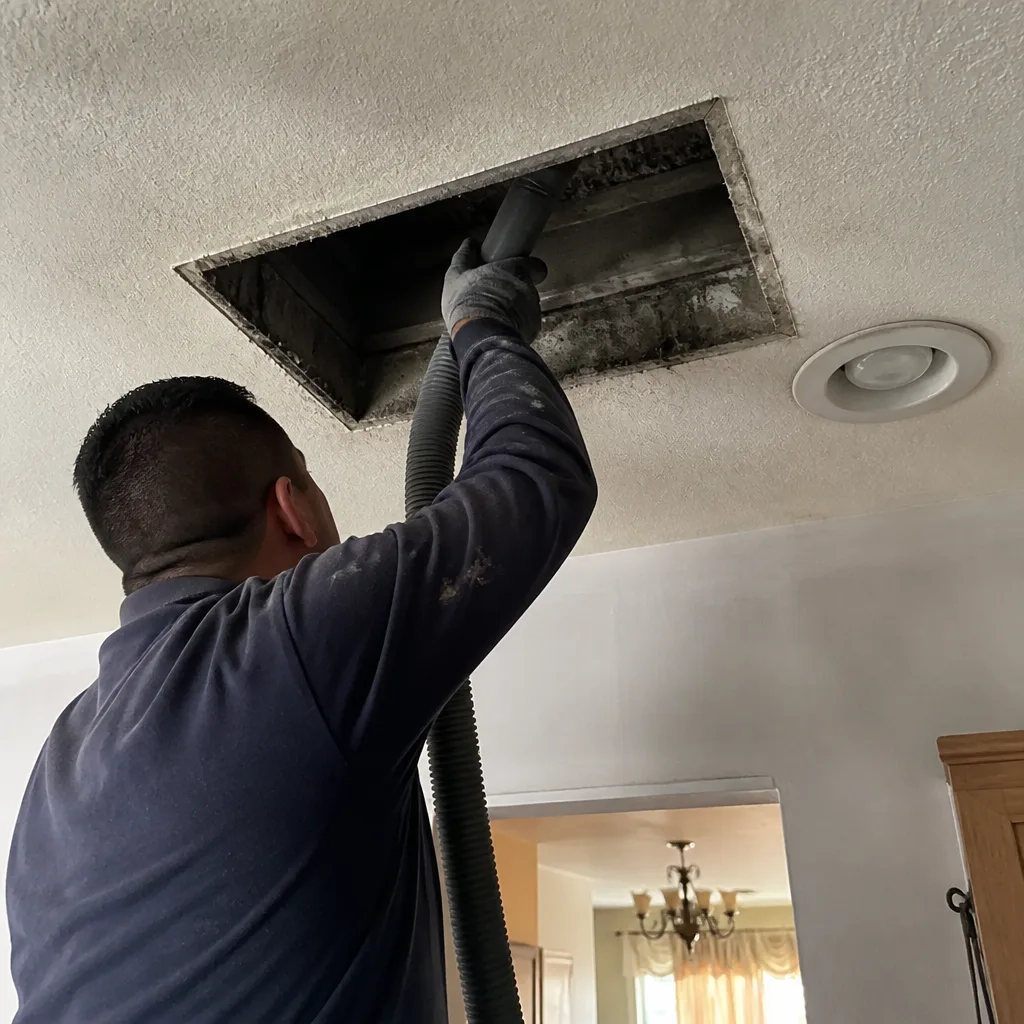 Before
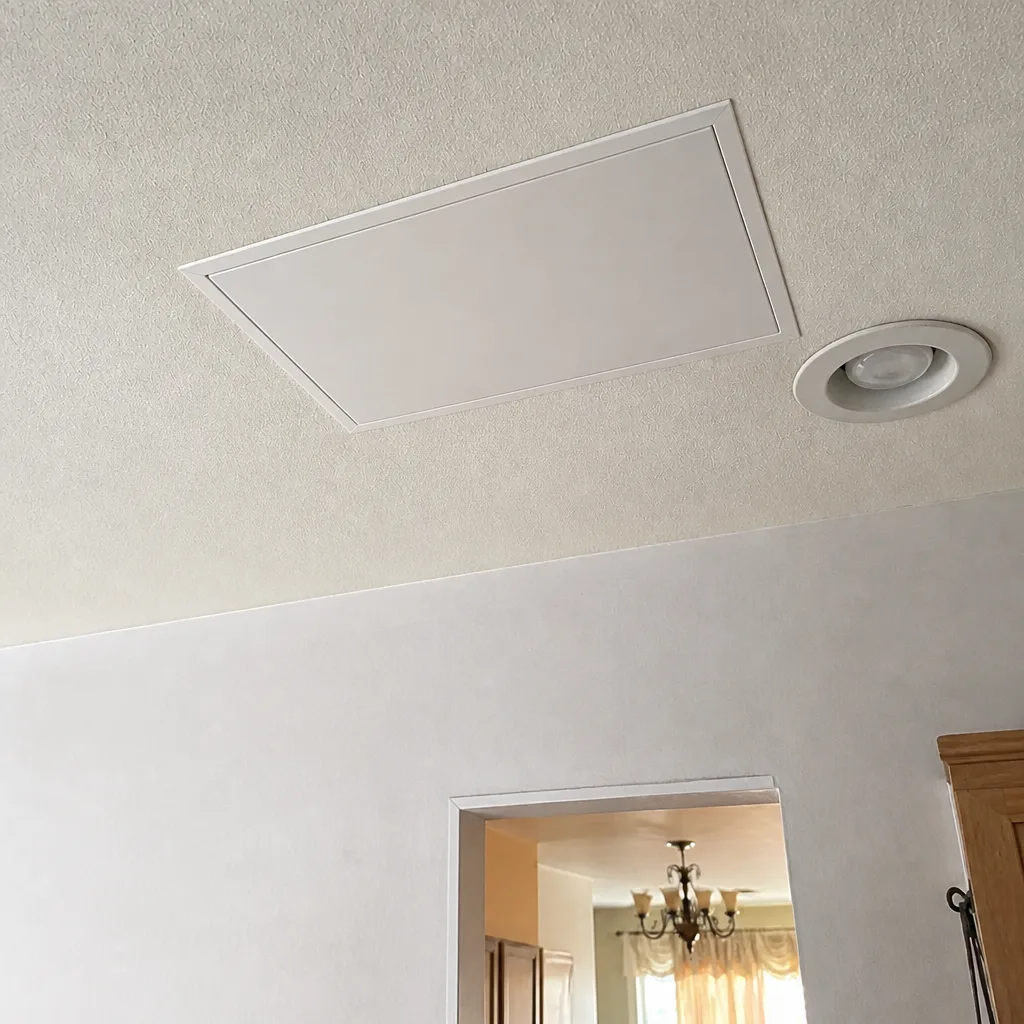 After
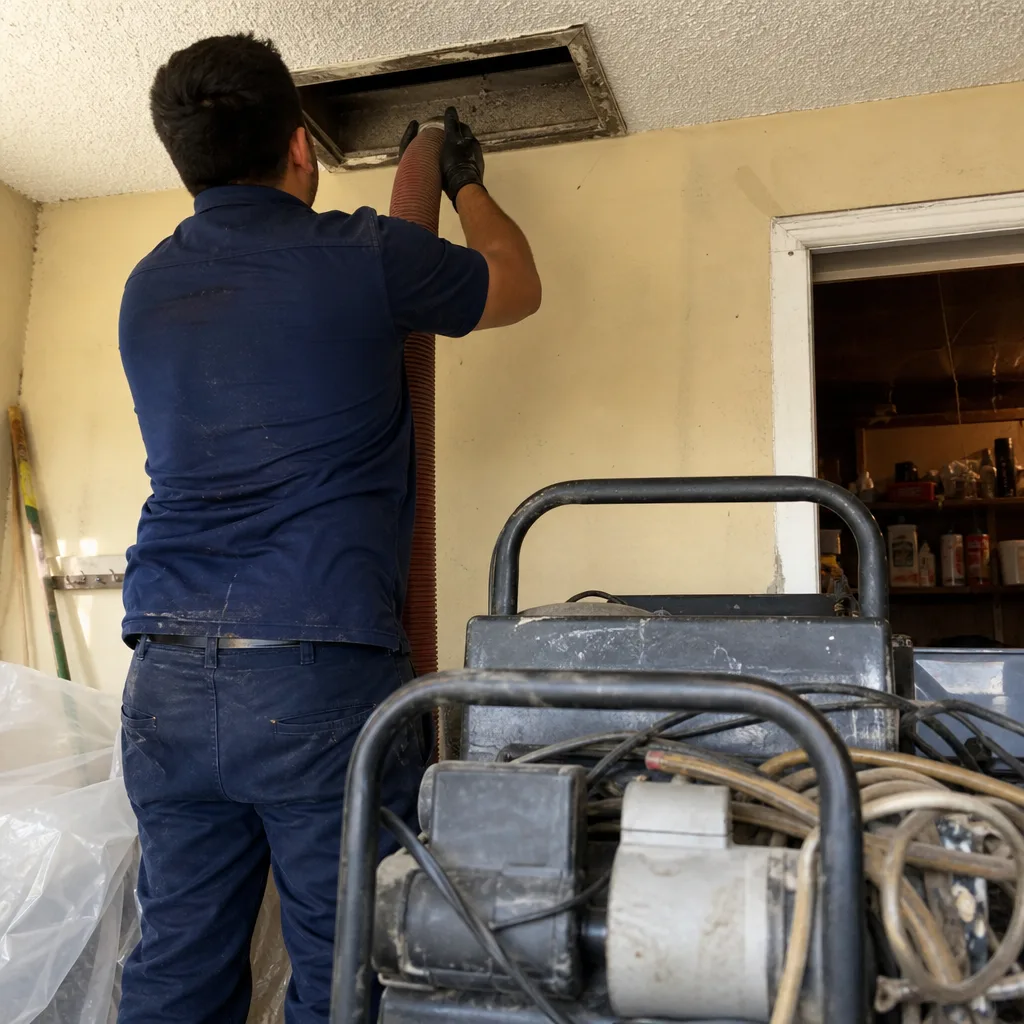 Before
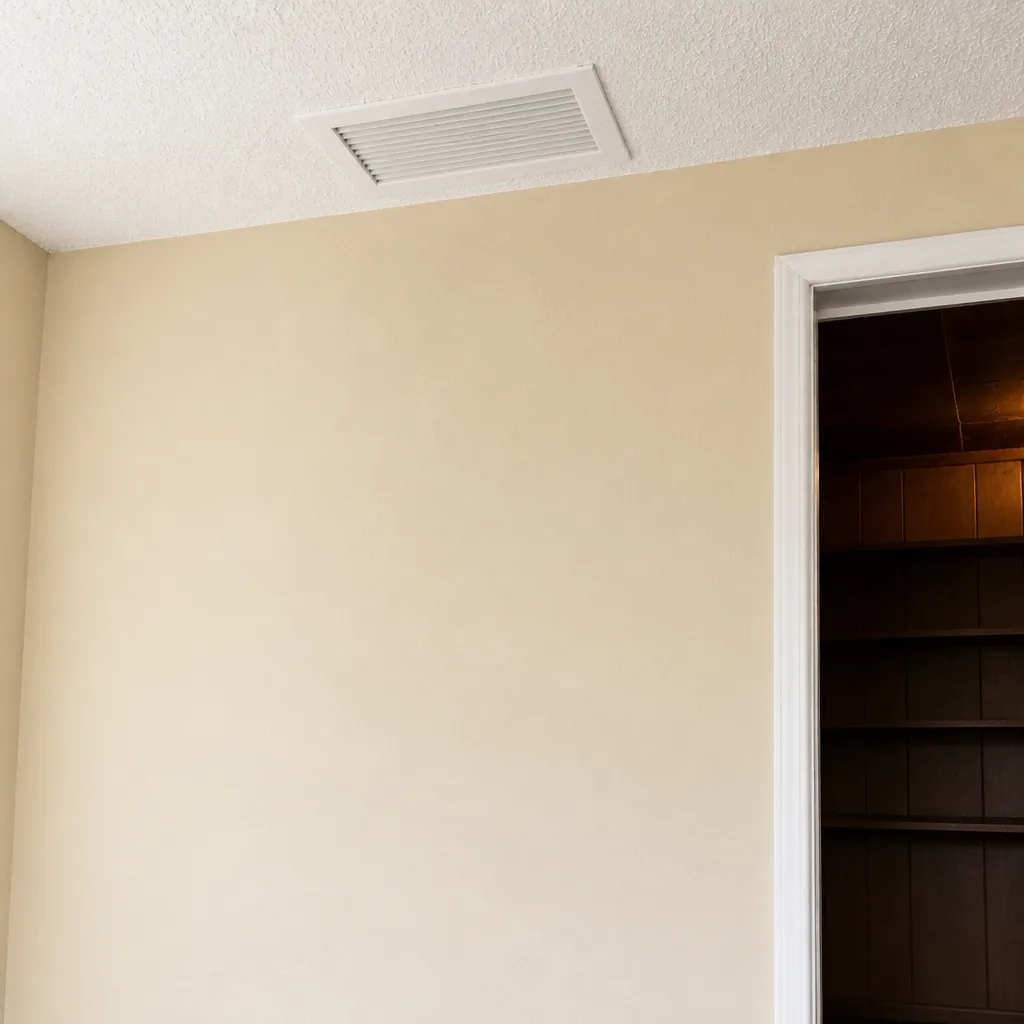 After
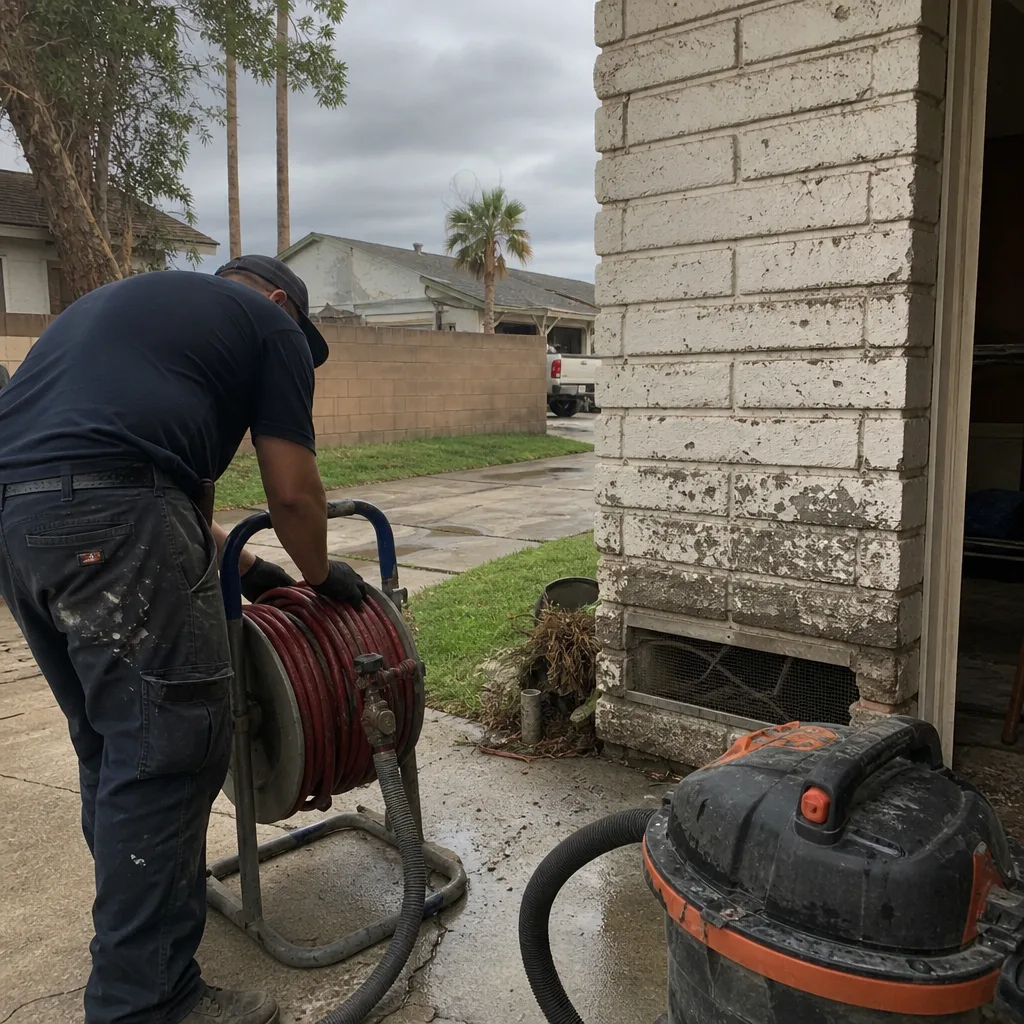 Before
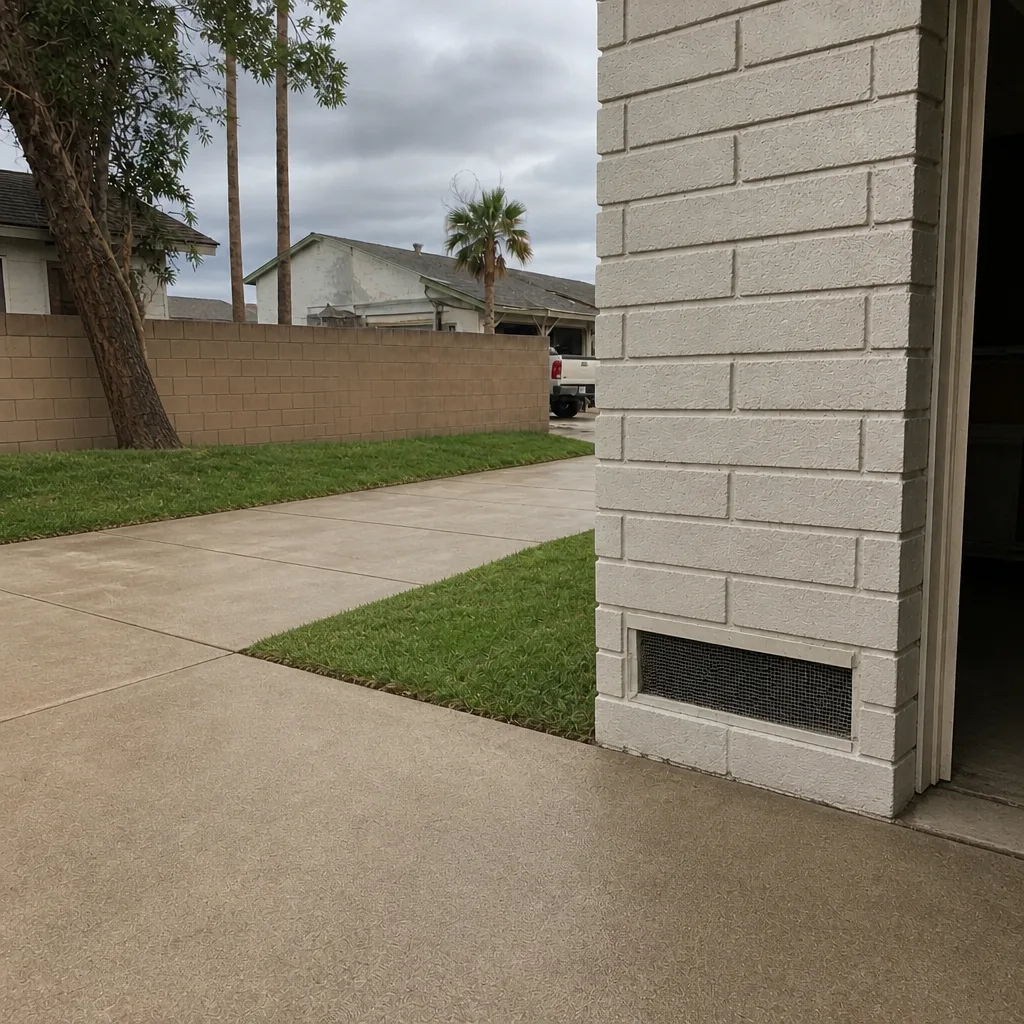 After
When to Call a Professional
Call a professional after any smoke, seismic, water, or extended-outage event if you notice standing water in or around the air handler, musty odor from supply registers, visible separation or crushed flex duct, or a system that doesn’t deliver air to every room. Call as well if the event involved wildfire smoke that lingered for days and the system hasn’t been cleaned since, or if you’re putting together an insurance claim and need documented before-and-after evidence of the system’s condition. Fullerton Air Duct Cleaning Co offers free estimates in Fullerton. Call (877) 792-5884. We answer 24/7, with fast dispatch from 7am to 7pm, Sunday through Friday. A written estimate sets the price per job before any work begins.
Frequently Asked Questions
Have the system inspected within the first few weeks after a significant smoke event, and cleaned if fine particulate is found in the ducts or on the coil. The sooner the better; settled particulate stays in the system until it’s extracted, and each time the air handler runs, some of it re-enters the living space. Call (877) 792-5884 for a free estimate.
Not always. Fine smoke particulate requires HEPA-grade extraction with strong negative pressure to capture it at the source rather than agitating it into the air. Rotobrush and Nikro systems are built for that, and Abatement Technologies containment equipment helps when the concern is fine particulate and contamination. A standard agitation-and-vacuum service may not be sufficient after a heavy smoke event.
In our experience, roughly 48 hours of moisture exposure in warm conditions is enough for biological growth to begin in ductwork. That’s why a wet system should be addressed quickly: stop the water source, dry or replace the affected runs, and inspect for growth before the system goes back into service. Call for a free estimate if you’re unsure what you’re dealing with.
Check flex duct connections at the plenum and each boot, plenum seams and mastic, air handler mounting, and the condensate drain line. Any separation, crushing, or shifted component is worth repairing before the system runs at full load. A cracked seal or disconnected run can pull attic or garage air into the living space.
Coverage depends on your policy and the event. What we can do is give you what an adjuster will ask for: photos of the system before and after cleaning, an itemized written estimate, the equipment data plate information, and documented findings. Gather those before work begins and keep them together.
Usually, yes, and typically the system is fine. But check for standing water in the condensate pan, confirm the drain is clear, and change the filter if it was near end of life before the outage. If the system short-cycles or a room has no airflow after the restart, have it looked at rather than letting it run. Call (877) 792-5884 for a free estimate.
The Bottom Line
Your duct system is the one part of the house that touches every room and the last part most Fullerton homeowners think to check after an emergency. The order is what matters: secure the source, document the condition, inspect for damage, repair and seal, then clean and sanitize. Wildfire smoke needs HEPA-grade extraction, water intrusion has a roughly 48-hour clock, and seismic movement shows up at flex connections and plenum seals first. Keep the documentation an insurer will ask for, and have the system inspected before the next event rather than after. Professional-grade equipment and a full lifecycle service make the difference between a handled problem and a repeating one.
If you’ve had an event and want a real inspection with documented findings, we’re ready to help. Our technicians have up to 14 years of experience, and we work with professional-grade equipment from Rotobrush, Nikro, Honeywell, and Aprilaire, plus Abatement Technologies containment gear for contamination work. Call Fullerton Air Duct Cleaning Co at (877) 792-5884 for a free estimate. We answer 24/7. Fast dispatch from 7am to 7pm, Sunday through Friday.
Written by the team at Fullerton Air Duct Cleaning Co.