
Last updated November 25, 2026
 Whole-home duct cleaning
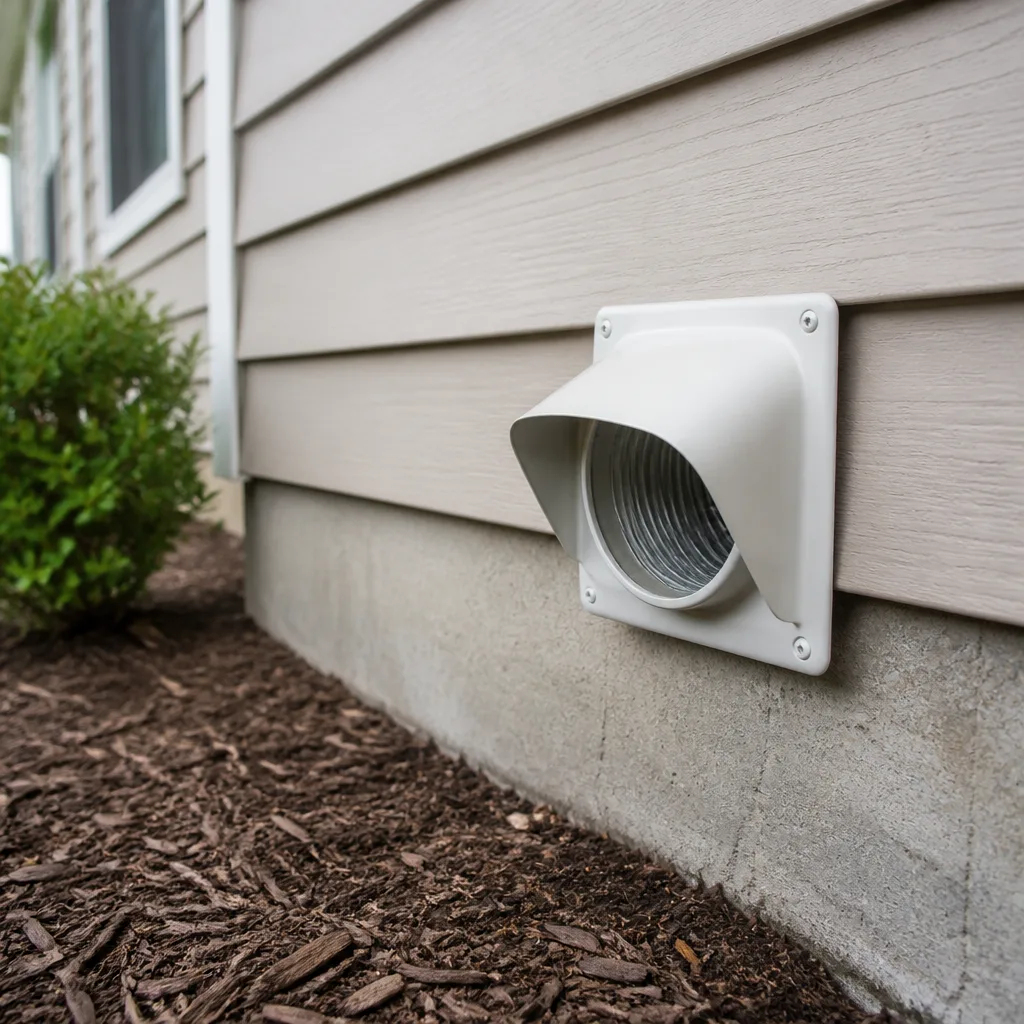 Dryer vent cleaning
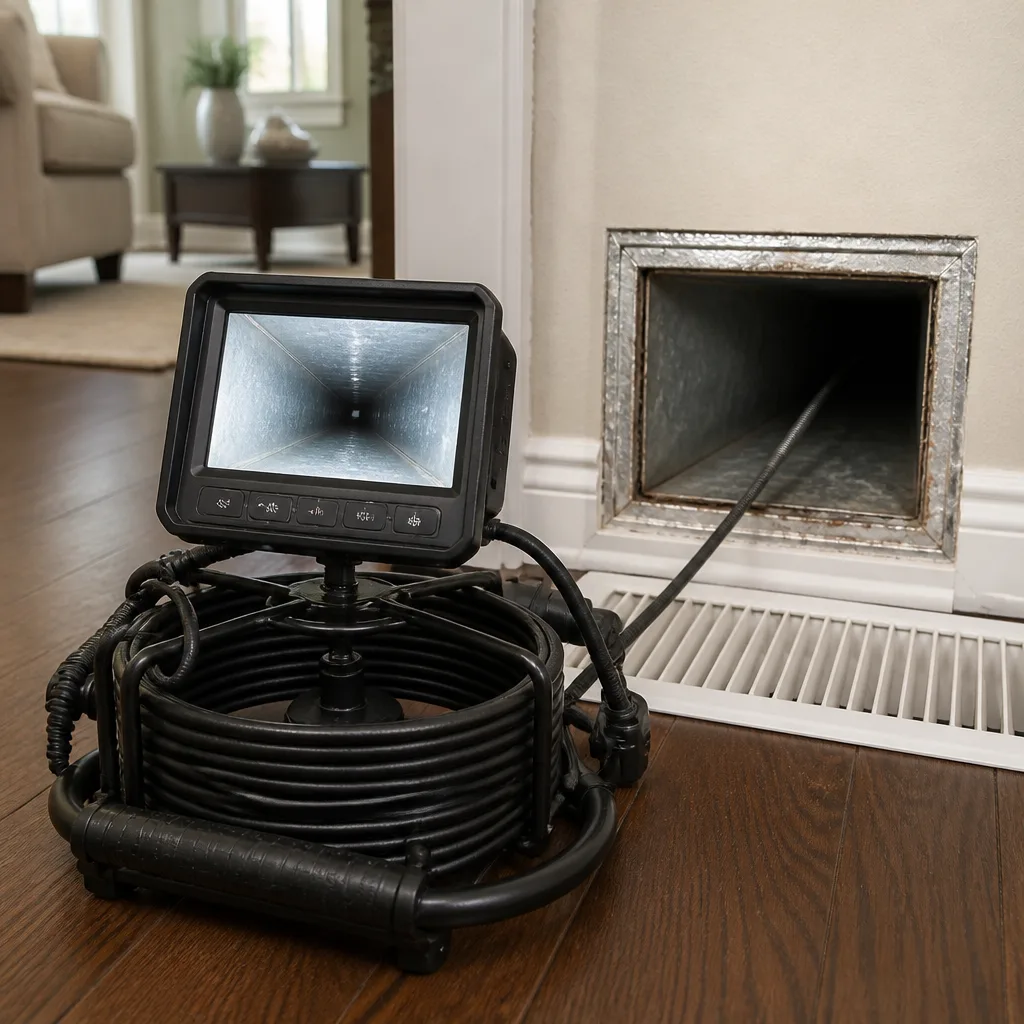 Camera inspection
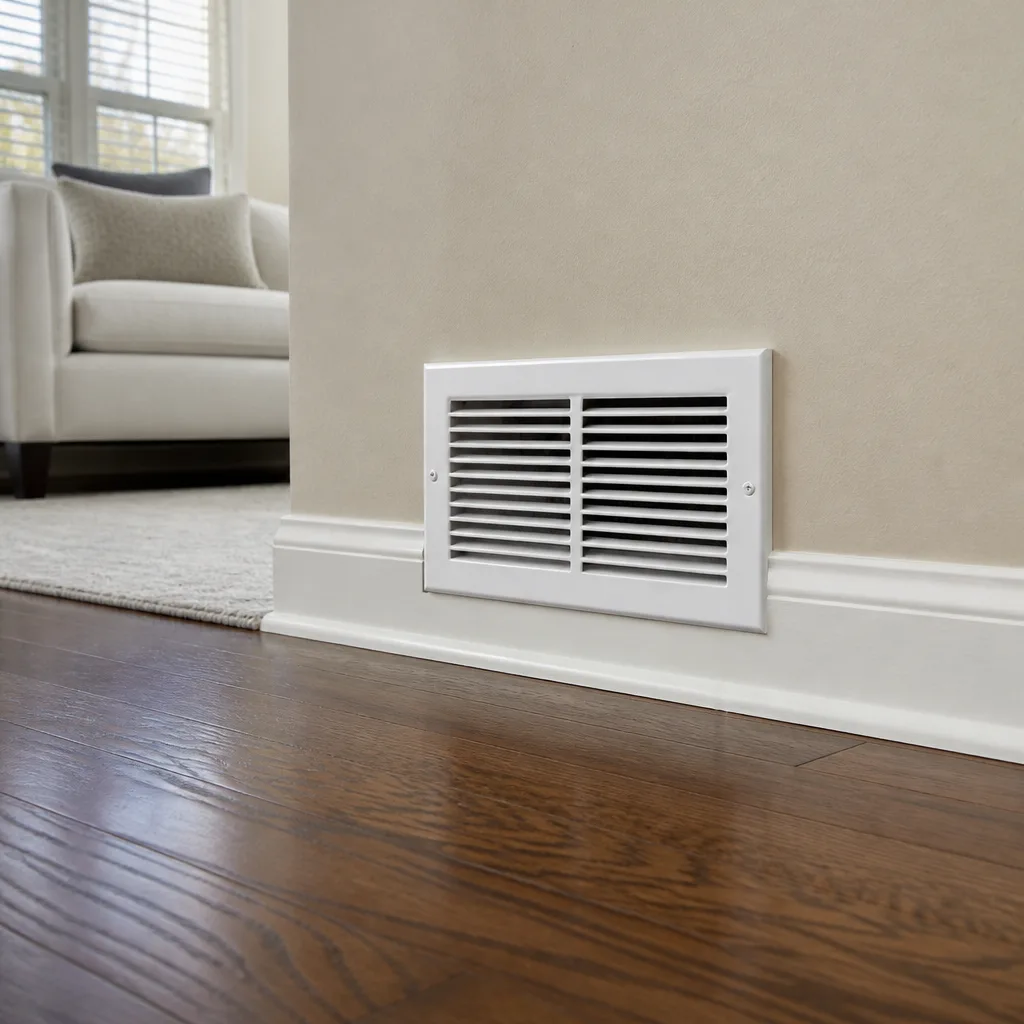 Sanitizing & deodorizing
Whole-system duct and dryer vent check with before-and-after photos - you see exactly what came out of your vents
That "$99 whole-house special" is a bait ad - the real number appears once they are in your hallway, or the "clean" is a shop-vac at the register. We photograph the inside of your ducts before and after instead.
DIY vs Professional Air Duct Cleaning: The Fullerton Homeowner’s Decision Guide
Here’s the part most duct cleaning advice gets wrong: the dust you can reach with a shop vac and a brush at your supply register is not the dust affecting your indoor air quality. The material that matters sits in the trunk lines, the plenum, and at the evaporator coil, and none of those are things a homeowner can reach with consumer tools. That’s not a knock on homeowners. It’s a matter of geometry and equipment access. In this guide we’ll map exactly where debris accumulates in a typical Fullerton home’s duct system, explain what consumer cleaning kits actually accomplish versus what their packaging promises, and show you which maintenance tasks are genuinely worth doing yourself and which ones call for a truck-mounted system with negative pressure containment.
Quick Answer
DIY duct cleaning reaches roughly the first 18 inches of each supply run and is useful for register cleaning, filter swaps, and visual inspection. Professional cleaning reaches the trunk lines, plenum, and coil, and it uses negative pressure containment so disturbed debris leaves the system instead of spreading into your living space. If your Fullerton home has had recent renovation work, visible moisture or mold, rodent activity, or ducts that haven’t been cleaned in 10+ years, professional service is the practical choice.
Styles & brands we work with
- Whole-home duct cleaning
- Dryer vent cleaning
- Camera inspection
- Sanitizing & deodorizing
Table of Contents
- Why DIY Duct Cleaning Only Reaches the First 18 Inches
- Where Debris Actually Accumulates in a Fullerton Home
- What Consumer Duct Cleaning Kits Actually Do
- When DIY Maintenance Genuinely Pays Off
- The Containment Problem: Why Agitation Without Vacuum Spreads Dust
- When Professional Cleaning Is Non-Negotiable
- What Professional Equipment Changes
- A Step-by-Step Decision Framework
Why DIY Duct Cleaning Only Reaches the First 18 Inches
A residential duct system in Fullerton is a branching network, not a straight pipe. Air leaves your air handler through the plenum, travels down the main trunk line, then turns into branch runs that feed each room. Your supply registers sit at the very end of those branches. When you buy a consumer duct cleaning attachment and feed it down through a register, you reach the first foot and a half or so before the brush hits a turn, a reducer, or a flexible duct fitting that the attachment can’t negotiate.
The debris that affects air quality doesn’t live there. It settles where airflow slows and changes direction: the trunk lines, the plenum above the air handler, the return-side ducting, and the evaporator coil. Those areas are sealed behind access panels, taped joints, or flex duct connections that aren’t designed for homeowner entry.
In our experience, this is why homeowners sometimes clean their registers, notice the visible dust disappear, and still smell the same musty odor when the system kicks on. The register dust wasn’t the source. It was the part you could see. If you want a fuller picture of what a complete system cleaning involves, our air duct cleaning page breaks the process down step by step.
Where Debris Actually Accumulates in a Fullerton Home
Fullerton homes run the same duct configurations you see across inland Orange County, and the accumulation patterns are predictable once you know where to look. Here’s the anatomy, roughly in order of how much debris each location holds:
- The return plenum and return trunk. This is the low-pressure side of the system, which means air slows down here and drops what it’s carrying. It’s usually the single dirtiest run in the house, and it’s completely inaccessible with a register-level attachment.
- The evaporator coil. Mounted above or beside the air handler, the coil is a finned surface that acts like a filter whether you want it to or not. Dust, pet hair, and lint pack into the fins until airflow drops and the system works harder. You cannot clean a coil through a register.
- Trunk lines and branch takeoffs. Debris collects where a trunk line reduces in size or where branches split off. Flexible ducting with sagging runs traps more than rigid metal because the low points become settling basins.
- The blower wheel and cabinet. A blower wheel collects a mat of dust on its fins that reduces output across every room in the house.
- Register boots and grilles. This is the only zone on the list a homeowner can genuinely reach, and it’s also the least consequential for air quality.
The pattern tracks with how Fullerton homes actually run. Inland Orange County summers push systems into long cooling cycles from late spring through October, and long runtimes move a lot of air through the return side. Add the fine dust that comes with dry inland air and nearby construction and landscaping work, and a return trunk can accumulate a visible layer of sediment well before a homeowner notices anything wrong at the register.
What Consumer Duct Cleaning Kits Actually Do
Consumer duct cleaning kits fall into three broad categories: shop vac attachments that fit over a register, flexible brush kits that feed down through the boot, and “air whips” or blower attachments marketed as a way to blow dust loose. Each one does something real, but none does what professional duct cleaning does.
- Register vacuum attachments pull surface dust off the grille and the visible portion of the boot. That’s useful. It does nothing for the trunk lines or plenum.
- Flexible brush kits reach further than a vacuum attachment, but they stall at the first 90-degree turn or reducer, and they agitate debris without capturing it. Whatever they loosen either re-settles downstream or blows back into the room.
- Blower or “air whip” attachments push air into the duct. Without negative pressure on the other end of the system, that air and its payload come back out through your registers. This is the kit category that does the most unintended harm.
The honest summary: consumer kits are register-cleaning tools with duct-cleaning marketing. They’re fine for what they are. They are not a substitute for a truck-mounted or portable commercial system pulling the whole duct network under negative pressure while a rotary brush and air whip work through each run. If your goal is indoor air quality rather than surface appearance, the kit is the wrong tool for the job.
When DIY Maintenance Genuinely Pays Off
We’re not going to tell you every duct-related task needs a professional. Some of the routine stuff is genuinely worth doing yourself, and doing it regularly keeps small issues from becoming expensive ones.
- Clean the supply and return registers. Remove the grille, wipe it down, and vacuum the visible boot opening with a brush attachment. Do this every few months, and always after any drywall or sanding work in the house.
- Change your air filter on schedule. A clogged filter is the single most common cause of reduced airflow and coil fouling. Check it monthly during heavy cooling season and swap it when it’s loaded or when it’s been in for the manufacturer’s recommended interval.
- Inspect accessible points visually. Shine a flashlight into register openings and look at the flex connections at the air handler. A photo of a visible dust mat or a disconnected flex joint gives a professional a useful starting point when you do call.
- Keep the area around the air handler clear. Don’t stack storage against the return, and don’t let pet hair and lint build up on the cabinet or the coil access panel.
- Check for loose or disconnected flex duct at accessible points. Flex duct that has slipped off a takeoff is dumping conditioned air into an attic or crawl space and pulling unfiltered air into the system. That’s a repair, not a cleaning task, but finding it yourself saves time.
Notice what’s on that list: access-point work and filter discipline. Everything else requires getting inside sealed ductwork, and that’s where the line sits.
The Containment Problem: Why Agitation Without Vacuum Spreads Dust
Here’s the failure mode that never gets mentioned on a kit box. The moment you agitate debris inside a duct, it becomes airborne. If the system is under negative pressure with a commercial vacuum attached, that airborne material gets pulled out and collected. If it isn’t, it travels. Sometimes it settles downstream in a part of the duct you can’t reach. Sometimes it comes out your registers into the room.
This is why professional cleaning is sequenced the way it is. Every register and every trunk line gets sealed or connected to the vacuum before any brush or air whip goes in. The negative pressure doesn’t stop until the last run is finished. That’s how a system that was cleaned stays clean rather than redistributing what was already there.
Containment matters more in some situations than others. If you’re dealing with ordinary settled household dust, containment is good practice. If you’ve had recent renovation, moisture, or rodent activity, containment isn’t a refinement, it’s the whole point of the job. Agitating that material without a vacuum on the line is exactly how a small problem becomes a larger one. Professional duct cleaning equipment, including the Abatement Technologies units that handle fine particulate and contamination work, exists because that distinction matters.
When Professional Cleaning Is Non-Negotiable
There are specific situations in Fullerton where DIY duct cleaning isn’t just less effective, it’s the wrong approach entirely. If any of these apply to your home, skip the kit:
- Post-renovation cleanup. Drywall dust and construction debris travel through ductwork and settle into the return trunk and coil. Cleaning before the system runs again for any length of time prevents that dust from getting baked onto the coil.
- Visible mold or persistent moisture. If you smell a musty odor that doesn’t clear after a filter change, or you’ve had roof or plumbing leaks, professional inspection and cleaning with sanitizing comes first. Mold inside a duct system isn’t a homeowner task.
- Rodent activity. Droppings, nesting material, and entry points need professional attention, including sealed access and sanitizing before the system is used normally.
- System not cleaned in 10+ years. A decade of accumulation in the trunk lines, plenum, and coil is past what any consumer tool can meaningfully address.
- Recent home purchase. You don’t know what the previous owners did or didn’t maintain. A clean baseline after buying is worth the cost of knowing.
- Allergy or respiratory concerns. If you suspect your ducts are aggravating symptoms, thorough cleaning plus an honest assessment of filtration and humidity is the right starting point.
If any of those apply and you want a full assessment, our HVAC cleaning service covers the coil, blower, and cabinet alongside the ductwork, which is often what’s actually needed in these cases.
What Professional Equipment Changes
The equipment is not a marketing detail. It determines what the job can actually accomplish.
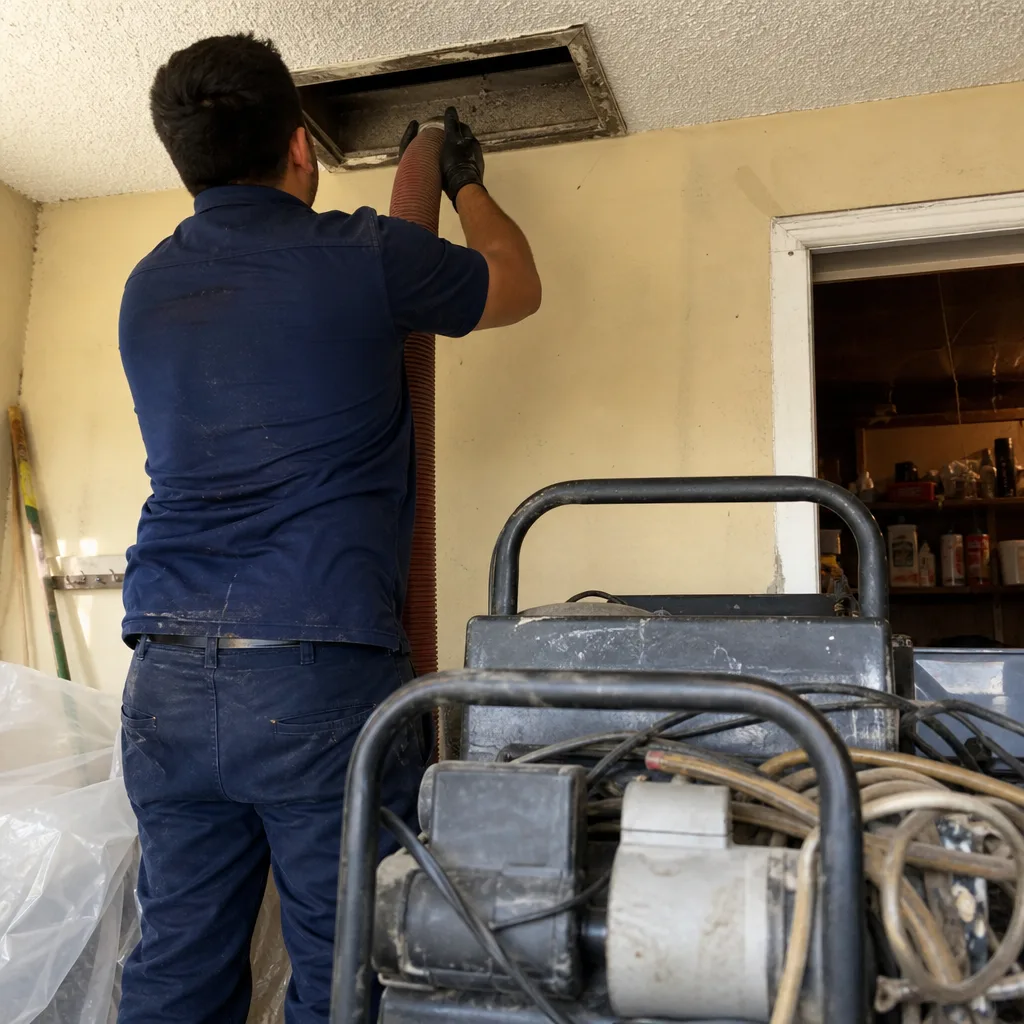
Rotobrush and Nikro commercial-grade systems are the equipment professional HVAC contractors use, and they combine a rotary brush with high-volume negative pressure in a single package. The brush loosens what’s adhered to duct walls; the vacuum captures it while the brush is still working. That combination is what makes thorough duct cleaning possible without the redistribution problem.
Beyond the cleaning heads, professional work involves:
- Video inspection at key access points, which shows what’s actually in the system before, during, and after cleaning. If you want proof the work was done, this is how you get it.
- Duct repair and sealing for disconnected flex joints, openings at takeoffs, and gaps that pull unfiltered air into the system. Finding a problem during cleaning is only useful if the same outfit can fix it, and we handle both on the same visit.
- Filtration and humidity work using Honeywell and Aprilaire products, which we work with routinely. After cleaning, tightening up filtration and controlling humidity is what keeps the system in good shape.
- Sanitizing and protective treatments using Guardsman-grade products when contamination or odor is part of the problem.
The through-line is simple: we clean it, repair it, seal it, and sanitize it, so a second call to a second contractor usually isn’t necessary. And if you’re also overdue on the vent side of the system, our dryer vent cleaning covers the other high-debris duct run in most homes.
A Step-by-Step Decision Framework
If you want a fast way to sort out whether your Fullerton home needs professional cleaning, work through this:
- Ask when the ducts were last cleaned. If you don’t know or it’s been 10+ years, book professional cleaning.
- Check recent activity. Renovation, roof repair, water damage, or pest issues in the past year all point to professional service.
- Do a smell test. Run the system with the filters fresh. Persistent musty or stale odor after a filter change means something in the system needs a closer look.
- Look at your registers. Heavy visible dust is a clue but not proof. Dust on the grille alone doesn’t tell you what’s in the trunk.
- Check your filters. If filters load up unusually fast, the system is moving a lot of debris through it.
- Do the routine DIY work regardless. Clean registers, change filters, and inspect access points. This is good practice for every home in Fullerton.
- Get a professional inspection if any of the above flags. A proper inspection with video equipment tells you what’s actually in the system, which is the only way to make an informed decision.
Common Mistakes to Avoid
- Cleaning only the registers and calling it done. Register cleaning addresses the least consequential part of the system. In our experience, homeowners who do this feel productive but see no improvement in air quality or odor.
- Using a blower attachment without containment. Pushing air into a duct without negative pressure on the other end drives debris into the room. This is the single most common DIY mistake we see, and it undoes any benefit from other efforts.
- Assuming a coupon price will hold. Some duct cleaning offers advertise per-vent pricing that balloons once the technician is on site. A flat price per system agreed before work starts, plus before-and-after photos of your own ducts, is the fair arrangement.
- Skipping the repair step after cleaning. Disconnected flex and open takeoffs pull unfiltered air straight into the system, so a cleaned duct with leaks re-fouls itself. Cleaning and sealing belong together.
- Cleaning ducts without addressing the coil. A foul coil keeps loading the ducts no matter how well they’re cleaned. If your system is over 10 years old and hasn’t had a coil cleaning, that’s the bigger issue.
- Working around moisture without addressing the source. Cleaning a system that has an active leak or persistent humidity problem means you’ll be back in the same spot. Fix the source, then clean.
- Ignoring the dryer vent while you’re thinking about ductwork. Lint buildup in a dryer vent is a genuine safety issue, not a routine chore, and it’s easy to overlook alongside the HVAC system.
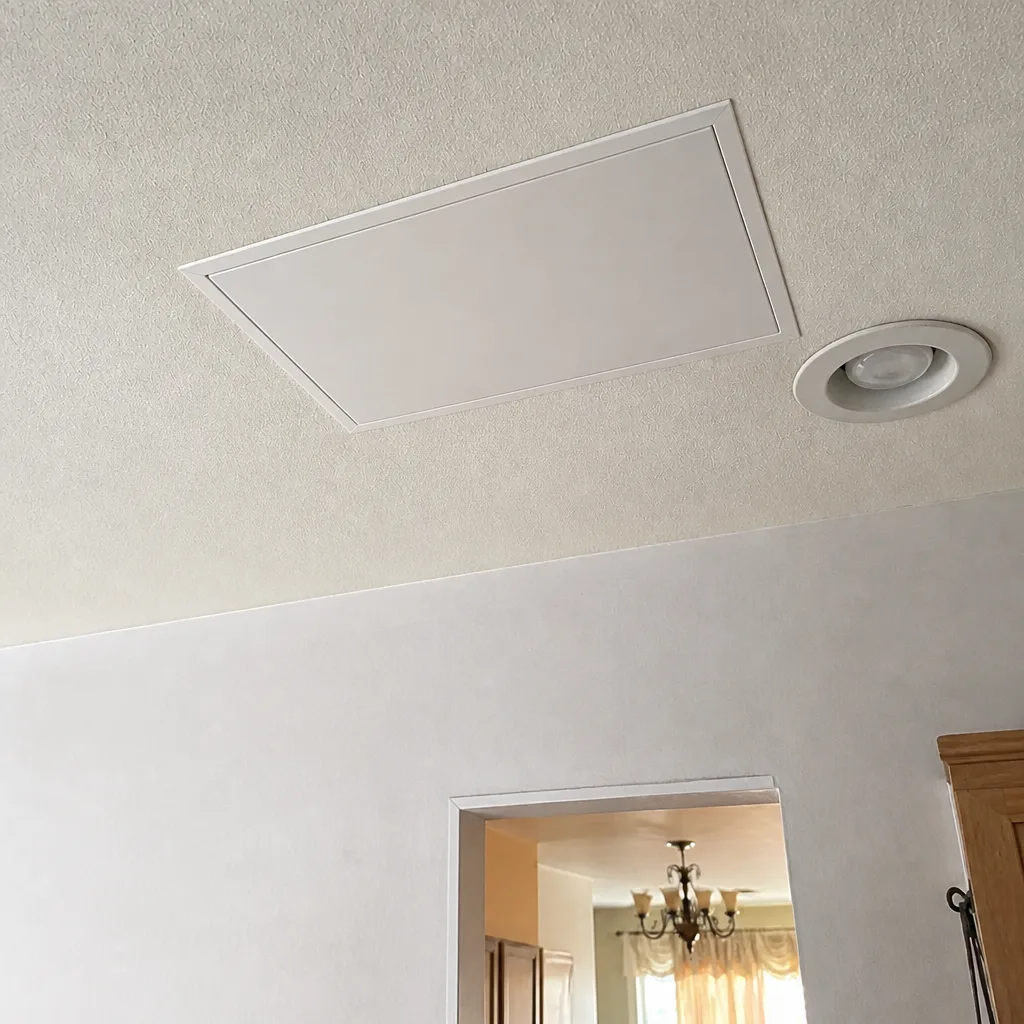
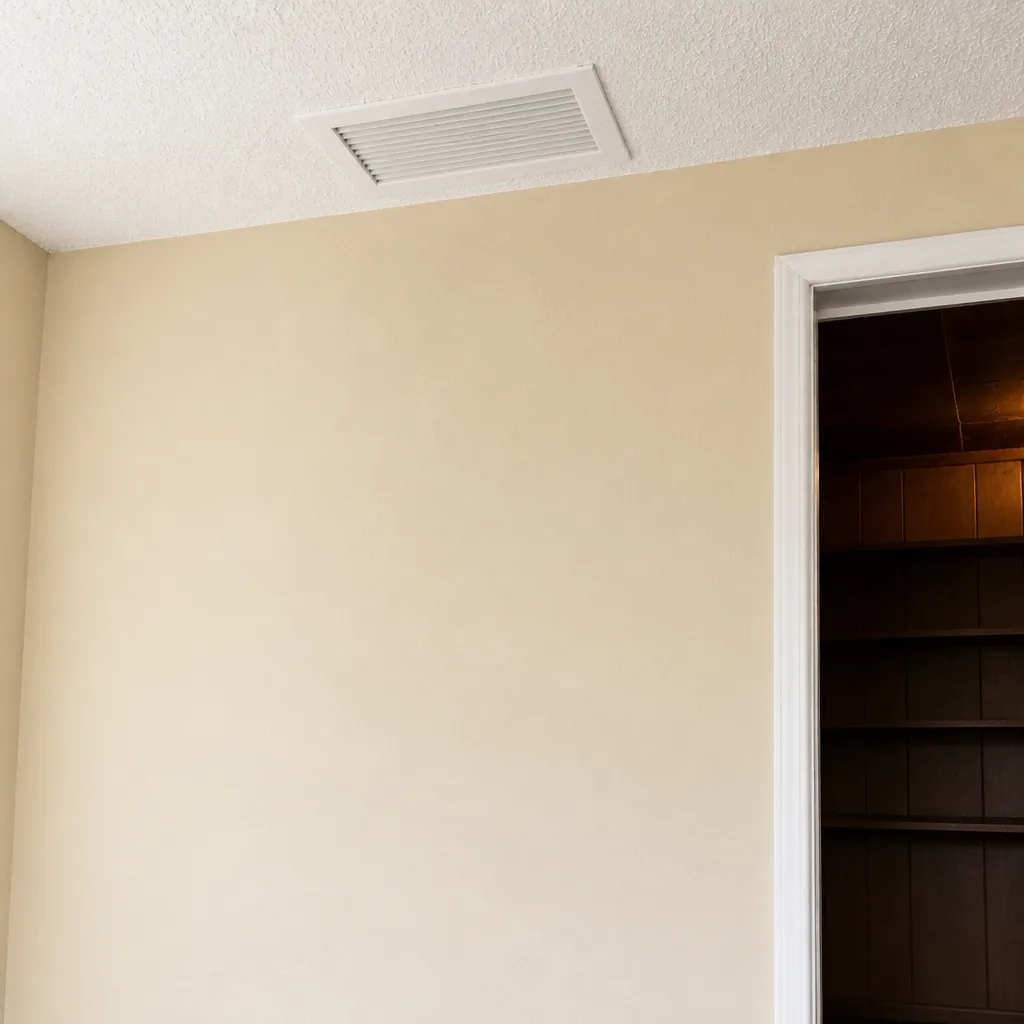
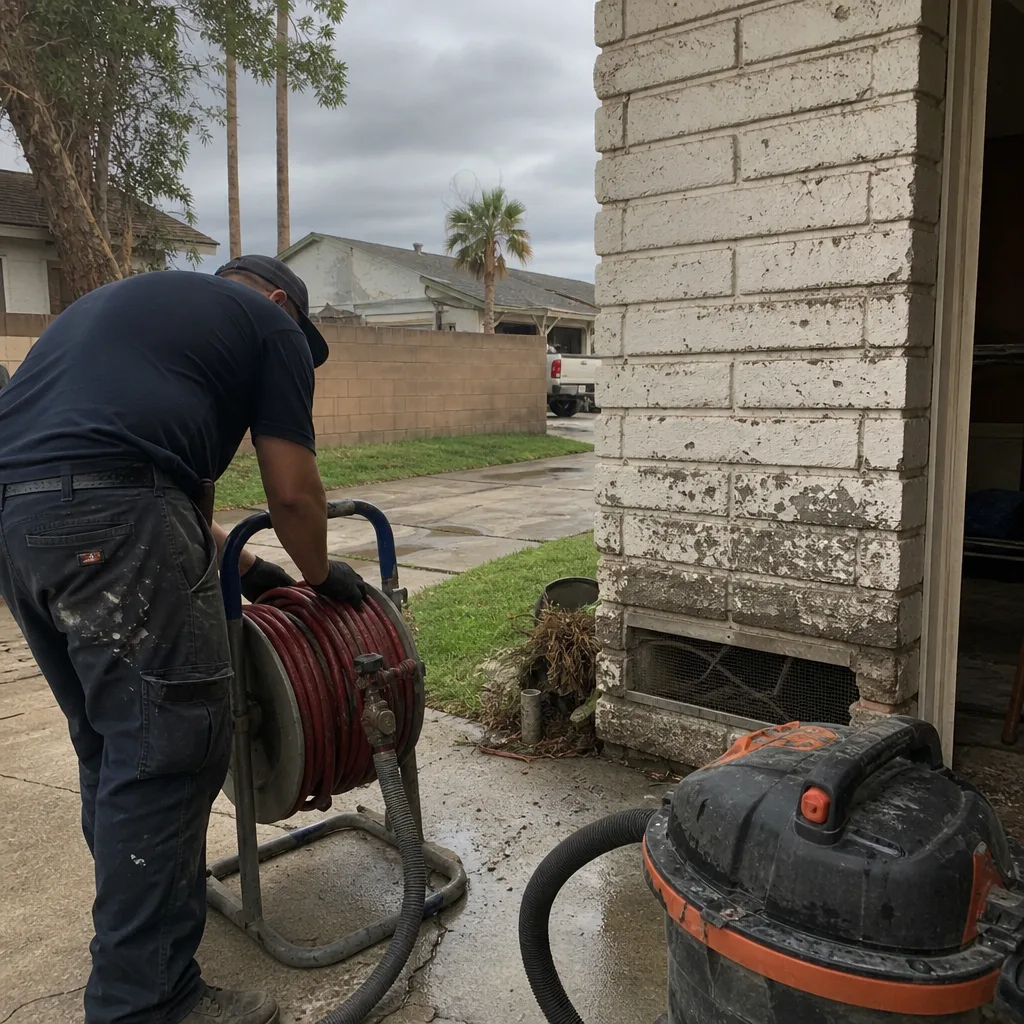
See the difference
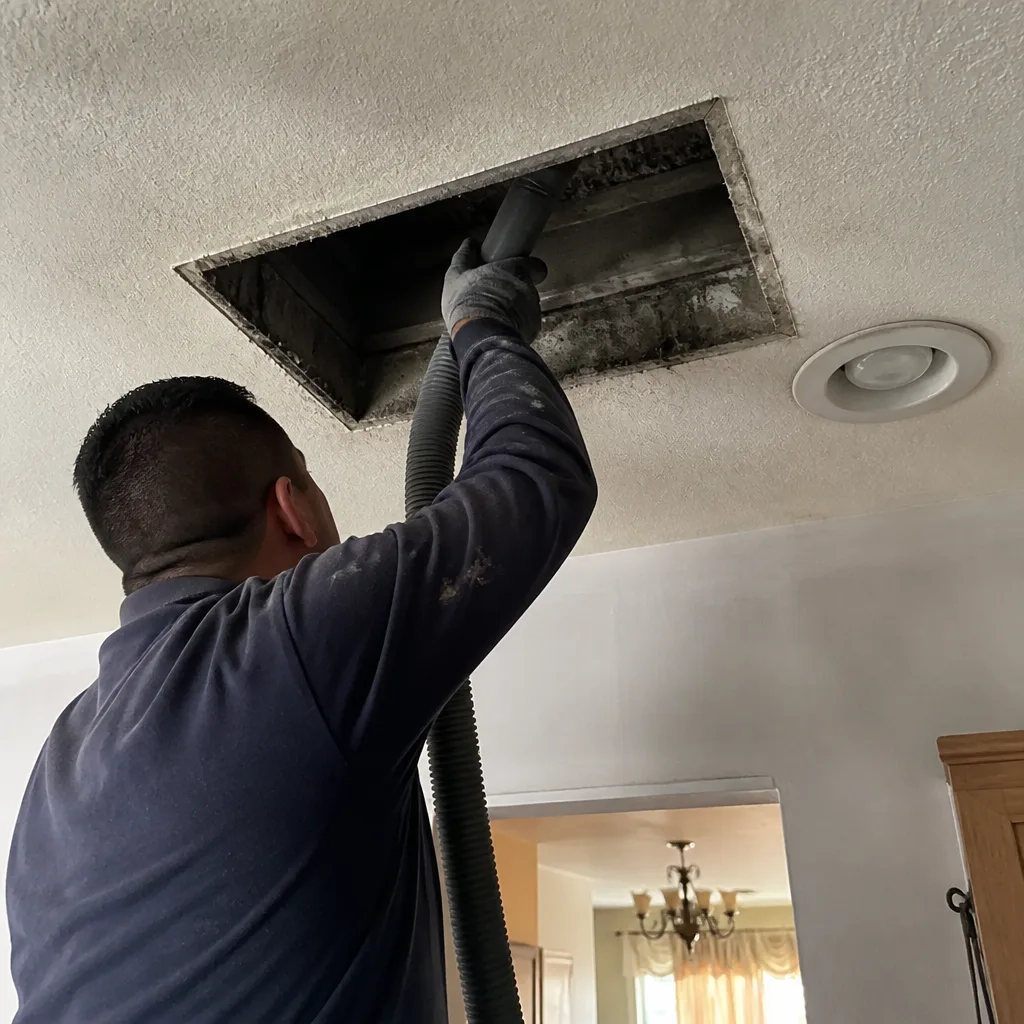 Before
 After
 Before
 After
 Before
 After
When to Call a Professional
The short answer is: any time the problem is behind a sealed access panel. That covers trunk lines, the plenum, the coil, the blower, and the return-side ducting. It also covers anything involving moisture, mold, rodents, or heavy debris from renovation. If you’re unsure whether your situation qualifies, an inspection answers that question quickly and gives you proof either way. Fullerton Air Duct Cleaning Co offers free estimates in Fullerton. Call (877) 792-5884 to schedule one. We answer 24/7 and dispatch from 7am to 7pm, Sunday through Friday. Estimates are free, and the price is set per job by the written estimate before any work begins.
Frequently Asked Questions
Typical professional duct cleaning in Fullerton runs in the range of a full-system clean, and the price is set per system by written estimate rather than per vent. The number of vents, the condition of the system, and whether repair or sealing is needed all affect the final figure. Call (877) 792-5884 for a free estimate with a flat price agreed before work starts.
Cheap quotes often use register-level cleaning with consumer-grade equipment and price per vent, which means a low headline number that grows once the technician is on site. A legitimate quote covers the entire system with commercial-grade equipment and negative pressure containment, and it’s written down before any work begins. If two quotes differ by a wide margin, ask what equipment is being used and whether the coil and plenum are included. Call (877) 792-5884 for a quote that spells all of this out.
Ask for before-and-after photos of your own ducts and a video inspection at key access points. A professional who does the work will have no trouble showing it. If a company can’t produce that evidence, that’s the answer to your question. Call (877) 792-5884 to schedule service with documentation included.
Every 3 to 5 years for most Fullerton homes under normal conditions, sooner after a renovation, a moisture event, or pest activity. Homes with pets, allergies, or heavy use during the long inland cooling season may need it more often. If you don’t know when yours was last cleaned, it’s worth finding out. Call (877) 792-5884 for an inspection.
Yes. Agitating debris without negative pressure containment spreads particulate into your living space or re-settles it deeper in the system where it’s harder to remove. Register cleaning and filter changes are safe and useful; brushes and blower attachments fed down the duct are where the risk starts. Call (877) 792-5884 if you want to know what’s actually in the system before you touch it.
Yes, and soon. Drywall dust and construction debris settle into the return trunk and can foul the coil, and once that dust is baked onto the coil, cleaning becomes a bigger job. Scheduling cleaning before the system runs heavily is the practical choice. Call (877) 792-5884 for a free estimate on post-renovation cleaning.
The Bottom Line
DIY duct cleaning isn’t dangerous, and it isn’t useless. It’s just limited to what you can reach, which is the first 18 inches of each run and the register grille. The debris that affects indoor air quality sits in the trunk lines, the plenum, and the coil, and getting it out requires commercial equipment and negative pressure containment. Do the routine work yourself: registers, filters, visual checks. Bring in a professional when it’s been 10+ years, when there’s moisture or pest activity, or after a renovation. For anything else, a free estimate is the cheapest way to know.
Fullerton Air Duct Cleaning Co offers air duct cleaning, dryer vent cleaning, HVAC cleaning, duct repair and sealing, and air quality and sanitizing services in Fullerton. Our technicians have up to 14 years of experience, and we work with Rotobrush, Nikro, Honeywell, Aprilaire, Abatement Technologies, and Guardsman equipment and products. We clean it, repair it, seal it, and sanitize it, so what we find we can fix on the same visit. Call (877) 792-5884 for a free estimate. We answer 24/7 and dispatch from 7am to 7pm, Sunday through Friday. To see the full range of what we do, visit Fullerton Air Duct Cleaning Co.
Written by the team at Fullerton Air Duct Cleaning Co.