
Last updated November 25, 2026
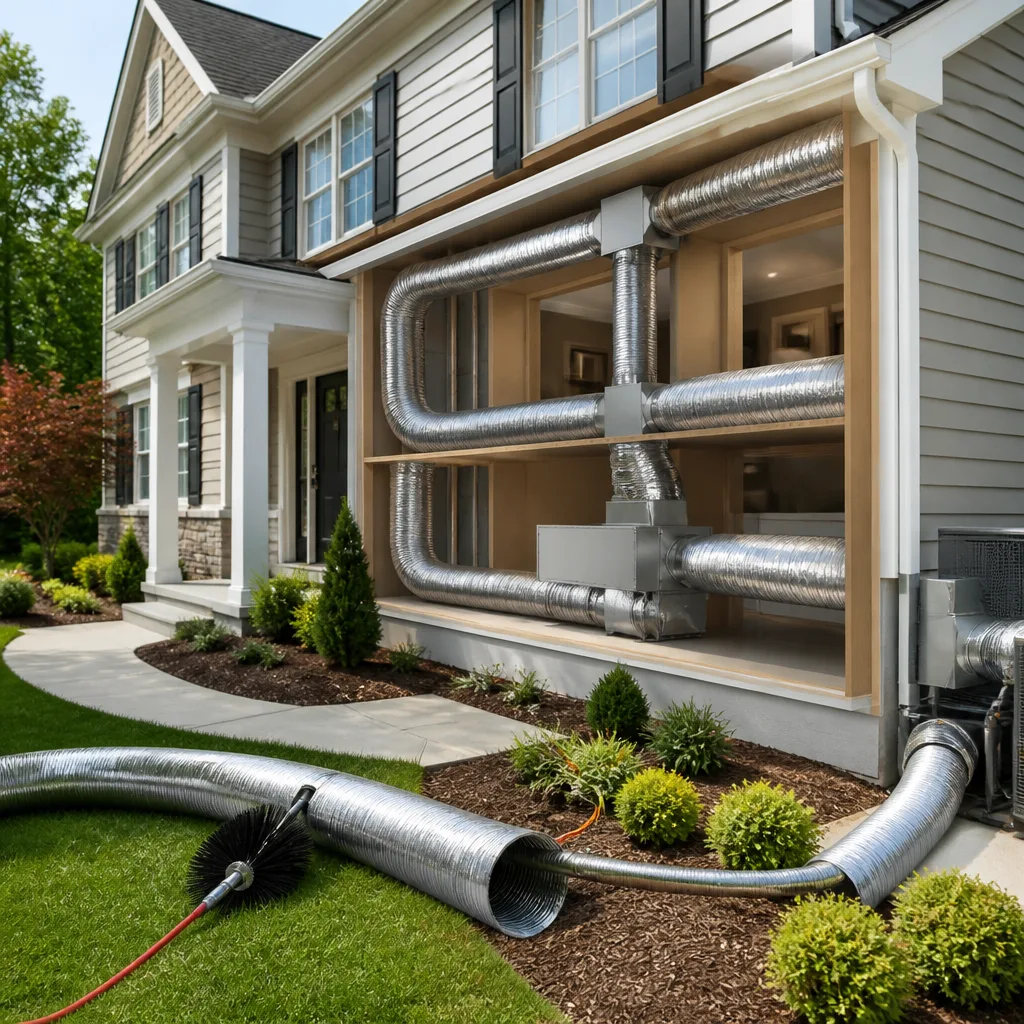 Whole-home duct cleaning
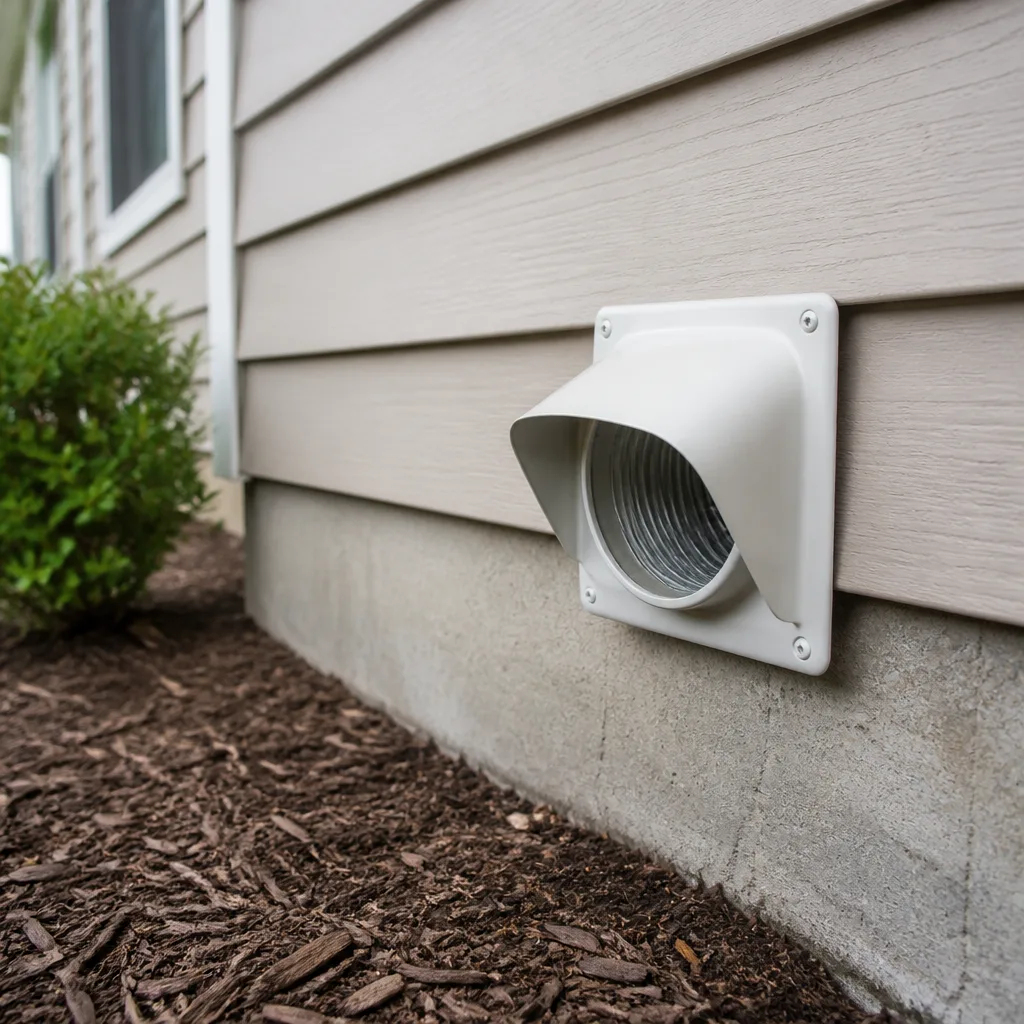 Dryer vent cleaning
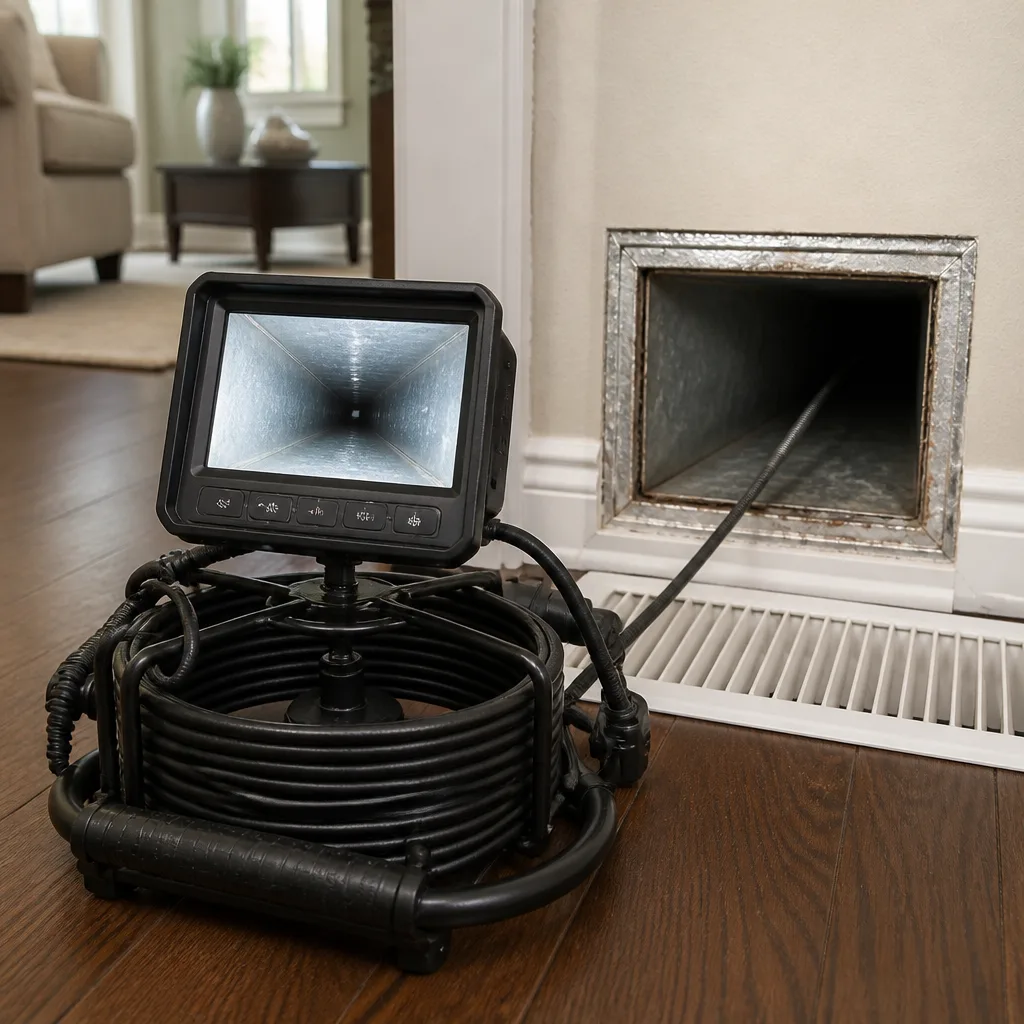 Camera inspection
 Sanitizing & deodorizing
Whole-system duct and dryer vent check with before-and-after photos - you see exactly what came out of your vents
That "$99 whole-house special" is a bait ad - the real number appears once they are in your hallway, or the "clean" is a shop-vac at the register. We photograph the inside of your ducts before and after instead.
Seasonal Air Duct Cleaning Care for Fullerton: Year-Round Homeowner’s Guide
Fullerton’s mild climate is a myth for HVAC systems. August through September means continuous AC operation, October brings particulate spikes from Santa Ana wind events, and the months in between load a duct system in ways a cold-climate home running heat for three months never sees. Most homeowners here think of duct cleaning as a once-a-decade chore. In our experience, the Fullerton homes that hold steady airflow and clean coils are the ones whose owners understand that the local climate writes a different calendar. This guide walks through that calendar season by season: what each part of the year throws at your ducts, how to judge when cleaning is genuinely warranted, and what the work actually involves when it is.
Quick Answer
In Fullerton, seasonal duct care follows the local stress calendar, not the national one. The best window for routine cleaning is winter, when lower runtime gives better access and faster turnaround, while the critical pre-season work happens in spring and early summer: filter upgrades, a sanitizing treatment before continuous AC operation, and a post-event inspection after any Santa Ana wind or wildfire smoke episode. Wildfire smoke and wind-driven fine particulate need equipment beyond routine dust removal, which is why matching the service to the season matters more than cleaning on a fixed timetable.
Styles & brands we work with
- Whole-home duct cleaning
- Dryer vent cleaning
- Camera inspection
- Sanitizing & deodorizing
Table of Contents
- Why Fullerton Ducts Age Differently Than Cold-Climate Homes
- Fall: Santa Ana Wind Preparation and Post-Event Inspections
- Winter: The Best Time to Schedule Cleaning
- Spring: Allergen Loading, Filter Upgrades, and When Cleaning Is Warranted
- Summer: Continuous AC Runtime, Coil Condensation, and Pre-Season Sanitizing
- Wildfire Smoke Events: Why Fine Particulate Behaves Differently
- The Fullerton Seasonal Duct Calendar at a Glance
- What a Full Seasonal Service Actually Involves
Why Fullerton Ducts Age Differently Than Cold-Climate Homes
A house in a cold climate runs its furnace hard for maybe three months and sits idle the rest of the year. A Fullerton house runs its air conditioner, in a typical year, through a much longer and more demanding stretch. August and September alone mean weeks of continuous runtime, with the system cycling less often because the house never cools down overnight. That continuous operation has a direct effect on the duct system: the blower is moving air constantly, so any dust that settles on duct walls gets stirred back into the airstream more often, and the evaporator coil stays wet for longer stretches, which is exactly the condition that lets biological growth get a foothold.
Then October arrives and the stressors change completely. Santa Ana winds push dry, particulate-heavy air across the region, and wildfire smoke events add a finer, more persistent layer of contamination on top of ordinary dust. A duct system that handled summer runtime well can be carrying a very different load by November than it was in July. That’s the counterintuitive part of fullerton duct care: the biggest threats here aren’t temperature extremes, they’re particulate events and long runtime, and those two things hit the system in a specific order every year.
We mention this because it changes how you should think about scheduling. The national advice to clean your ducts “every three to five years” assumes a fairly uniform annual load. In Fullerton, the load is anything but uniform. Some years bring two significant wind events and a smoke episode; others are comparatively quiet. The right question isn’t “has it been three years?” but “what has this system been through since the last cleaning?”
- Runtime load: several months of near-continuous AC operation put constant airflow through the ducts and keep the coil wet longer.
- Particulate load: Santa Ana wind events and wildfire smoke push fine particulate into return air paths, especially through gaps and poorly sealed plenums.
- Infiltration: Fullerton’s older housing stock often has duct systems with seams and connections that let outdoor air in, so what’s happening outside shows up inside the ducts.
Fall: Santa Ana Wind Preparation and Post-Event Inspections
Fall is when Fullerton duct systems take on the most particulate in the shortest time. Santa Ana winds carry dry, dusty air from the interior, and when a wind event coincides with a wildfire, that air carries fine smoke particulate as well. The reason this matters for ducts specifically is the return side of the system. Return plenums are under negative pressure while the air handler runs, which means any gap, loose seam, or poorly sealed connection in the return path pulls outdoor air straight into the system rather than filtering it first. Under normal conditions that infiltration is a slow trickle. During a wind event it’s a steady stream.
What infiltration looks like in a return plenum after a wind event is fairly consistent: a visible film of fine, pale dust on the interior surfaces, often concentrated near seams and where the plenum meets the air handler cabinet. If the event involved smoke, that film has a distinct grayish tint and a faint odor that becomes more noticeable the first time the system runs afterward. It’s the kind of thing that’s easy to miss on a visual check of the grilles in the living space but obvious once you’re looking at the return side.
The practical routine for fall is preparation before the event and inspection after it:
- Before wind season, check your filter fit. A filter that’s slightly small for its slot lets air bypass around the edges. During a wind event that bypass becomes a direct path for particulate.
- Look at accessible return seams. Any visible gap at a plenum connection or a flex duct collar is a spot where outdoor air enters the system unfiltered.
- After the event, don’t judge by the grilles alone. Compare what you see at the return grille with how the system sounds and how the first hour of runtime smells. A musty or smoky odor on startup is worth an inspection.
- Watch for a runtime change. If the system seems to run longer to reach the same temperature after an event, reduced airflow from loaded filtration or dirty components is a common cause.
Post-event inspections matter because the damage from a wind event is cumulative, not dramatic. A single event rarely causes an obvious problem. Two or three in a row, on top of a summer of continuous runtime, can noticeably reduce airflow and leave the system working harder than it should. Catching it in November means it gets handled before the next cooling season rather than during it. Our team can inspect the return side, check the accessible ductwork, and if we find gaps, seal them as part of the same visit, because what we find, we can fix. You can read more about the scope of that work on our air duct cleaning page.
Winter: The Best Time to Schedule Cleaning
Winter is the best time to schedule duct cleaning in Fullerton, and the reason is simple: lower runtime means better access and faster turnaround. Once temperatures settle and the system isn’t running near-continuously, two things improve. First, the system is idle for longer stretches during the day, so a technician can work on duct runs and components without the blower fighting them. Second, the service itself is easier to complete in a single visit, because there’s less need to work around active cooling cycles.
There’s a second reason winter works well, and it’s about what you can actually see. When you clean a system during the cooling season, you’re cleaning into a coil that’s been wet and a supply side that’s been carrying cold air. In winter, the system has been through a full season of stress and settled, and the cleaning removes the accumulated load in one pass before next summer’s runtime begins. Think of it as resetting the system at the natural low point of its year.
If you’re going to clean once, winter is when to do it. Here’s a practical way to plan:
- Schedule the routine cleaning in December or January. This is when access is best and the work is least disruptive to the household.
- Have the accessible ductwork inspected while the system is open. Seams and connections that need sealing are easier to address now than mid-summer.
- Note anything that needs attention before spring. If the technician finds a filtration issue or a sealing problem, plan to address it before cooling season, not during.
- Use the low-runtime window to think about filtration. It’s a natural moment to consider whether the current filter is the right match for the household, particularly if anyone in the home is sensitive to airborne particulate.
Winter is also the natural time to think about the duct system as a whole rather than just the ducts. If the air handler cabinet, coil, or blower has been collecting dust through a long cooling season, a thorough HVAC cleaning alongside the duct work resets the whole system rather than just part of it. And while we’re in the system, we offer duct repair and sealing in-house, so a problem found in January gets fixed in January rather than referred to a second contractor and a second appointment. To plan a winter visit, call (877) 792-5884. We answer 24/7. Fast dispatch from 7am to 7pm, Sunday through Friday.
Spring: Allergen Loading, Filter Upgrades, and When Cleaning Is Warranted
Spring in Fullerton is when the question “do I need my ducts cleaned, or do I just need a better filter?” becomes genuinely useful. Outdoor air infiltration carries pollen and fine particulate into the return path all season, and the first warm weeks of spring are when a lot of homeowners start noticing the system running more and the house feeling different. Not every one of those situations calls for a full cleaning. Sometimes a filtration upgrade solves the actual problem, and we’d rather tell you that than schedule work you don’t need.
Here’s how to tell the difference. Cleaning is warranted when the contaminant load is already in the system: visible accumulation on the interior of the return plenum, a persistent odor on startup, a system that’s been through a major renovation or a significant wind or smoke event, or ductwork that hasn’t been cleaned in many years of continuous runtime. A filter upgrade alone is worth trying first when the system is otherwise clean, the complaint is seasonal rather than year-round, and the existing filter fit is poor or the filter is under-matched to the household. In other words: cleaning handles what’s already inside the ducts, filtration handles what’s coming in through them.
Spring assessment, in order:
- Check the filter fit and rating. A well-fitting filter that matches the household’s needs is the cheapest first step. If it’s been sliding around in the slot, that’s a bypass problem a cleaning won’t fix.
- Listen and smell for clues. A musty odor on startup, a whistle at the return, or a system that seems to struggle after a warm day are all worth writing down.
- Look at the return grille and plenum. Visible dust on the grille is normal; visible accumulation inside the return path is a signal that the load has moved beyond what filtration alone handles.
- Consider the timeline since the last cleaning. If it’s been several years of Fullerton runtime with no service, spring is a reasonable point to have the system looked at before the heavy cooling season.
When a filtration upgrade is the right answer, we carry and work with Honeywell and Aprilaire air quality products, so the recommendation is grounded in a specific, appropriate product rather than a generic suggestion. When cleaning is the right answer, we’d rather walk you through the findings than push the service. Either way, the assessment is free, and you can call (877) 792-5884 to arrange it. A spring evaluation done right means you go into summer knowing the system is either clean or properly filtered, not guessing.
Summer: Continuous AC Runtime, Coil Condensation, and Pre-Season Sanitizing
Summer puts the most sustained stress on a Fullerton duct system of any season, and it’s not the heat itself that’s the problem. It’s the runtime. When the system runs near-continuously through August and September, the evaporator coil stays wet for far longer than it would in a house that cycles on and off. A wet coil is exactly the surface that biological growth prefers, and once growth establishes on the coil or in the drain pan, the duct system downstream of it becomes the distribution path for that odor and particulate.
That’s the case for a pre-season sanitizing treatment. Done before the heavy runtime begins, a sanitizing treatment addresses the surfaces that are about to spend months wet, and it pairs naturally with a clean system. Done after growth has established, sanitizing still helps, but you’re treating a problem rather than preventing it. The practical sequence is clean first, then sanitize, in that order, because sanitizing a dirty surface doesn’t accomplish much.
Summer-specific care, in order:
- Before the season, schedule the clean-and-sanitize. This is the sequence that makes the most sense: remove the accumulated load, then treat the surfaces that will be wet for months.
- Check the drain line and pan. A slow drain keeps the pan wet even when the coil has cycled off, and that’s the condition where growth gets a foothold.
- Monitor runtime and airflow. A system that seems to run longer each week through the summer is telling you something, and reduced airflow from loaded components is a common cause.
- Watch for odor on startup. A musty smell the first time the system comes on after a cool night is a strong signal that something is wet that shouldn’t be.
Beyond the coil itself, continuous runtime also means the blower is constantly moving air through the ducts, which keeps any settled dust suspended and moving. That’s why a clean system stays cleaner through the summer and a neglected one degrades more quickly. When we do a summer service, we use professional-grade equipment that reaches the full duct run rather than just what’s reachable near the registers. If you’re planning a pre-season visit, our Fullerton Air Duct Cleaning Co team can map out the right sequence for your system.
Wildfire Smoke Events: Why Fine Particulate Behaves Differently
Wildfire smoke is the one seasonal stressor in Fullerton that doesn’t behave like ordinary dust, and treating it like dust is where most remediation falls short. Ordinary dust is comparatively coarse: it settles, it accumulates on surfaces, and a standard cleaning pulls it out. Wildfire smoke particulate is far finer. It stays airborne longer, it penetrates gaps and seams that would stop coarser dust, and it doesn’t settle neatly on duct walls. It coats surfaces, it works into the coil, and it leaves a persistent odor that comes back every time the system runs.
The practical consequence is that a smoke event needs more than a routine cleaning pass. It needs equipment capable of capturing fine particulate and it needs the full system addressed, including the components where smoke particulate tends to accumulate: the return plenum, the coil, and the air handler cabinet. That’s the situation where our use of Abatement Technologies equipment matters. It’s built for contamination and fine-particulate control, which is a different job than routine dust removal and calls for different tools.
After a smoke event, what actually helps, in order:
- Stop running the system if the outdoor air is still smoky. Runtime during an active event pulls outdoor air through the infiltration paths and into the system.
- Change the filter after the event, not just before. A filter that loaded during the event is doing its job; leaving it in place keeps resistance high and can push air through bypass paths.
- Look for the odor signal. If the system smells smoky on startup a week or more after the event, the particulate has reached components that a filter change won’t reach.
- Have the system evaluated for fine-particulate remediation. A thorough cleaning that addresses the coil, plenum, and cabinet, backed by equipment rated for fine particulate, is the right response when the odor persists.
One thing we’d flag: odor is the strongest signal that a smoke event has moved beyond a filter-change problem. If the system smells smoky in the first few minutes of a run, weeks after the event, that’s the point to have it looked at. You can call (877) 792-5884 to arrange an evaluation. Estimates are free.
The Fullerton Seasonal Duct Calendar at a Glance
Here’s the whole year on one page. Use it as a planning reference rather than a rigid schedule: the actual triggers are events and runtime, so adjust to what your system has actually been through.
| Season | Main Stressor | Recommended Action |
|---|---|---|
| Fall (Oct-Nov) | Santa Ana winds, wildfire smoke, fine particulate infiltration | Inspect return plenum and seams before and after events; check filter fit; seal gaps found |
| Winter (Dec-Jan) | Low runtime, best access window | Routine cleaning; inspect and address duct issues; consider filtration review |
| Spring (Mar-May) | Outdoor air infiltration, pollen and allergen loading | Assess cleaning vs. filter upgrade; verify filter fit and rating |
| Summer (Jun-Sep) | Continuous AC runtime, wet coil, biological growth risk | Pre-season clean and sanitize; check drain line and pan; monitor airflow |
| Smoke events | Fine particulate, persistent odor | Stop runtime, replace filter, evaluate for fine-particulate remediation if odor persists |
If you want a single rule of thumb: winter is for the routine cleaning, spring is for the filtration decision, summer is for the sanitizing treatment, and fall is for inspection. Smoke events override all of it. When a smoke event or a major wind event hits, that’s the trigger to have the system looked at regardless of what month it is.
What a Full Seasonal Service Actually Involves
A seasonal duct service that matches the Fullerton climate covers more than blowing dust out of the ducts. The work we perform end to end is clean, repair, seal, and sanitize, all in one relationship, because a problem found during cleaning gets addressed during the same visit rather than referred out. That’s what separates a seasonal service from a basic cleaning.
What it involves, in order:
- Inspection of the accessible system. Return plenum, accessible duct runs, air handler cabinet, and coil. The findings determine what actually needs doing.
- Cleaning with professional-grade equipment. We use Rotobrush and Nikro systems, the same category of equipment HVAC contractors rely on, rather than consumer-grade attachments. It reaches the full duct run.
- Repair and sealing of what was found. Gaps at plenum connections, loose seams, and worn duct sections are sealed in-house, so infiltration is corrected rather than just cleaned around.
- Sanitizing treatment where warranted. Particularly before summer runtime, and particularly when biological growth or odor is part of the complaint.
- Filtration and air quality review. Where the household situation calls for it, we work with Honeywell and Aprilaire products to address filtration and humidity after the cleaning is done.
The point of doing all of this together is that the system gets reset, not just partly cleaned. A cleaning that leaves a leaking return plenum is a cleaning that will need repeating sooner than it should. A sanitizing treatment applied without a repair is treating a symptom. The full sequence addresses the system as it actually is. You can read more about how we handle each service on our dryer vent cleaning page, which follows the same full-service model for a different part of the home’s ventilation.
Common Mistakes to Avoid
- Judging duct condition by the grilles alone. Damage from wind events and smoke happens in the return plenum and coil, which the grilles don’t show. Have the return side inspected after a wind or smoke event, not just the registers you can see.
- Cleaning in summer and skipping the sanitizing step. Cleaning removes the load; sanitizing addresses the wet surfaces that will carry growth through continuous runtime. Do both, in that order, before the cooling season.
- Treating wildfire smoke like ordinary dust. Smoke particulate is finer, penetrates gaps, and coats the coil and cabinet. A routine cleaning pass doesn’t address it the same way a fine-particulate remediation does.
- Upgrading the filter when the problem is inside the system. A better filter handles what’s coming in. If accumulation is already inside the ducts, filtration alone won’t remove it. Get the assessment first.
- Ignoring a leaking return plenum. A gap in the return path pulls unfiltered outdoor air into the system all year. Sealing it is one of the highest-value repairs available, and in Fullerton it’s a common finding because of the local infiltration load.
- Waiting for “the three-year mark” instead of tracking events. A rigid interval misses the local reality. Some years the system needs attention after a single smoke event; other years it’s fine at three.
- Scheduling a cleaning without asking about repairs. If the company you hire can’t repair and seal what the cleaning finds, the infiltration problem is left in place for a second appointment.
See the difference
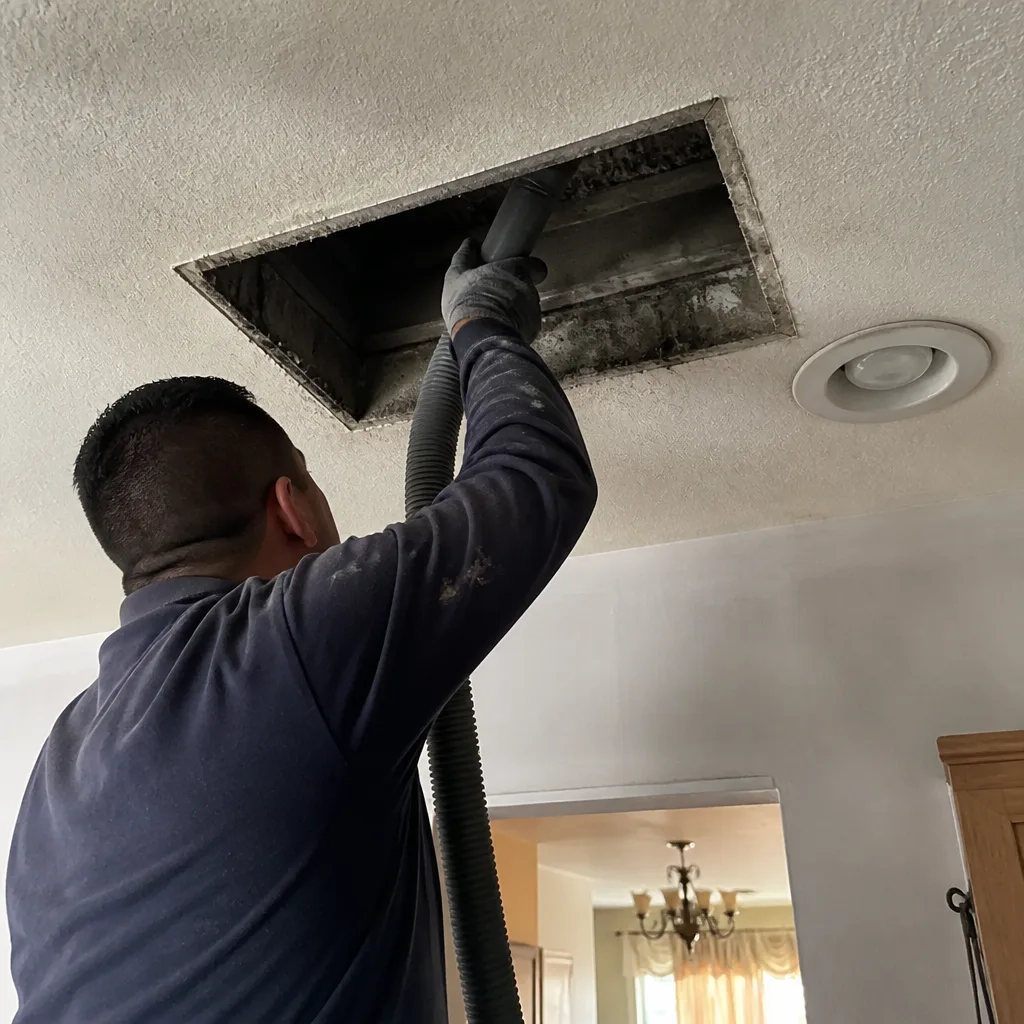 Before
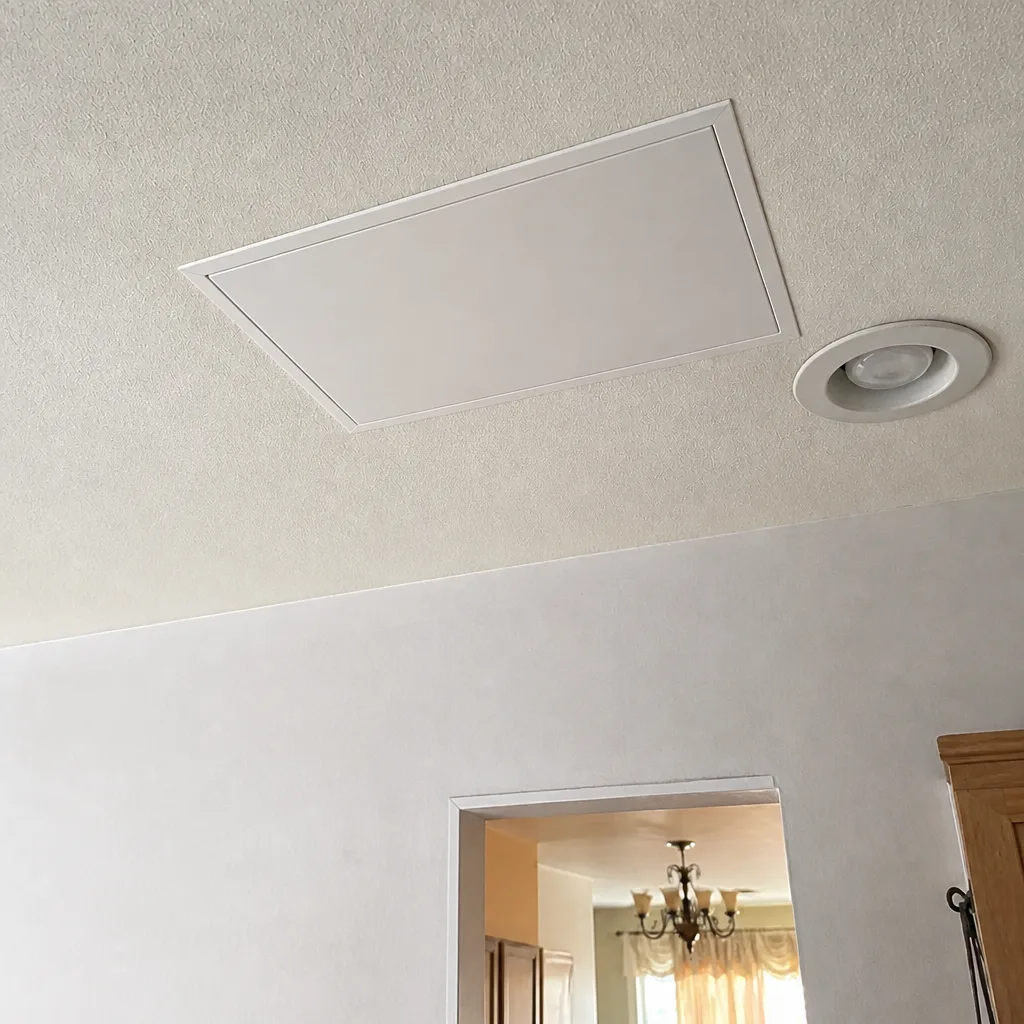 After
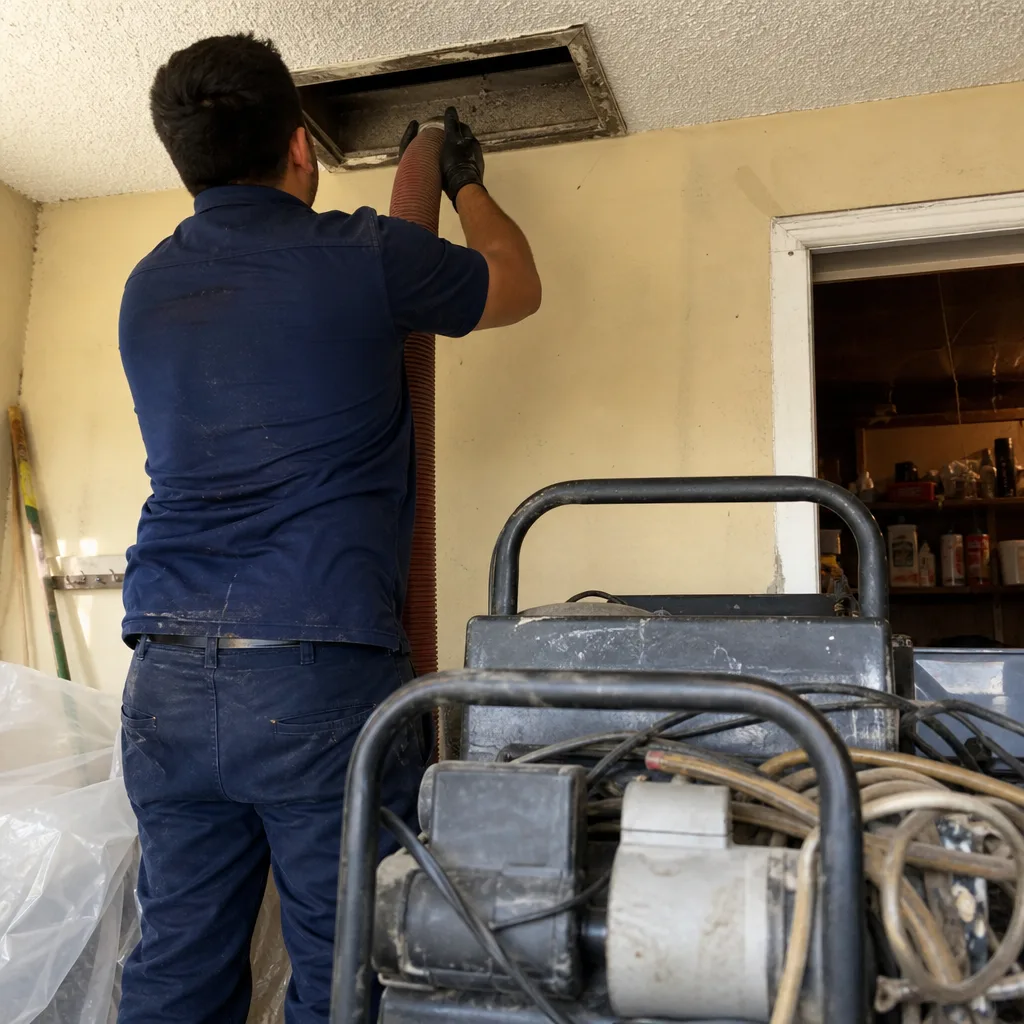 Before
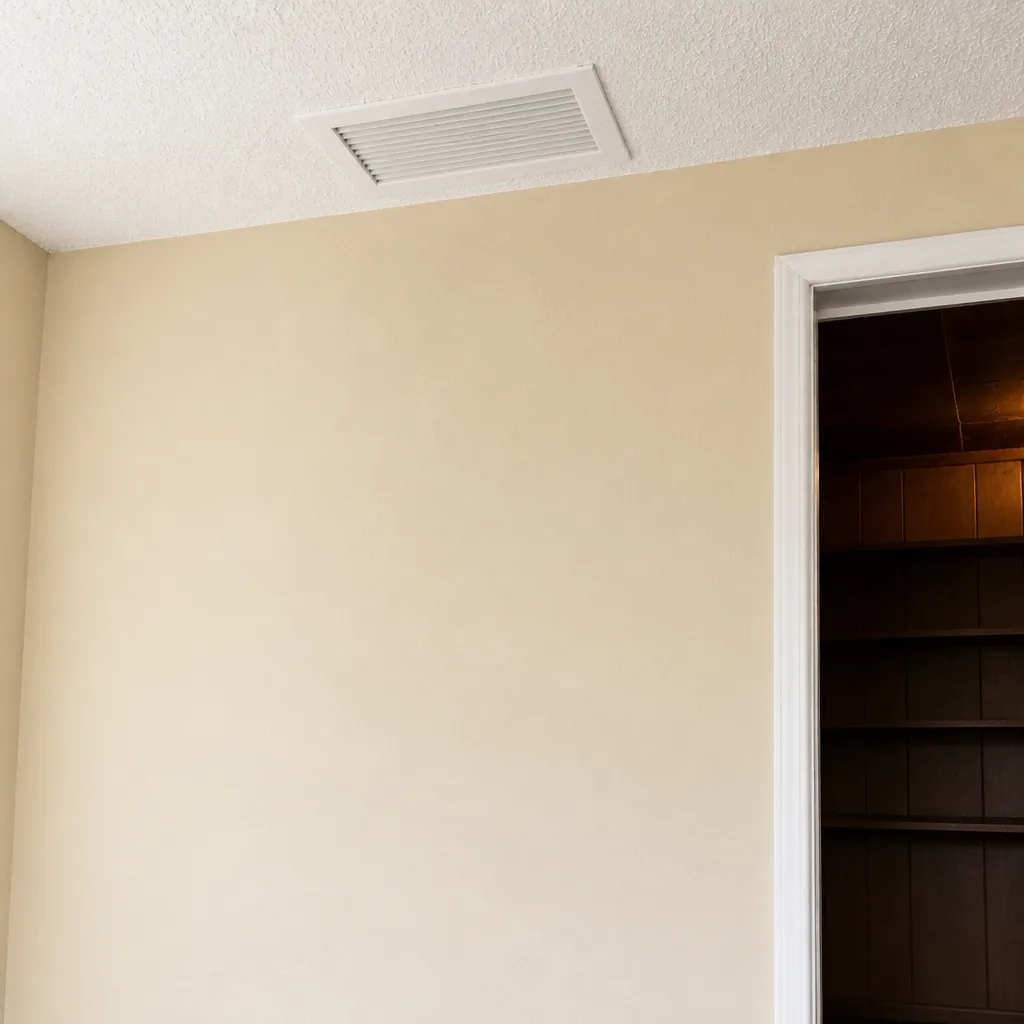 After
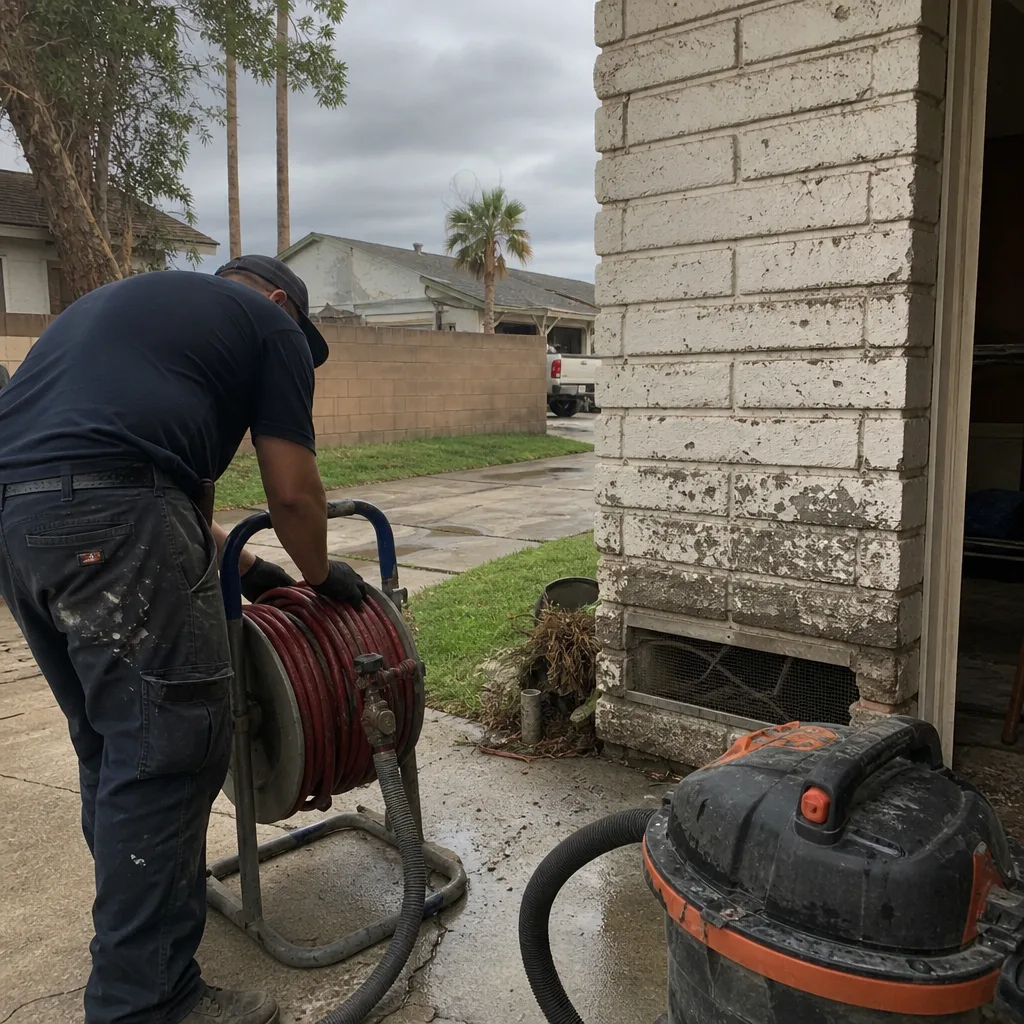 Before
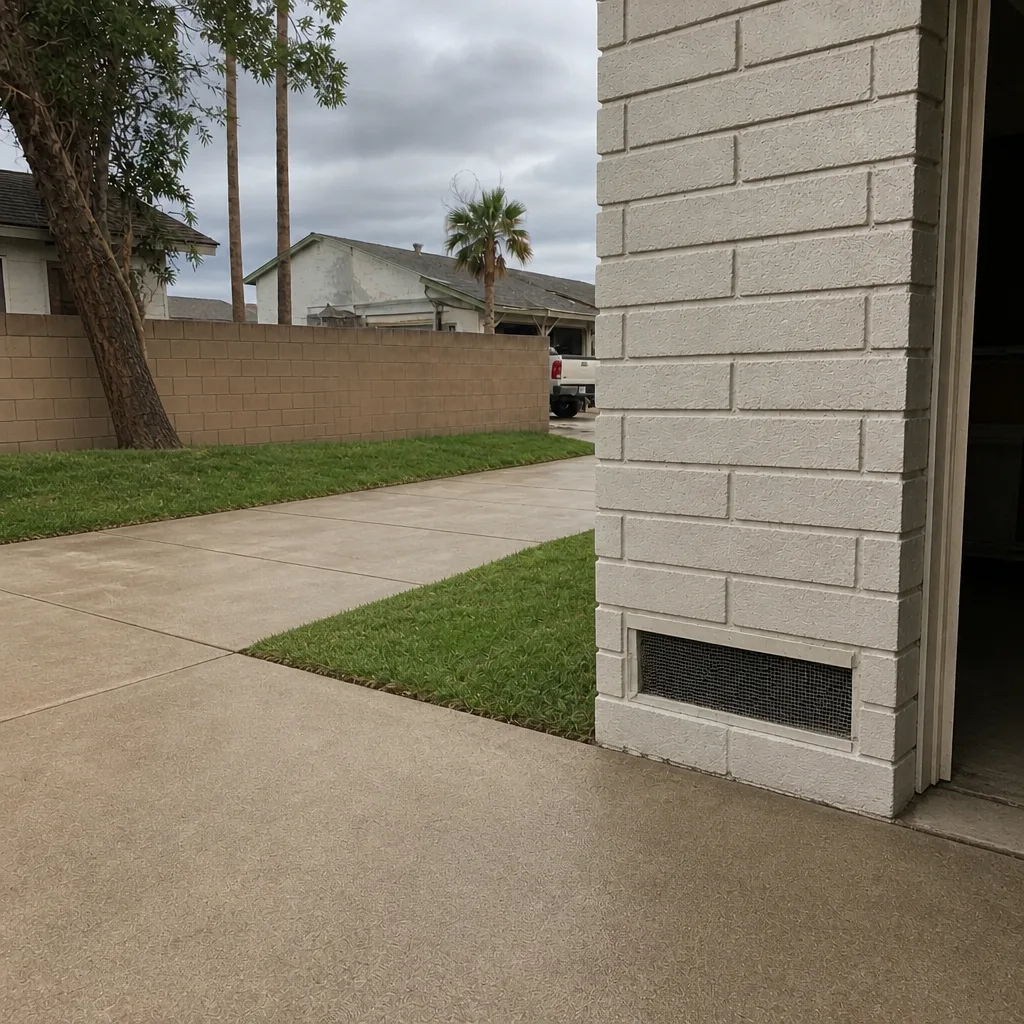 After
When to Call a Professional
Some seasonal care is judgment; some is not. Call a professional when the system smells musty or smoky on startup a week or more after an event, when airflow seems to have dropped and stays down, when the system runs noticeably longer to reach the same temperature than it did the previous year, when you can see accumulation inside the return path rather than on the grille, when the home has been through a significant renovation or a major wind or smoke event, or when it’s simply been several years of Fullerton runtime with no service. Fullerton Air Duct Cleaning Co offers free estimates in Fullerton, with one flat price agreed before work starts and before-and-after photos of your own system. Call (877) 792-5884. We answer 24/7. Fast dispatch from 7am to 7pm, Sunday through Friday.
Frequently Asked Questions
It depends on what the system has been through, not on a fixed timetable. In our experience, a Fullerton home that went through a heavy smoke or wind event needs attention sooner than the three-to-five-year interval, while a well-sealed system that’s been through a quiet year can go longer. Track the events and the runtime, and clean when the load is genuinely present. Call (877) 792-5884 for an exact quote based on your system. Estimates are free.
Winter is the best time because lower runtime means better access to the ductwork and faster turnaround. The system is idle for longer stretches, which makes a single-visit service easier to complete. It also means the cleaning happens at the natural low point of the year, before the next cooling season begins.
Yes, particularly through gaps in the return side of the system. Return plenums run under negative pressure, so any seam, loose collar, or connection gap pulls outdoor air straight in rather than filtering it first. Fine smoke particulate penetrates gaps that would stop ordinary household dust.
Cleaning removes accumulated particulate and debris; sanitizing treats the wet surfaces where biological growth establishes. Do both, cleaning first, particularly before continuous summer runtime. Sanitizing a dirty surface doesn’t accomplish much, so the order matters.
Cheap quotes usually cover less work: fewer duct runs reached, no coil or cabinet address, no repair or sealing, no sanitizing. The price per visit looks lower because the scope is smaller. Ask what’s included and what’s not, and ask whether the price is per system or per vent. Call (877) 792-5884 for an exact quote on the full scope. Estimates are free.
Ask for before-and-after photos of your own system, not stock images. A company that documents the return plenum, the coil, and the accessible duct runs can show what was there and what was removed. Call (877) 792-5884 to arrange a free estimate and to see how we document service. Estimates are free.
The Bottom Line
Fullerton’s seasonal stressors are specific: fall wind and smoke events, spring infiltration, summer continuous runtime, and a winter window that’s the best time to actually clean. The strategy that works is to match the service to the season rather than following a national interval. Clean in winter, assess filtration in spring, sanitize before summer, and inspect after every wind or smoke event. Do that consistently, with equipment and repairs that address the whole system, and the ducts stay out of the problem column instead of becoming one. What we find, we can fix, and the team you call is the team that repairs.
If you want a professional assessment of your own system’s seasonal load, call (877) 792-5884 for a free estimate from Fullerton Air Duct Cleaning Co. We answer 24/7. Fast dispatch from 7am to 7pm, Sunday through Friday. One flat price per system, agreed before work starts, with before-and-after photos of your own ducts.
Written by the team at Fullerton Air Duct Cleaning Co.